

Reflections on a Year in Gaza
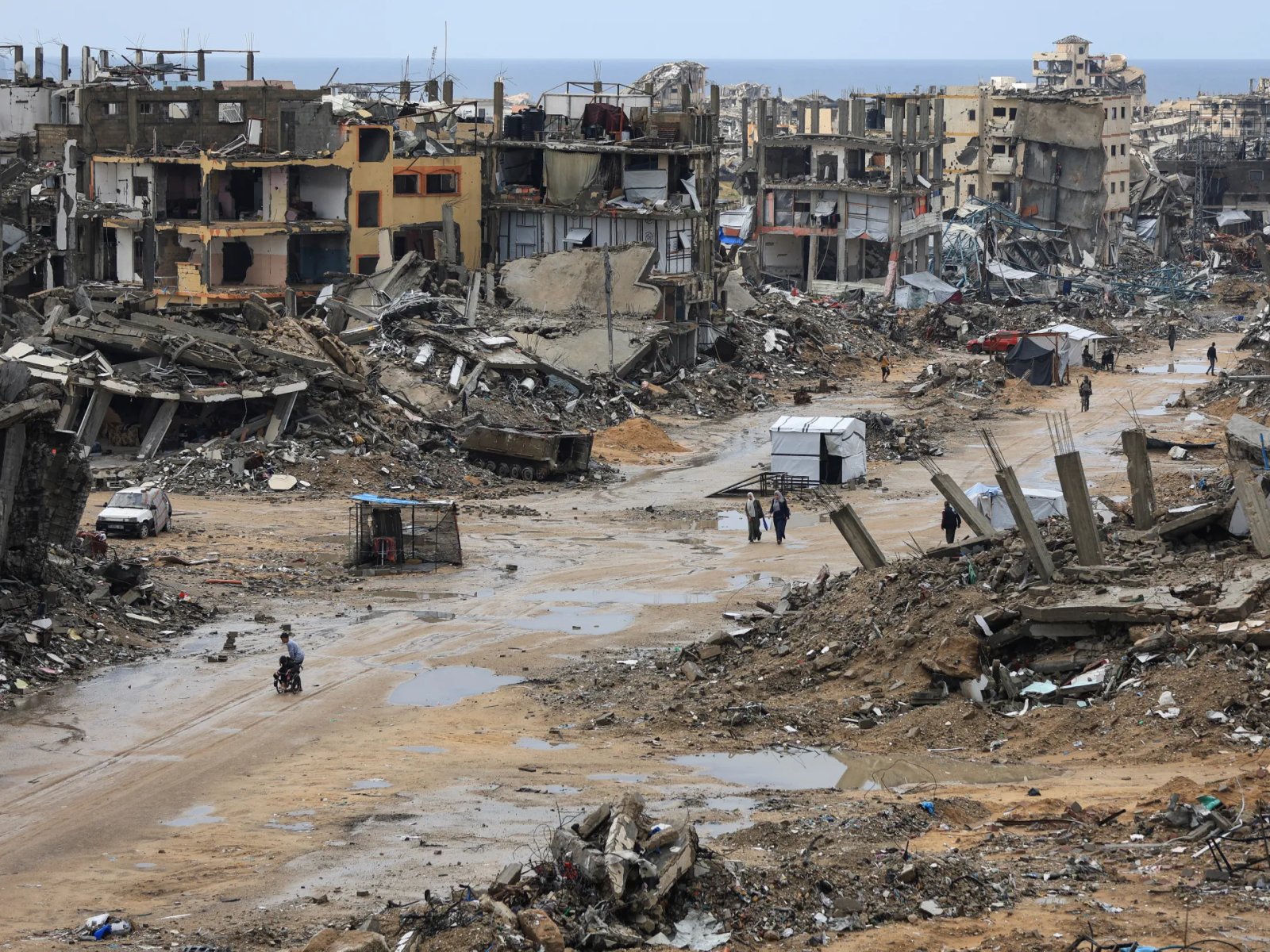
As another year comes to a close, life in Gaza continues to be ensnared by the relentless violence of war and a growing apathy from the global community. This year marks another unfortunate addition to our calendar filled with loss, destruction, and sorrow. In March, I expressed my concerns that Israel’s actions could escalate further, and to my dismay, it did. The reality we faced surpassed even my darkest fears, ushering in a level of brutality that defined our year in Gaza. With many sharing their highlights of 2025, I’m compelled to recount my own experiences.
The Year in Review
The Beginning: Ceasefire and Horror
We began the year with a fleeting 45-day ceasefire. This brief pause from airstrikes was insufficient for us to mentally digest the 15 months of constant violence leading up to it. In February, I met several Palestinian captives released during this truce, listening to harrowing accounts of their experiences of forced disappearance by the Israeli military. Among them was my former high school teacher, Antar al-Agha. When I first encountered him, I could hardly recognize him; he appeared so frail and pale that he struggled to extend his hand for a handshake.
Stories of Suffering
He recounted his time spent in what was infamously termed the “scabies room” of an Israeli detention facility—a space designed to propagate this disease. “One dawn, I was finally given a chance to wash my hands, but it should have been a moment of relief. The water touched my skin, and it began to peel away like a boiled potato. My hands bled profusely, and the pain remains vivid in my memory,” he shared.
Escalation of Violence
As March arrived, so did the resumption of violence. In a single assault, over 400 lives were lost, all while borders into Gaza remained tightly secured. By April, we began witnessing the first signs of mass starvation. In May, I, along with my family, was forcibly displaced from our home in eastern Khan Younis. By month’s end, a new and horrifying form of mass murder emerged, tauntingly branded as the “Gaza Humanitarian Foundation,” which provided food aid while mocking our suffering.
The Struggles of Survival
In June, I felt the desperation myself as I visited a GHF distribution point. There, I witnessed people crawling through scorching sand to obtain food. I observed one young man shielding himself from gunfire using another individual as cover, while others fought desperately over a mere kilogram of flour.
Loss and Displacement
In July, the Israeli military razed my home along with my neighborhood. By August, official reports confirmed that Gaza was experiencing famine, leaving us with nothing to eat—no grains left even for bread. Our meals became a meager thin layer of bread made from ground lentils or rice feed.
A Dire Situation
September brought another forced mass displacement, this time from northern Gaza to the south, displacing hundreds of thousands yet again into misery. In October, a new ceasefire agreement was announced, but by then, I felt drained of emotion, already mourning the losses of family, friends, my home, and my city. My freelance writing work dissolved as the inhumane conditions overwhelmed my ability to perform.
Enduring Hardship
My fears materialized in November when Israel resumed airstrikes, demonstrating that the genocide had merely shifted forms. The violence continued unabated, and the global community’s disregard was evident as they rewarded Israel even amid ongoing violations of ceasefire agreements. By December, winter’s harsh conditions led to tent flooding and building collapses, claiming the lives of infants from hypothermia.
A Year of Reflection
If I could erase a single memory from this year of anguish, it would be my visit to the GHF site—scenes there represented a peak of cruelty that is hard to forget. As I navigate the rain-soaked streets of my temporary camp, I often ponder what drives people to cling to life after losing everything. It’s not so much hope as a combination of despair and acceptance of fate.
The Nature of Time in Gaza
In Gaza, time feels suspended. The past, present, and future coexist. Here, time does not progress like an arrow; instead, it takes the form of a circle, where despair intertwines with endless cycles of suffering. Much like the laws of physics blur distinctions, in Gaza, tragedy doesn’t discriminate. Watching buildings collapse, I entertain thoughts of retrocausality, imagining how future actions are reshaping the past. It’s evident that the cycle of destruction continues as each rebuilt structure faces the threat of Israeli bombardment once again.
Looking Ahead with Dread
As the new year approaches, we in Gaza find ourselves fearful of what lies ahead. With neither the courage to reflect on the past nor to envision the future, we are powerless to make plans. Simple desires become thwarted by the continual blockade and violence. Whether it’s a desire to cut back on sugar or learn to swim, the reality is that our lives are dictated by forces beyond our control. All we can do is adjust to living with fewer comforts.
Conclusion
In Gaza, there are no plans for a brighter future, only longings for what we used to have. Our reality is defined by survival amid despair, as we face the ongoing challenges of our lived experiences.
Key Takeaways
- Gaza continues to suffer from relentless violence and global apathy.
- Survivors recount harrowing experiences of forced disappearance and hardship.
- The cycle of displacement and violence leads to a persistent state of despair.
- There is a deep yearning for normalcy amid a harsh reality.