

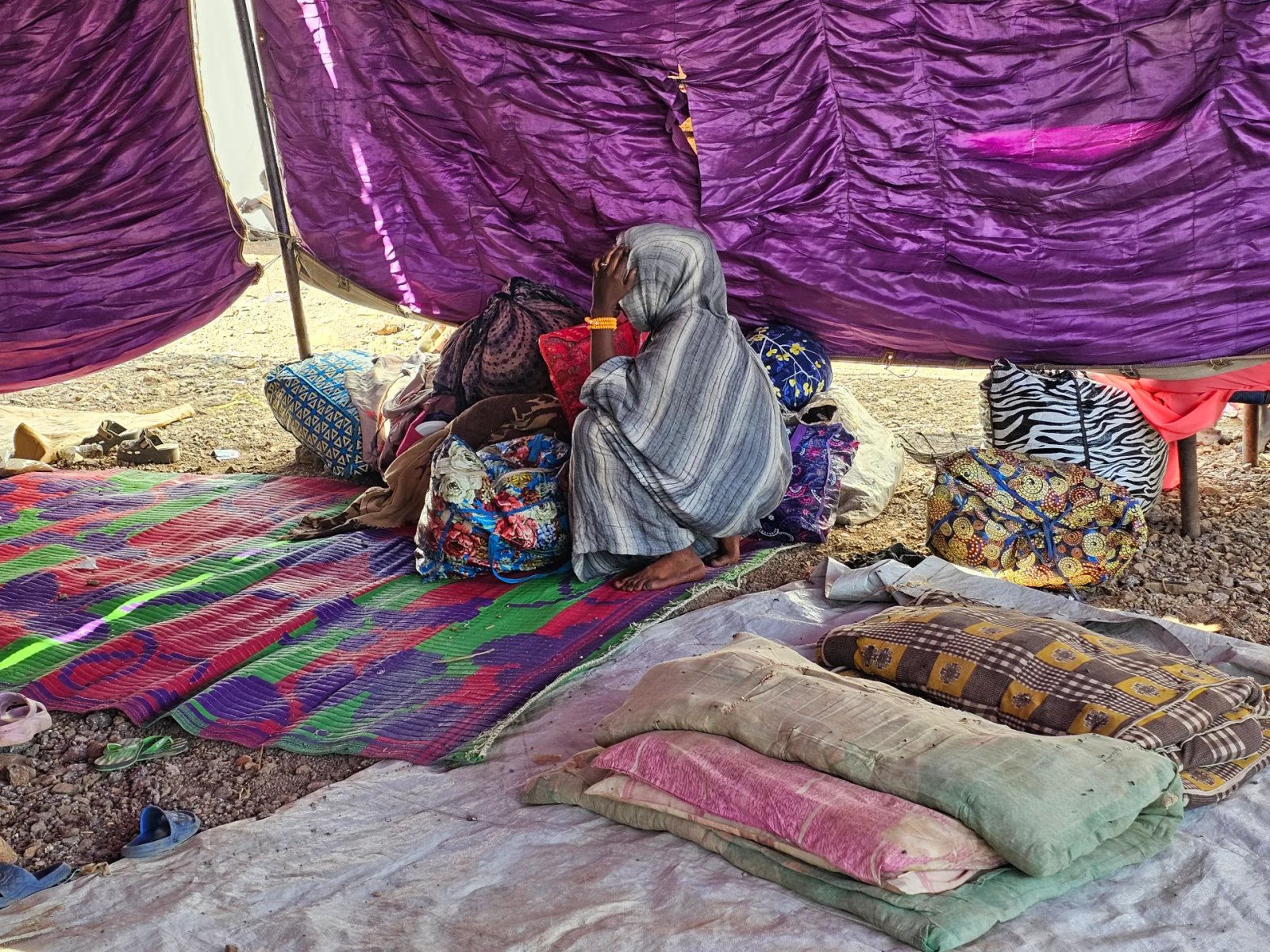
Mass Atrocities and Humanitarian Crisis in Sudan’s Kordofan Region
The ongoing war in Sudan, entering its third year, has seen a significant shift in its focus toward the central region of Kordofan. This change has escalated conflicts and created dire humanitarian conditions as international support diminishes. In December, the paramilitary Rapid Support Forces (RSF) intensified their offensive, capturing crucial oil infrastructure and besieging important cities, while the military-led Sudanese Armed Forces (SAF) ramped up aerial attacks. A stark warning from the United Nations highlighted the dire humanitarian situation, indicating that millions may face starvation in the near future. Below, we delve into the pivotal military, humanitarian, and political developments from December 2025.
Military Developments and Control
The Battle for Oil and the South Sudan Agreement
On December 8, the RSF took control of the Heglig oilfield—Sudan’s largest—located in West Kordofan. Following a fierce drone attack on the facility, a tripartite agreement involving the SAF, RSF, and South Sudan led to the deployment of South Sudanese troops to secure the field and mitigate further conflict.
Kordofan Becomes the New Epicenter
Violence significantly increased across Kordofan. The RSF asserted its dominance over Babnusa, while the SAF contested claims regarding the city’s fall. Furthermore, the RSF managed to enforce strict sieges on Kadugli and Dilling in South Kordofan, pushing towards the important North Kordofan capital of el-Obeid.
Escalation of Drone Warfare
Both factions resorted to drones with catastrophic results. A strike on the Atbara power plant in River Nile state caused blackouts in major cities, including Port Sudan. In Kalogi, South Kordofan, a drone attack targeting a preschool and hospital resulted in the deaths of at least 116 individuals, including 46 children.
Attacks on UN Peacekeepers
On December 13, a drone assault on a UN logistics base in Kadugli resulted in the deaths of six Bangladeshi peacekeepers, with eight others injured. UN Secretary-General Antonio Guterres condemned the assault, labeling it a potential war crime.
El-Fasher Declared a “Crime Scene”
A UN team gained access to el-Fasher for the first time since its fall in October, characterizing the largely abandoned city as a “crime scene.” A report from the Yale Humanitarian Research Lab identified a systematic effort by the RSF to incinerate bodies and obliterate evidence of mass killings.
Military Plane Crash
An Ilyushin Il-76 military transport plane tragically crashed at Osman Digna airbase in Port Sudan, attributed to a technical malfunction, resulting in the death of all crew members.
Humanitarian Crisis Escalates
Collapse of Aid Funding
The UN announced a drastic reduction in its 2026 appeal to $23 billion due to dwindling donor engagement. In light of this, the World Food Programme (WFP) warned of a potential 70 percent cut in food rations starting in January, adversely impacting communities already on the brink of famine.
Sudan Tops Emergency List
The International Rescue Committee (IRC) has listed Sudan as the most critical emergency for 2026, highlighting the intersection of conflict, economic downturn, and diminishing international support.
Incidents of Sexual Violence
A report from the Strategic Initiative for Women in the Horn of Africa (SIHA) revealed nearly 1,300 instances of sexual violence, with 87 percent attributable to the RSF. The report elaborated on the use of rape as a tactical weapon of war, especially against non-Arab communities.
Health Crisis Worsens
Malnutrition has reached alarming levels, with UNICEF reporting that 53 percent of children screened in North Darfur are acutely malnourished. In Khartoum, a survey indicated that a staggering 97 percent of households are experiencing food shortages, prompting authorities to exhume makeshift graves for reburial in official cemeteries.
EU Air Bridge Initiative
The European Union initiated an “air bridge” operation to facilitate the delivery of essential supplies to Darfur, emphasizing the region’s classification as one of the most challenging global areas to access.
Political Developments and Diplomatic Efforts
Stalemate at the UN
Sudanese Prime Minister Kamil Idris proposed a peace plan at the UN Security Council, aiming for the withdrawal and disarmament of the RSF. However, the RSF rebuffed the proposition, calling it unrealistic.
Al-Burhan’s Firm Stance
From Turkiye, SAF chief Abdel Fattah al-Burhan dismissed the possibility of negotiations, asserting that the war would only conclude with the RSF’s capitulation and disarmament.
Civilian “Third Pole” Emerges
In Nairobi, civilian leaders, including former Prime Minister Abdalla Hamdok and rebel chief Abdelwahid al-Nur, united to establish a new anti-war coalition, seeking to reclaim political influence from the ongoing military factions.
US Diplomatic Pressure and Sanctions
US Secretary of State Marco Rubio ramped up diplomatic initiatives, stating that President Donald Trump is personally engaged. The US Treasury imposed sanctions on four Colombian individuals and entities involved in recruiting mercenaries for the RSF.
Historic ICC Conviction
In a landmark ruling, the International Criminal Court sentenced former Popular Defence Forces (Janjaweed) leader Ali Kushayb to 20 years in prison for committing war crimes in Darfur (2003-2004), marking a significant moment for justice in the region.
Conclusion
The situation in Sudan, particularly in Kordofan, remains precarious. With military escalations, a deepening humanitarian crisis, and complex political dynamics at play, the prospects for peace and stability appear distant. The global community must remain vigilant and responsive to the unfolding developments in this conflict-stricken nation.
- Ongoing violence in Kordofan threatens to deepen the humanitarian crisis.
- Major funding cuts limit humanitarian aid, risking widespread famine.
- Internally displaced persons face increasing violence and health emergencies.
- International diplomatic efforts are crucial in addressing the conflict.