

Ongoing Israeli Strikes Amid Ceasefire Violations and Heavy Rains in Gaza
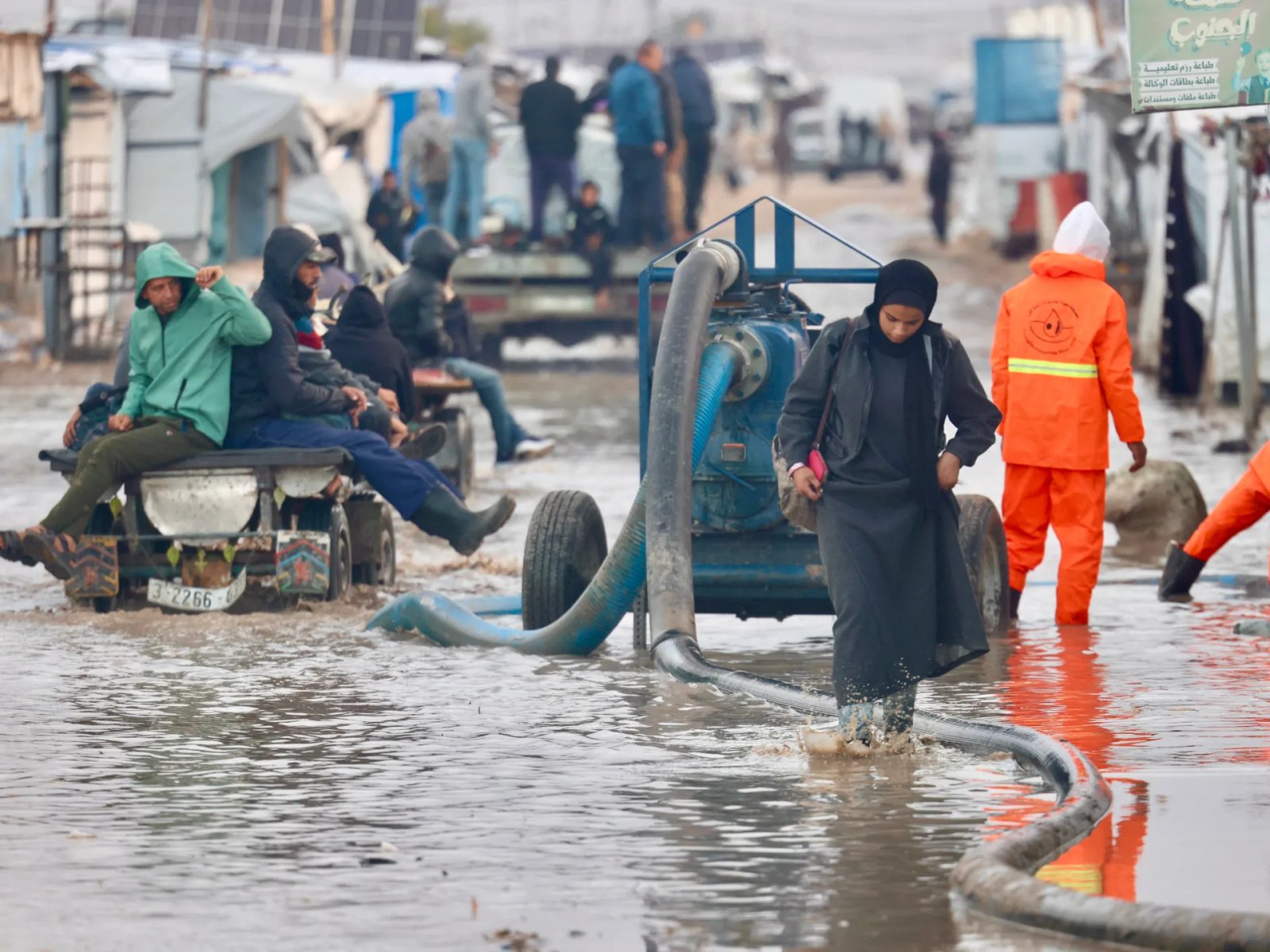
The situation in Gaza remains dire as Israeli attacks continue to breach a ceasefire agreement. Heavy winter rains have exacerbated the already precarious conditions for displaced Palestinians, compounding their suffering. As airstrikes and artillery shelling persist, many families are left grappling with the destruction of their remaining belongings.
Recent Strikes Across the Gaza Strip
Israeli forces have escalated their strikes throughout the Gaza Strip, demonstrating a blatant disregard for the ceasefire established in October. Reports indicate that locations in the northern regions, including Rafah and Khan Younis, were targeted, alongside the Maghazi camp in central Gaza and Beit Lahiya.
Increasing Violations
According to reports from Gaza City, artillery shelling has been widespread in the southern and central areas of the territory, with attacks also reported in Gaza City’s Shujayea neighborhood, perilously close to shelters for displaced families. These recent assaults have brought the total number of ceasefire violations to nearly 1,000, heightening the challenges faced by hundreds of thousands of displaced individuals.
Impact on Civilians
The Gaza Government Media Office revealed that since the ceasefire’s implementation, there have been 969 reported violations by Israel, resulting in 418 civilian deaths and over 1,100 injuries. The emotional toll on Palestinians is substantial, with many experiencing severe trauma and anxiety amidst these ongoing attacks. “The situation on the ground continues to deteriorate as the rain continues,” remarked journalist Hind Khoudary.
Urgent Calls for Aid
Humanitarian organizations have been vocal about the need for the Israeli authorities to lift restrictions on the entry of essential supplies. Displaced families are struggling to find shelter, often resorting to flimsy tents that provide minimal protection from the relentless winter weather.
Dangers of Contamination
As the rain continues, officials warn of potential health crises, including the risk of disease due to overwhelmed sewage systems contaminating floodwaters. Recently, at least two individuals have lost their lives due to collapsing structures amid severe weather conditions.
Personal Stories of Suffering
In a displacement camp east of Deir el-Balah, relentless rains have left tents submerged, destroying what little possessions families managed to salvage. Inside these tents, reports revealed that vital items like pillows and mattresses have been soaked in muddy water.
One resident, Mohammed al-Louh, shared his despair: “The tent has been flooded. I took my family out, but I couldn’t even get a blanket, a mattress or a bag of flour.” Another man, Haitham Arafat, lamented the loss of his children and his home, expressing grief amid terrible conditions. “Does this mean the war is over? No, we are still suffering,” he said.
A New Chapter of Despair
Reporting from the camp, journalist Ibrahim al-Khalili described the winter storms as ushering in a new “chapter of suffering” for Palestinians, compounding the humanitarian crisis wrought by ongoing conflict. What was initially intended as temporary shelter has tragically turned into a flooded trap for many families.
Conclusion
The ongoing violence and severe weather conditions underline the desperate situation faced by Palestinians in Gaza. The urgent need for humanitarian aid has never been greater as families attempt to navigate through the turmoil of war and nature’s fury.
- Israeli airstrikes continue to violate the ceasefire agreement.
- Displaced families in Gaza are suffering from destructive flooding due to heavy rains.
- Urgent calls for humanitarian aid have been largely ignored by authorities.
- The psychological impact on the population is profound, with many still traumatized by the ongoing conflict.