

New Alliance Formed by Nepal’s Political Leaders Ahead of Upcoming Elections
In a significant turn of events in Nepal’s political landscape, two prominent leaders have come together to forge a new alliance as the country gears up for elections next year. This partnership follows a wave of youth-driven protests earlier in the year that led to the ousting of the previous government.
The Leaders and Their Vision
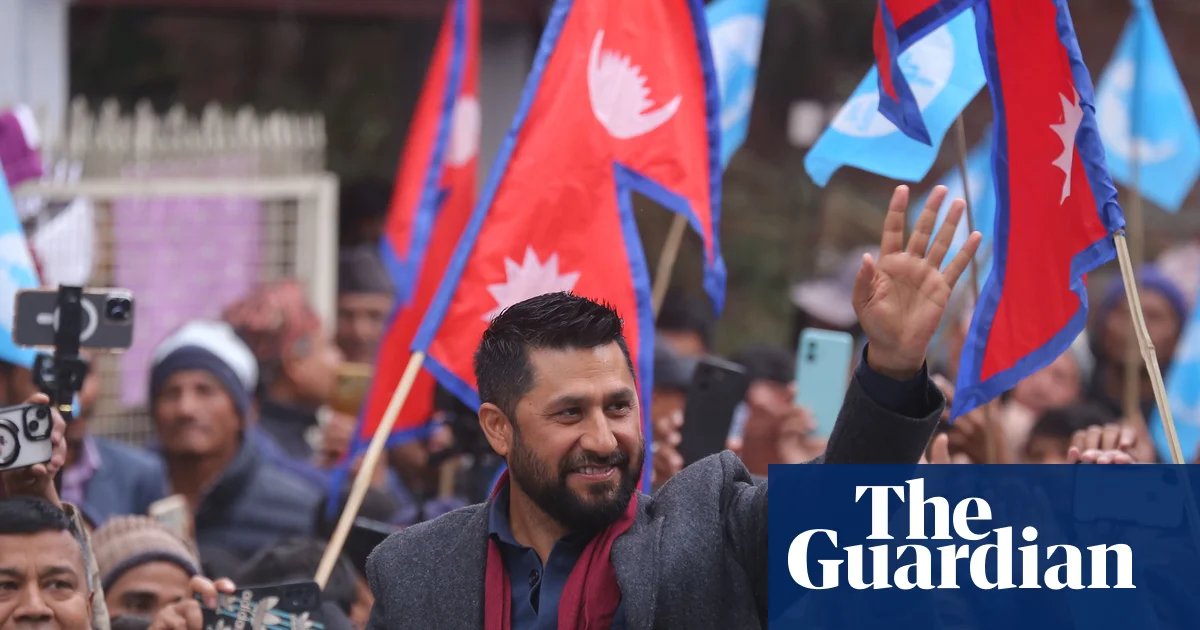
Rabi Lamichhane, a well-known television personality and chairman of the Rastriya Swatantra Party (RSP), has joined forces with Balendra Shah, a 35-year-old rapper also known as Balen, who currently serves as the mayor of Kathmandu. Together, they aim to address the pressing demands of the younger generation in light of the recent anti-corruption protests that turned deadly.
The protests that erupted on September 8-9 resulted in the tragic loss of at least 77 lives, driven by a surge of anger over a temporary government ban on social media. This unrest was compounded by longstanding public dissatisfaction stemming from economic stagnation and pervasive allegations of political corruption.
Details of the Alliance
As part of their agreement, Lamichhane will continue as the chairperson of the RSP, while Shah has been positioned as their prime ministerial candidate for the upcoming election scheduled for March 5. In a statement after formalizing their alliance, Lamichhane emphasized, “Consensus should not solely reflect the wishes of leaders, but rather what is essential for the country’s wellbeing.”
Lamichhane, recently released on bail related to cooperative fraud and organized crime, has quickly become a prominent figure in Nepal’s political scene. He founded the RSP in 2022, leveraging widespread frustration with the traditional political elite, and previously held positions as deputy premier and interior minister.
An Evolving Political Landscape
Balen Shah has emerged as a beloved character during this phase of political transformation, contributing to the formation of the interim government led by Sushila Karki following the removal of former Prime Minister KP Sharma Oli.
In a recent development, Karki convened discussions with key political figures, including Oli himself, Sher Bahadur Deuba, president of the Nepali Congress, and Pushpa Kamal Dahal, coordinator of the Nepali Communist Party. These meetings marked the first collaborative effort of its kind since the protests unfolded.
After the consultations, Karki took to social media to assert that the upcoming elections represent a collective responsibility among all political players. She assured the public of the government’s commitment to creating a free and safe environment for all stakeholders involved.
Conclusion
The alliance between Lamichhane and Shah signals a response to the aspirations of Nepal’s youth and suggests a pivotal shift in the nation’s political dynamics. With the upcoming elections on the horizon, all eyes will be on how these leaders navigate the challenges ahead.
- Rabi Lamichhane and Balendra Shah have formed a new political alliance in Nepal.
- Their partnership aims to address issues raised by recent youth-led protests.
- Lamichhane remains the chairperson of the Rastriya Swatantra Party, while Shah will run for prime minister.
- Discussions among top political figures are taking place as Nepal prepares for elections in March 2024.