

Guinea’s Presidential Election: Doumbouya’s Expected Victory Amid Controversy
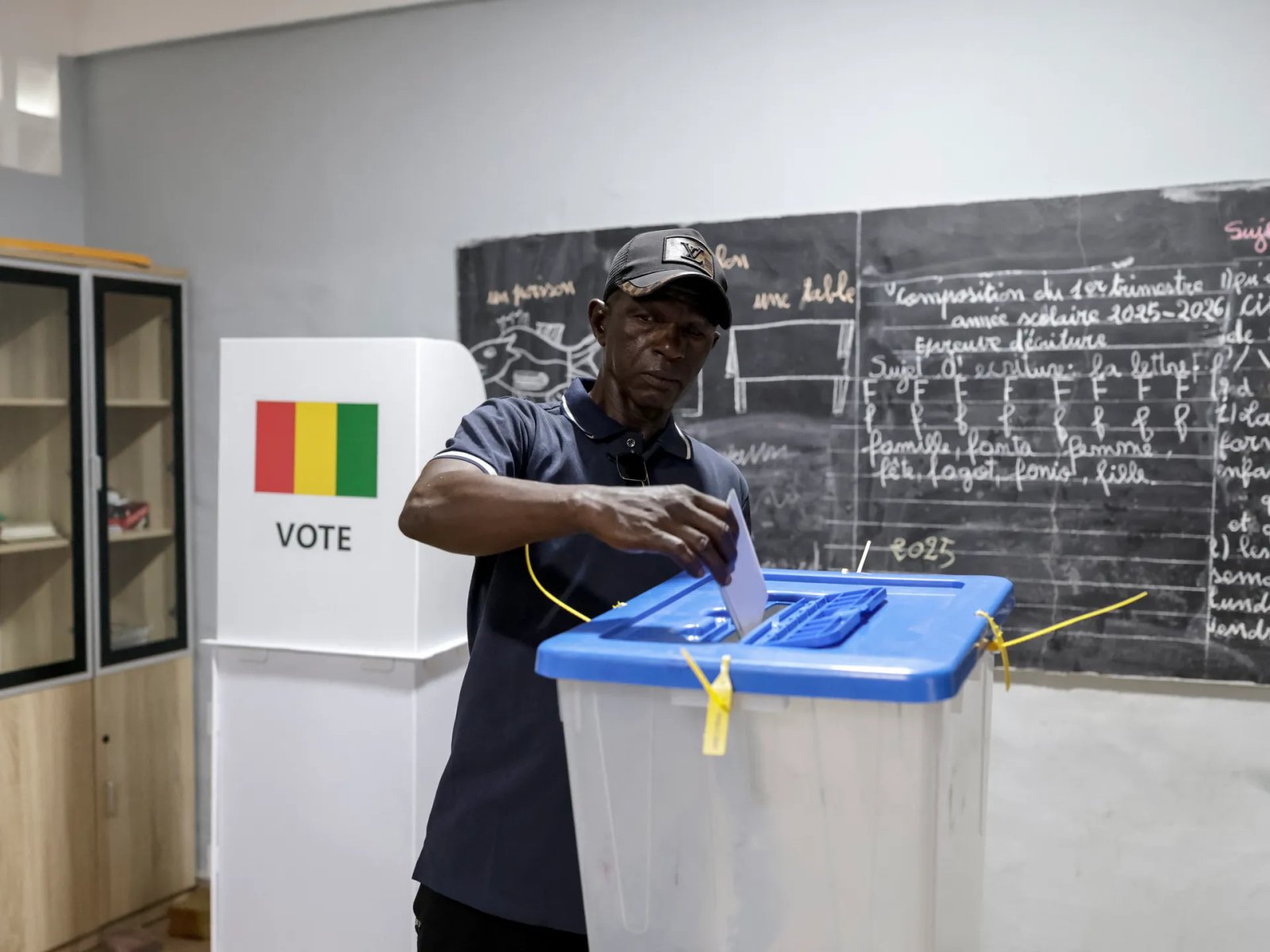
As Guinea embarks on its presidential elections, incumbent military leader General Mamady Doumbouya is poised for a likely victory, despite facing criticism over media restrictions and opposition limitations. The polls opened at 07:00 GMT on Sunday and are set to conclude at 18:00 GMT, with about 6.7 million registered voters participating.
The Context of the Election
Doumbouya, aged 41 and a former special forces commander, is contending against eight other candidates. Notably absent from the election are the former President Alpha Conde and prominent opposition figure Cellou Dalein Diallo, both of whom are currently in exile. In a country where over half of the population struggles with poverty, the opposition has called for a boycott, questioning the legitimacy of the electoral process.
A Fragile Democratic Landscape
Guinea transitioned towards democracy with Alpha Conde’s election in November 2010, marking a significant moment as it was the first time the country had a freely elected president. However, Doumbouya’s coup in September 2021 has been viewed as a regression to authoritarian rule.
According to Gilles Yabi, founder of the West African think tank Wathi, Guinea has reverted to the familiar landscape of authoritarian governance that has characterized its history since gaining independence in 1958. Provisional election results are expected to emerge within two days, as stated by Djenabou Toure, the head of the General Directorate of Elections.
Restrictions on Opposition
Under Doumbouya’s rule, political discourse has been stifled. Civil society organizations accuse the government of enforcing bans on protests, limiting press freedoms, and restricting opposition operations. The campaign period has reportedly been rife with intimidation tactics against opposition figures, politically motivated disappearances, and limitations on media freedoms. UN rights chief Volker Turk highlighted that these factors could jeopardize the credibility of the election.
Opposition leader Diallo criticized the election as “an electoral charade” aiming to legitimize what he views as a power grab.
Constitutional Changes and Future Prospects
In September, Guinea approved a new constitution via referendum, a vote the opposition urged citizens to avoid. This constitution permits military leaders to vie for electoral positions, paving the way for Doumbouya’s candidacy. Additionally, it extended presidential terms from five to seven years, renewable once.
The Economic Landscape
Guinea boasts the world’s largest bauxite reserves and a significant untapped iron ore deposit at Simandou, which finally launched last month after years of inactivity. Doumbouya has credited his administration for advancing this project and securing adequate benefits for Guinea. Moreover, Doumbouya’s government revoked the license of a subsidiary involved in a refinery dispute, transferring assets to a state-owned entity, marking a notable trend toward resource nationalism.
Public Sentiment
Doumbouya’s approach has resonated with many, particularly the youth in a nation where the median age is around 19. “For us young people, Doumbouya represents the chance to usher the old political class out,” shared Mohamed Kaba, a mechanic from Conakry. “While there’s a lot of corruption, I hope things will improve.”
Conclusion
As Guinea navigates this complex electoral landscape, the scrutiny surrounding Doumbouya’s leadership continues to grow. The emerging results will not only impact the nation’s governance but also reflect the people’s sentiments towards democracy and progress.
Key Takeaways
- General Mamady Doumbouya is expected to win Guinea’s presidential election amid significant criticism.
- The opposition is boycotting the election citing restrictions on political freedom and media.
- A new constitution allows military leaders to participate in elections, affecting Doumbouya’s candidacy.
- The youth view Doumbouya’s leadership as a potential shift away from historical political corruption.