

Somalia Rejects Israel’s Recognition of Somaliland
Somalia has issued a strong demand for Israel to revoke its recent recognition of the separatist region of Somaliland, labeling the act as an “aggression that will never be accepted.” Ali Omar, Somalia’s state minister for foreign affairs, expressed the government’s intent to use all diplomatic avenues to challenge what it sees as interference in Somalia’s internal matters.
A Controversial Recognition
The condemnation from Somalia came just a day after Israel became the first country to formally recognize Somaliland. This landmark decision has drawn swift criticism from various African and Arab nations and raised concerns that it may be part of an alleged Israeli plan that could potentially displace Palestinians. Somaliland, which declared independence from Somalia in 1991 following a devastating civil war, has not yet received official recognition from any member of the United Nations. The self-declared republic has established its own currency, flag, and parliament, although parts of its territory remain contested.
Defending Territorial Integrity
“This will never be acceptable or tolerable to our government and people who are united in defending our territorial integrity,” Omar stated. He urged Israel to revoke its divisive actions and adhere to international law.
Somaliland’s President Abdirahman Mohamed Abdullahi, known as Cirro, had hinted for weeks that recognition from a foreign state was imminent, although he did not specify which nation. Billboards in the capital, Hargeisa, had recently informed residents that recognition was on the way.
The Geopolitical Landscape
Omar pointed out the Horn of Africa’s strategic significance, noting that it continues to be vital for international trade. “The importance of this region isn’t new. It is still important for international trade today,” he remarked.
Moreover, Omar accused Israel of pursuing recognition for Somaliland as a means to further the dislocation of Palestinians from Gaza, stating, “One of the motivating factors is the displacement of Palestinians from Gaza. It has been widely known – Israel’s goal on that issue.”
Support from Palestine
Palestine’s foreign ministry supported Somalia’s stance, recalling that Israel had previously indicated Somaliland as a potential destination for the forced relocation of Palestinians from Gaza, which they termed a “red line.”
Contrasting Views on Recognition
In a defense of Israel’s actions, President Cirro insisted that the move was “not directed against any state, nor does it pose a threat to regional peace.” Shortly after Israeli Prime Minister Benjamin Netanyahu revealed the recognition, Somalia’s prime minister’s office labeled it as a deliberate attack on its sovereignty. They stressed that Somaliland remains an integral and “inseparable” portion of Somali territory.
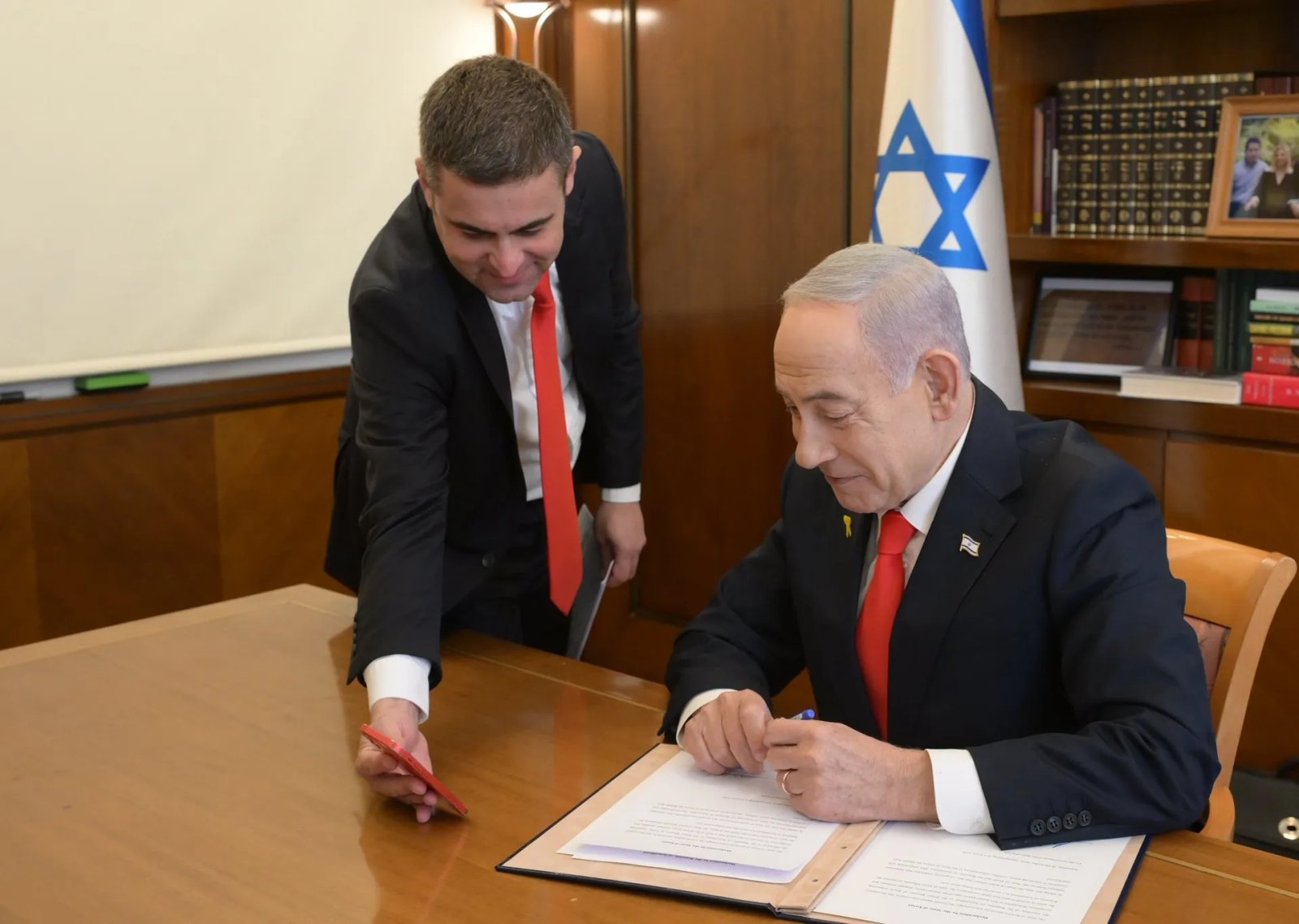
Netanyahu described the recognition as a part of the Abraham Accords and mentioned he would advocate for Somaliland during his meeting with U.S. President Donald Trump. He also extended an invitation to Cirro to visit Israel, an invitation that the president accepted. However, Trump later distanced himself from Netanyahu’s actions, stating he would not mirror Israel’s recognition.
U.S. Reaction and Financial Concerns
Somalia’s Public Works Minister Ayub Ismail Yusuf expressed gratitude toward Trump’s position, thanking him for his support. This marked a shift in tone from Trump’s earlier comments in August, during which he indicated that the administration was addressing the Somaliland issue. Recently, the U.S. has voiced frustration with Somalia, highlighting the government’s failure to enhance security despite substantial aid.
Regional and International Responses
The African Union’s chairperson, Mahamoud Ali Youssouf, has dismissed any attempts to recognize Somaliland as an independent state, warning that doing so could create a precedent with wide-reaching implications. The organization cited a fundamental principle established in 1964 regarding the inviolability of borders inherited upon independence.
Arab League Secretary-General Ahmed Aboul Gheit also condemned the Israeli move, calling it a provocative breach of the sovereignty of an Arab and African nation. He described the recognition as a blatant violation of international law.
Public Reaction in Somaliland
Despite international outcry, thousands took to the streets of Hargeisa to celebrate what many perceived as the end of 30 years of diplomatic isolation. The Israeli flag was displayed prominently at the national museum as locals welcomed the newfound recognition.
A Historic Context
Somalia has a long history of tense relations with Israel, primarily due to Israel’s connections with Ethiopia, a regional rival. During the Cold War, Israel provided military aid to Ethiopia, while Somalia aligned itself with Arab nations that opposed Israel. This rivalry culminated in the 1977 Ogaden War, which significantly fueled years of civil unrest within Somalia.
Somaliland’s declaration of independence in 1991 followed serious persecution under the former leader, Mohammed Siad Barre, yet Somalia has never recognized this breakaway region. Earlier this month, Israeli Deputy Foreign Minister Sharren Haskel indicated there had been discussions with Somalia’s government concerning shared concerns over Houthi influence in the area. However, Ali Omar refuted any ties with Israel, reaffirming Somalia’s steadfast position against Israeli policies.
Conclusion
The situation surrounding Somaliland’s recognition by Israel continues to generate significant tension and debate. As diplomatic strategies unfold, Somalia remains resolute in defending its sovereignty and territorial integrity, while the implications of this recognition are felt across the region.
- Somalia demands Israel withdraw its recognition of Somaliland, viewing it as an act of aggression.
- Somaliland has never received international recognition, despite declaring independence in 1991.
- Diplomatic tensions highlight the strategic significance of the Horn of Africa.
- Reactions range from support for Somaliland to condemnation from various international entities.