

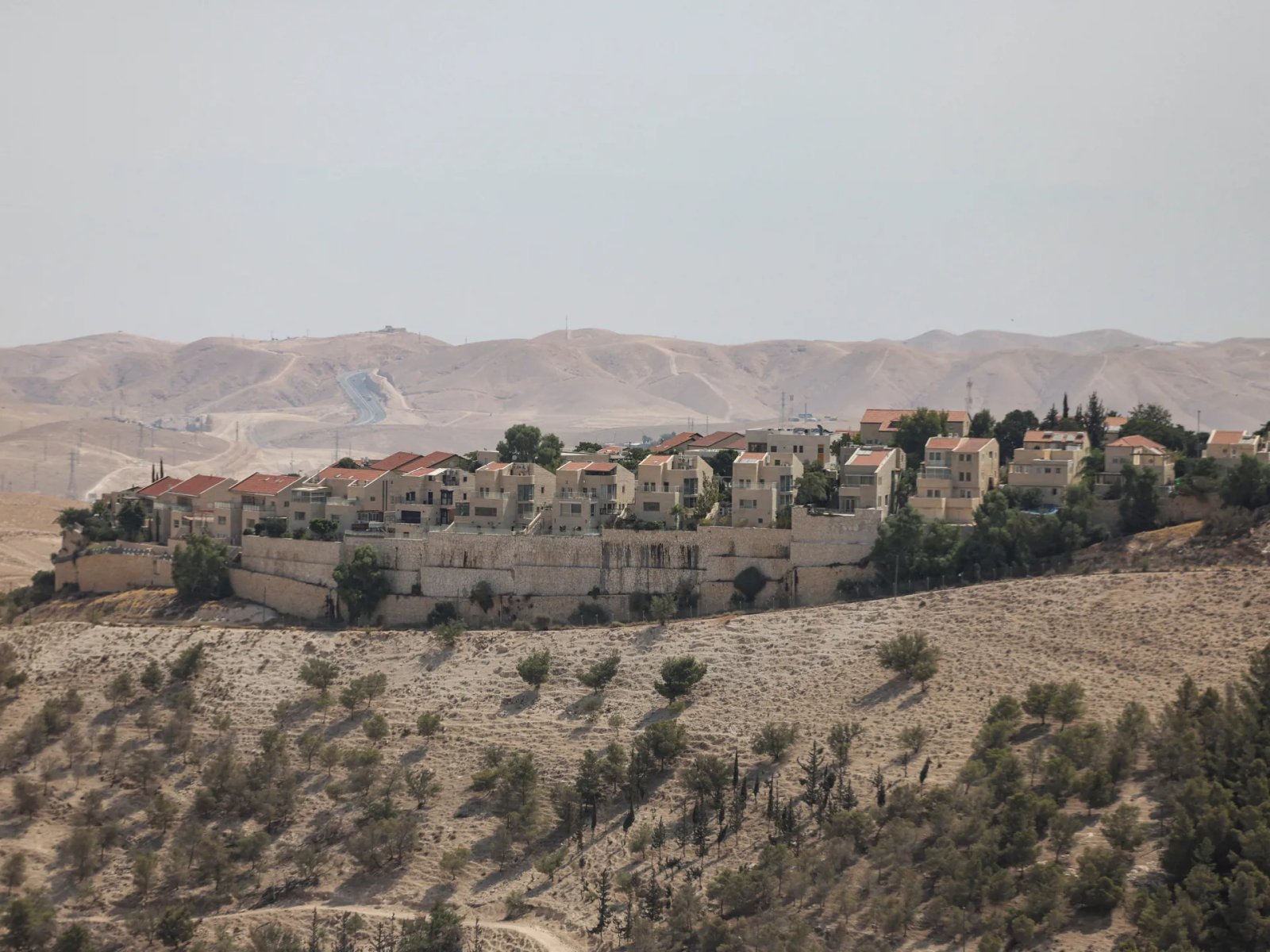
International Condemnation of Israel’s West Bank Settlement Expansion
Recently, a coalition of fourteen countries, including the United Kingdom, Canada, Denmark, and France, has voiced strong opposition to Israel’s recent approval of 19 new settlements in the occupied West Bank. They argue that this decision is illegal, threatens the fragile ceasefire in Gaza, and poses risks to long-term peace and security in the region.
Joint Statement from the Countries
The joint statement issued by these nations asserts that Israel’s actions are in direct violation of international law. The nations emphasize, “We, States of Belgium, Canada, Denmark, France, Germany, Italy, Iceland, Ireland, Japan, Malta, the Netherlands, Norway, Spain, and the United Kingdom condemn the approval by the Israeli security cabinet of 19 new settlements in the occupied West Bank.” They further clarify their stance on settlement expansion, stating, “We recall our clear opposition to any form of annexation and to the expansion of settlement policies.”
These countries call on Israel to retract this decision along with any extensions of settlements, reaffirming their steadfast support for the Palestinian right to self-determination and a comprehensive, just, and lasting peace based on the Two-State solution.
Israel’s Response to Settlement Expansion
On Sunday, Bezalel Smotrich, Israel’s far-right-wing Finance Minister, announced the approval of the new settlements, explicitly stating that this move aims to prevent the formation of a future Palestinian state. “We are stopping the establishment of a Palestinian terrorist state on the ground,” Smotrich declared. He also mentioned that since taking office at the end of 2022, the Israeli government has approved or retroactively legalized 69 new settlements.
The Impact of Settlement Expansion
The United Nations has reported that the expansion of Israeli settlements in occupied Palestinian territories has surged to its highest level since at least 2017, confirming that these expansions are illegal under international law. The UN views these settlements as significant obstacles to establishing peace between Israelis and Palestinians, as they disrupt the continuity of land available for a potential independent Palestinian state.
Nour Odeh, a correspondent for Al Jazeera, highlighted that the Israeli government’s decision is altering the on-ground reality for Palestinians. Many of the newly formalized settlement outposts are located in the northeastern part of the West Bank, an area previously characterized by minimal settlement activity. Odeh noted, “While these government decisions may seem bureaucratic, they are in fact strategic in nature,” supporting ideological settlers and intensifying their presence and aggression against Palestinians.
Conclusion
The ongoing expansion of Israeli settlements in the West Bank remains a contentious issue, drawing condemnation from numerous countries that advocate for a resolution based on mutual recognition and peace. The situation continues to evolve, with international attention focused on the implications of these developments for both Palestinians and the broader regional stability.
Key Takeaways
- Fourteen nations have united in condemning Israel’s new West Bank settlements as illegal.
- Israel’s government claims the settlements are necessary to prevent a Palestinian state.
- The UN reports unprecedented growth in Israeli settlements, hindering peace efforts.
- The situation underscores a broader conflict over land and national identity in the region.