

China’s Military Movements: Implications for Taiwan’s Future
The international community is closely monitoring the unfolding scenario of Taiwan’s potential reunification under Beijing’s vision of the “Chinese dream.” With the American leadership appearing less decisive in the event of a conflict, many are speculating about the future dynamics across the Taiwan Strait. This article dives into the latest developments surrounding the People’s Liberation Army (PLA) activities and their significance in the broader political landscape.
PLA Activities as a Key Indicator
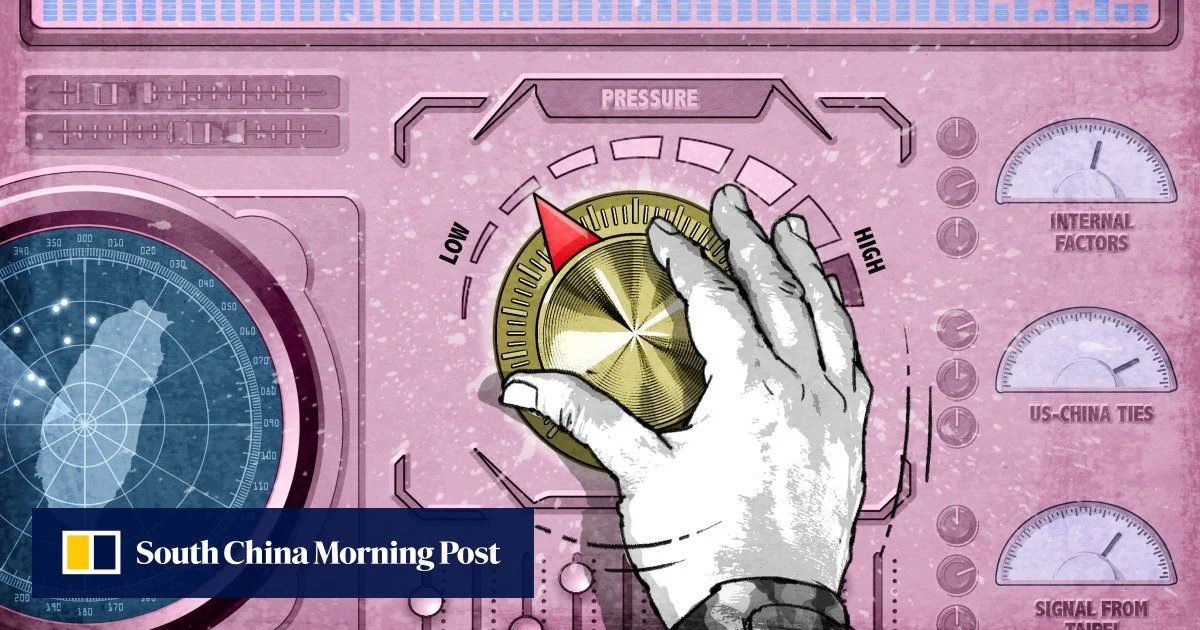
In recent years, increased People’s Liberation Army operations near Taiwan have emerged as a crucial gauge for assessing the likelihood of military conflict involving China and its significant global rival, the United States. Observers have noted that these military exercises have expanded in scale and have drawn closer to Taiwan itself.
The drills have evolved to be labeled by the PLA as increasingly “combat-oriented,” mimicking scenarios one might expect during a real blockade or war. This escalation has raised alarm among defense experts and political analysts alike.
Rehearsals for Potential Conflict
Admiral Samuel Paparo, the commander of the US Indo-Pacific Command, has characterized these maneuvers as “rehearsals” for possible armed assaults on Taiwan. The implications of such assertions have led Taiwanese security analysts to voice grave concerns about a potential transition from mere training exercises to actual combat readiness, suggesting that one of these drills could swiftly escalate into an unexpected attack on the island.
Increasing Military Pressure from Beijing
In a show of strength, mainland China has escalated its military presence around Taiwan, deploying an increasing number of aircraft, naval vessels, and coast guard ships on regular operations throughout the Taiwan Strait. This governmental strategy appears aimed at deterring pro-independence sentiment among Taiwanese politicians.
Notably, analysts believe that the surge in military activity aligns with Beijing’s reaction to the election of William Lai Ching-te as Taiwan’s leader last year, reflecting a more aggressive stance towards the island’s political landscape.
Conclusion
The evolving scenario around Taiwan is not only a point of concern for regional stability but also poses questions regarding global military dynamics. Continued PLA activity and the prospect of a shifting military posture underline the urgent need for dialogue and diplomatic resolution in the Taiwan Strait.
- Increased PLA operations around Taiwan are a growing concern for international stability.
- Exercises designated as “combat-oriented” may signal preparations for actual conflict.
- The US is observing these developments with caution, marking heightened tensions in the region.
- China’s military maneuvers reflect its strategic response to Taiwan’s political landscape.