

The Impact of Conflict on Lebanon’s Hajr al-Raheb Forest
The border region between Israel and Lebanon encompasses diverse landscapes of military installations, farmland, villages, and serene woodland, notably the Harj al-Raheb, also known as the Monk Forest. Located on the southern edge of Ayta ash-Shaab—a Lebanese village adjacent to the Israeli border—this forest spans approximately 40 acres. It consists of two connected wooded areas called the Southern and Western Hima, which historically benefited from protection due to their ecological and cultural significance.
A Glimpse into the Forest’s Richness
As of early October 2023, Harj al-Raheb’s slopes remained adorned with thriving oak, carob, terebinth, and bay trees. Locals traditionally utilized the small black seeds of the terebinth to bake local bread, while the bay leaves were pressed for oil, creating quality traditional soap. Low shrubs and wildflowers flourished, sustaining a burgeoning beekeeping industry that took off after 2019 as families turned to this trade following Lebanon’s financial turmoil.
The Destructive Consequences of Conflict
However, the stability of the local ecosystem has been severely compromised by Israel’s military operations in Lebanon. Persistent assaults throughout the border region led to a ceasefire in November 2024, but hostilities have resumed intermittently since then, with Israeli forces continuing to occupy parts of the border area.
Beyond the tragic loss of over 4,000 Lebanese lives during these assaults, Harj al-Raheb—once a vibrant ecosystem—now stands diminished. The landscape suffered immensely during the conflict, as aerial attacks and shelling left charred orchards and extensive areas cleared of trees. Additionally, the populations of essential pollinators, such as the Palestine sunbird, have plummeted.
According to local official Ali Dakdouq, his family has lost most of their 218 beehives due to the violence, forcing them to leave the area. For the surrounding villages, Harj al-Raheb was more than just a beautiful backdrop; it served as a critical source of livelihood and biodiversity, much of which has now vanished.
The Scale of Environmental Devastation
The broader Harj al-Raheb area today lies eerily quiet, with scars left by white phosphorus weapons that were used during the assaults. Satellite images depict a landscape once lush with greenery now marred by white craters and significant bulldozing activity.
Ayta ash-Shaab, once home to around 17,000 residents, was established atop ancient fortifications. The village relied on centuries-old water cisterns and terraces carved into limestone by farmers. This historical continuity was violently upended when conflict erupted, obliterating generations of cultivated land.
Destruction unfolded in waves: initial artillery fire and phosphorus shells ignited the trees, followed by airstrikes flattening woodland and scorched orchards. The devastation reached its peak after the November 2024 ceasefire when Israeli troops utilized bulldozers to clear remaining trees, effectively creating a so-called buffer zone believed to enhance security at the expense of what remained of the local ecosystem.
The Forest’s Role in Local Identity
For locals like Hani Kassem, Harj al-Raheb was never just a scenic area; it represented a crucial ecosystem that sustained their community. The dense trees prevented soil erosion and facilitated seasonal flood management, helping maintain underground water sources amidst a region increasingly threatened by drought. Today, that hill stands barren.
Once teeming with life, the forest was home to diverse species, including Syrian jackals, endangered striped hyenas, and various bird populations. The rich mosaic of woodland and stony outcrops supported many small mammals, but now, with much of their habitat lost, some are forced to seek refuge in the remaining structures of destroyed villages.
As families return to assess the damage, they continue to feed the surviving wildlife, surrounded by the unsettling sound of Israeli drones overhead. Hani poignantly remarked, “We both lost the forest, and for them, it was their home.” The emotional loss for villagers is profound, as the forest embodied their community’s identity. As one villager named Ali Srour stated, “It is the identity of the town. And today, we have lost it.”
The Future of Migratory Species
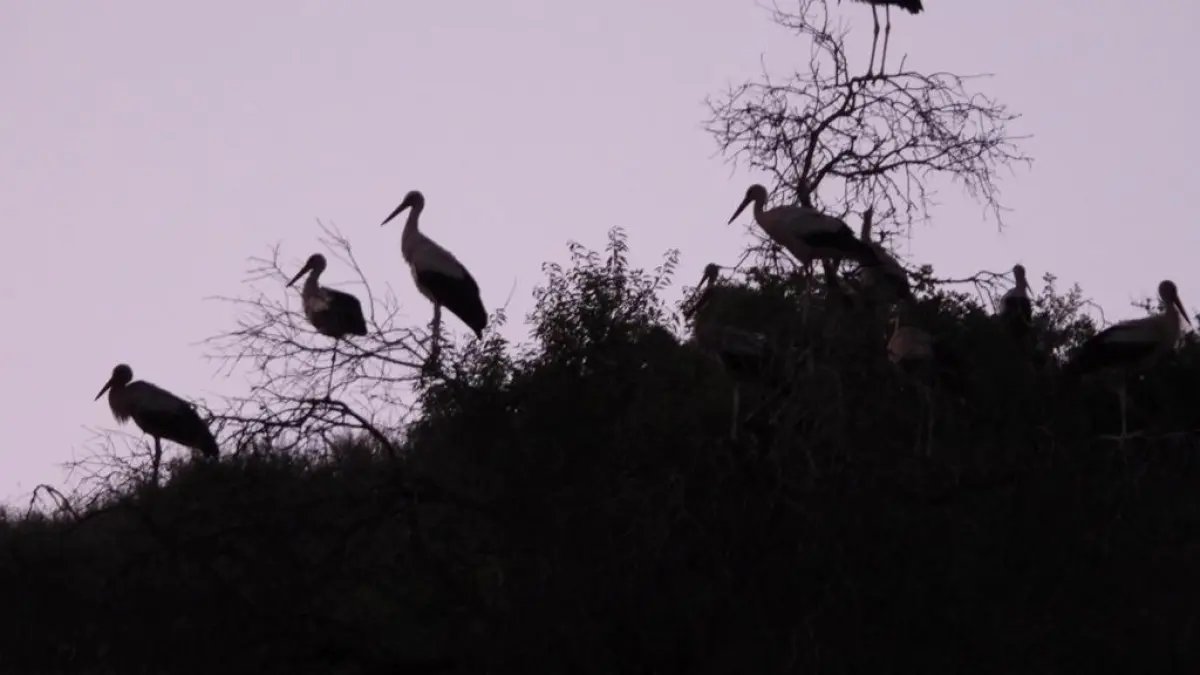
Historically, the hills of Lebanon facilitated vital migratory paths for numerous bird species. Every year, during spring and autumn, large groups of storks, raptors, and songbirds found refuge in the olive groves and forest edges before continuing their journeys. Unfortunately, this rich ecosystem is now plagued by the dramatic disruption caused by conflict.
The International Union for Conservation of Nature (IUCN) recently confirmed the extinction of the slender-billed curlew, a migratory bird that once navigated these routes, symbolizing broader ecological failures. This loss starkly illustrates the pressures on migratory birds stemming from habitat destruction, urban expansion, and the realities of conflict.
The Response from Conservation Organizations
Despite the evidence of environmental destruction, many major wildlife conservation organizations have remained silent concerning the ecological impacts of the violence in Lebanon and Gaza. While the IUCN expressed general concerns about humanitarian crises during conflicts, it failed to address specific ecological damages or migratory routes impacted by warfare.
During the recent IUCN World Conservation Congress, members did acknowledge the environmental devastation in Lebanon and called for recovery support without naming responsible parties or precise causes of damage from military conflicts. This lack of specificity leaves much of the documented ecological degradation unaccounted for on the global stage.
The Weaponization of Nature
In this chaotic backdrop, it has become evident that the environment itself is being weaponized, with forests and water sources now targeted rather than merely collateral damage. The area surrounding Ayta ash-Shaab stands stripped of its former vibrancy, leaving behind desolate landscapes devoid of life. Last September, there were brief sightings of migratory storks, but they no longer stop where they once found sustenance.
Between October 2023 and October 2024, there were 195 confirmed incidents of white phosphorus use in southern Lebanon, resulting in soil contamination that poses long-term risks to agriculture and public health. The group Green Southerners has called for immediate ecological assessments to understand the scope of the damage before any recovery efforts can begin; however, ongoing security threats hinder restoration projects.
Conclusion
The destruction wrought by conflict has not only devastated the Harj al-Raheb forest but also fundamentally altered the lives and identities of those who depended on it. The ongoing environmental plight serves as a reminder of the intricate connection between warfare and the natural world, urging a need for awareness, understanding, and action to protect both humanity and the ecosystems we rely on.
- Harj al-Raheb was a vital ecological and cultural haven that has significantly declined due to conflict.
- Local livelihoods have been deeply affected, with many families losing honeybee populations and agricultural resources.
- International conservation organizations have largely failed to address the environmental impacts of military actions in the region.
- The ability of migratory species to thrive is jeopardized due to extensive habitat destruction and contamination.