

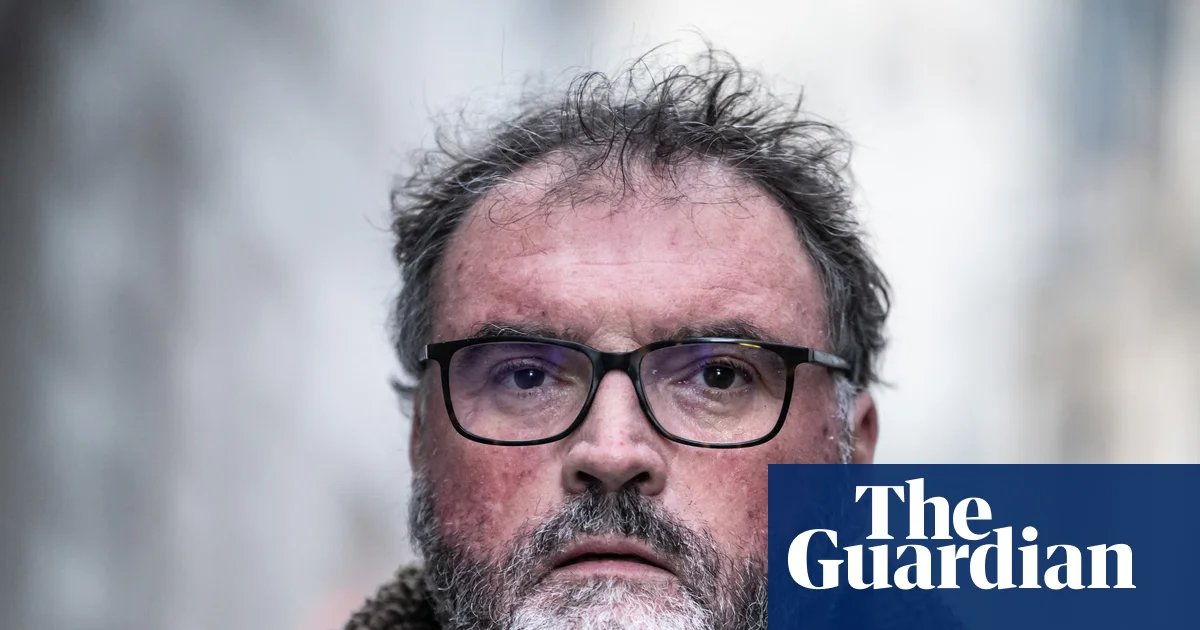
French Anaesthetist Found Guilty of Poisoning Patients
A French anaesthetist, labelled as “Dr. Death” by prosecutors, has been convicted of deliberately poisoning 30 patients and causing the deaths of 12 individuals over nearly a decade. Frédéric Péchier, 53, once hailed as a brilliant anaesthetist, received a life sentence after prosecutors described him as “one of the most significant criminals in the history of the French legal system”.
The Conviction
During the trial, state prosecutor Christine de Curraize characterized Péchier as a “serial killer” who exhibited a “highly twisted” nature. According to prosecutors, he manipulated his colleagues’ paracetamol bags and anaesthesia pouches to poison patients, subsequently leading to heart attacks. Thérèse Brunisso, another state prosecutor, emphasized that Péchier was not a doctor but a criminal who utilized his medical skills to enact harm. The victims’ ages varied widely, ranging from four to 89 years.
Trial Insights
Over three months, the trial sought to uncover Péchier’s motivations behind his heinous actions while he served in private clinics in Besançon, eastern France. Prosecutors identified multiple reasons for his behavior, suggesting that in some instances, Péchier attempted to resuscitate patients he had poisoned, not out of a desire to save them, but to disguise his crimes.
They claimed he desired to showcase his power, especially in comparison to the distress experienced by his fellow doctors. It was alleged that he targeted coworkers’ patients in a bid to undermine their reputations during professional rivalry. Curraize pointed out Péchier’s “need for power”, explaining how poisoning patients became a method for him to address his feelings of inadequacy and frustration. She remarked that for him, killing had transformed into “a way of life”.
Péchier’s Justification
Brunisso further illustrated Péchier’s dual intentions: he aimed for “the physical death of the patient” and executed “a slow and insidious psychological attack” on his colleagues. Throughout the trial, Péchier consistently denied any wrongdoing, asserting in court, “I have never poisoned anyone … I am not a poisoner.” Descriptions from victim lawyers portrayed him as emotionless and devoid of empathy during proceedings.
A Troubling Background
Péchier, the son of an anaesthetist, grew up in a privileged environment. He resided in an expansive home with his cardiologist wife and their three children, before facing divorce. His career spanned numerous private clinics where an unusual number of patients suffered cardiac arrests amid suspicious circumstances from 2008 to 2017. Tragically, twelve patients were unable to be revived and died due to these incidents.
Impact on Victims
Investigators scrutinized over 70 cases of “serious adverse events”, a term used for unforeseen medical complications or fatalities. Péchier’s youngest victim, a four-year-old named Tedy, endured two cardiac arrests during a routine tonsil surgery in 2016. Tedy’s father, Hervé Hoerter Tarby, described the ordeal in court, expressing feelings of betrayal after trusting the medical system. He mentioned how Tedy spent two days in a coma, with his mother at his side praying for recovery. The family alleged Péchier had exploited their son to settle scores among doctors, which they deemed “inhuman and vile”.
Now 14 years old, Tedy refrained from testifying in court, but his father read a written account detailing his struggle: “I understand that, when I was only four, someone used me and my life to create problems. I need 10 minutes more than my classmates to write. I’m afraid that traces of the poisoning will stay with me all my life.”
Real-Life Consequences
Among the victims was Sandra Simard, who was 36 when she underwent a routine back surgery in 2017. Her heart failed during the procedure due to tampering with an anaesthesia pouch, leaving her in a coma for several days. In court, she described ongoing pain: “My whole body is in pain. It’s as if I live in the body of an old person.” Despite her struggles, she expressed gratitude for surviving. “But I can’t complain, because at least I’m alive,” she stated.
Morgane Richard, a lawyer representing multiple victims, remarked on how Péchier viewed patients as “cannon-fodder” in his malicious game against colleagues, leaving them stunned by the inexplicable adverse events affecting their patients. She posed a haunting question to the jury: “No one among you can imagine being intentionally killed by a doctor.”
Conclusion
The trial of Frédéric Péchier reveals a dark chapter in the medical profession, highlighting how betrayal and malice can intertwine within healthcare settings. It serves as a grim reminder of the importance of accountability and vigilance in the medical field to protect patients and maintain trust.
Key Takeaways:
- Frédéric Péchier was sentenced to life for poisoning patients and causing numerous deaths.
- Prosecutors described him as a manipulative individual who exploited patients and colleagues.
- The psychological impact on both victims and their families has been devastating.
- Healthcare professionals must ensure accountability to prevent such tragedies.