

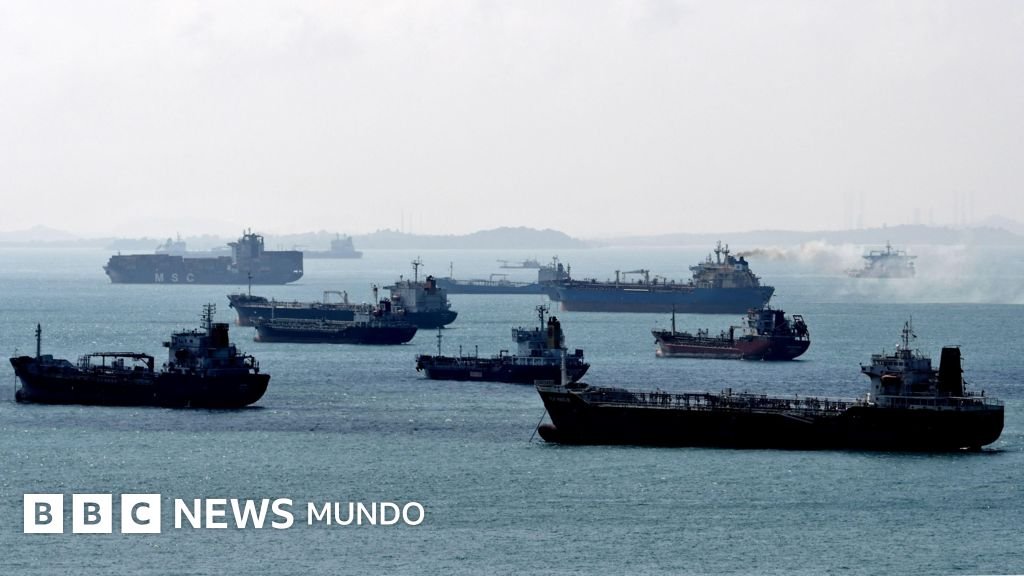
The Rise of Venezuela’s Shadow Fleet
Since the introduction of U.S. sanctions against Venezuela’s oil industry in 2019, the nation’s oil exports have undergone a remarkable transformation. Initially, they plummeted to approximately 495,000 barrels per day. Six years later, despite the sanctions still being in place, Venezuela’s oil sales have rebounded, nearing the million-barrel mark. This article delves into the strategies employed by the Maduro government to circumvent these sanctions, focusing particularly on the enigmatic “shadow fleet” that plays a critical role in its oil trade.
The Impact of Sanctions
When former President Donald Trump imposed sanctions on Venezuela to challenge Nicolás Maduro’s government, he aimed to restrict oil exports. However, recent data indicates that Venezuela has managed to regain substantial ground, approaching the 1.1 million barrels per day it exported in late 2018. This shift suggests that the sanctions have not wielded the anticipated effects, prompting the Maduro administration to explore alternative avenues for oil sales.
The Role of the Shadow Fleet
Central to Venezuela’s oil trade evasion efforts is its “shadow fleet,” comprising oil tankers that employ various tactics to obscure their activities, allowing them to transport sanctioned oil. For instance, the recent interception of a vessel off Venezuela’s coast by U.S. military forces highlights the ongoing conflict surrounding these clandestine operations. Trump announced the seizure of what was described as the largest oil tanker ever confiscated, which Maduro characterized as “a brazen theft.”
Escalating Tensions
The U.S. response to the situation has heightened tensions with Caracas, particularly following a significant military deployment in the Caribbean aimed at combating drug trafficking. Many analysts suggest that the ultimate objective is regime change in Venezuela. Economically, this maneuver complicates Venezuela’s oil exports and adds further pressure on the shadow fleet.
A Growing Phenomenon
The use of shadow fleets has risen not only in Venezuela but also in other sanctioned oil-producing nations, such as Russia and Iran. Research by financial intelligence firm S&P Global indicates that around 20% of the world’s oil tankers are involved in smuggling oil from countries under sanctions, with a significant portion dedicated to transporting Venezuelan oil.
Tactics of Evasion
One common strategy among these tankers is frequently changing their names and flags. A recent example includes a tanker seized by the U.S. that had previously undergone multiple name changes to evade detection. This specific vessel was tied to a broader network implicated in financing groups like Iran’s Revolutionary Guard and Hezbollah.
Another intriguing tactic involves “zombie ships”—vessels that operate under the identity of decommissioned ships, complete with forged registration numbers from the International Maritime Organization. These ships can mask their origins and evade detection much more effectively. A notable case involved a tanker called Varada, which had reportedly been dismantled years earlier yet appeared to be active in transporting Venezuelan oil.
Invisible Transfers
Many operations involve transferring oil at sea to tankers that do not face sanctions, effectively disguising the original source of the crude oil. This subterfuge allows sanctioned oil to reach markets, particularly highlighted in exports to China, where the origins were obscured to comply with official trade statistics.
Insightful Findings
Recent investigations have unveiled the existence of numerous zombie ships operating under dubious identities in Venezuela. Reports indicate that many of these tankers remain active for extended periods without docking, raising questions about their operations. The exploration of Venezuelan ports revealed a significant presence of foreign tankers, with a concerning number linked to shadow fleets.
Conclusion
The revelations about Venezuela’s shadow fleet underscore its persistent struggle against U.S. sanctions and the lengths to which it will go to sustain its oil industry. As international scrutiny intensifies and military measures escalate, the future of this clandestine operation remains uncertain, posing challenges for both the Maduro administration and the U.S. strategy moving forward.
Key Takeaways
- Venezuela’s oil exports are rebounding despite U.S. sanctions, nearing 1 million barrels per day.
- The shadow fleet plays a crucial role in circumventing sanctions through various evasion tactics.
- Involvement of zombie ships and oil transfers at sea complicates detection and enforcement.
- Recent military actions ramp up tensions between the U.S. and Venezuela as covert operations persist.