

Elections Yield No Clear Winner as Opposition Blocks Arab Party Alliances
The recent elections in Israel have shown a lack of a decisive winner, leading to significant tensions in the political landscape. With the Arab parties gaining record representation, the refusal of the opposition bloc to collaborate with them has sparked strong reactions. This article delves into the implications of the election results and the challenges faced by the Arab parties within Israel’s political framework.
The Significance of Arab Party Representation
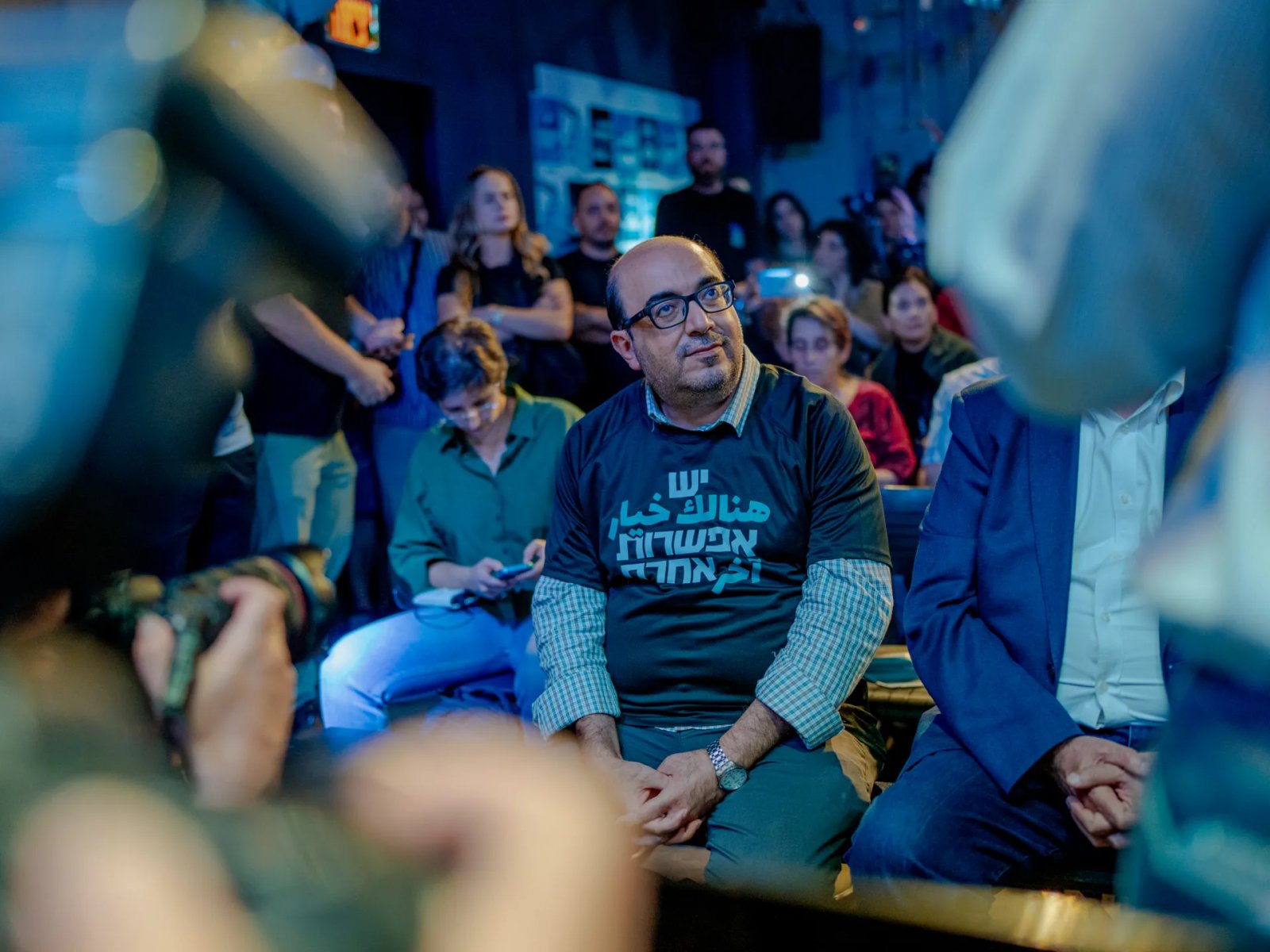
Sami Abu Shehadeh, the leader of the Balad party, has voiced his disappointment towards Israel’s main political figures for not considering collaboration with Arab parties, despite their potential role as kingmakers in the new parliament. He highlighted that Palestinian citizens of Israel, representing roughly one-fifth of the total population, are being marginalized as valid political partners.
“This is racism,” Abu Shehadeh stated. “We are a legitimate elected leadership of the national minority. The vast majority of our people decided that we are their leadership.”
Election Results and Party Dynamics
The Arab parties are on track to secure a historic 19 seats, providing them with significant influence over major political factions. As the vote counting reached 85% completion, Prime Minister Benjamin Netanyahu’s bloc was reported to hold at least 53 seats, while the opposition led by Gadi Eisenkot had 48. Both factions fall short of the 61 seats needed for a governing majority.
Netanyahu has interpreted the results as a clear mandate for a stable right-wing administration, while Eisenkot argues for a government that signifies change.
Challenges Facing Balad
Despite these developments, Abu Shehadeh himself did not run in the election after the committee ruled to disqualify him based on allegations of supporting armed struggle, viewing that it threatens Israel’s Jewish and democratic character. He withdrew amidst indications from the Supreme Court that they would likely uphold his disqualification, asserting that the legal system demonstrated a bias against Arab citizens.
Commitment to the Arab Community
Shehadeh expressed pride in the enthusiastic voter turnout from the Arab Palestinian minority, emphasizing their desire to prevent what he termed “this gang of criminals,” referring directly to Netanyahu and far-right officials Bezalel Smotrich and Itamar Ben-Gvir, from regaining power. “So our first promise, we can keep it from now,” he noted.
Political Landscape Shifts
Al Jazeera’s correspondent Nour Odeh reported that Netanyahu has effectively alienated discussions with Palestinian Israeli representatives, which positions him favorably to dominate negotiations. Eisenkot’s bloc appears disinclined to forge partnerships with Arab parties, complicating the political scenario further.
Former Israeli ambassador to the U.S., Danny Ayalon, pointed out the unprecedented Arab voter turnout, indicating that these parties will command substantial influence. While mathematically feasible, forming a coalition between Eisenkot’s bloc and two Arab parties will require considerable political maneuvering.
A Vision for Political Change
Yousef Jabareen, leading the Joint List, has expressed openness to collaborating to remove Netanyahu from power, declaring that the intent to form alliances exists. Meanwhile, Abu Shehadeh outlined the aspirations of Palestinian citizens regarding the future administration:
“We are against genocide and we are against apartheid. We want to promote a different political alternative, one which is based on the values of freedom, justice, and equality for both peoples who are living between the river and the sea.”
He underscored his views on Netanyahu, stating, “Our problem … is that he is a war criminal.”
Conclusion
The current political landscape in Israel is characterized by a split outcome from the elections, leaving both major blocks in a standoff. The rising representation of Arab parties presents an opportunity for progressive change, albeit overshadowed by the reluctance of the opposition to engage in partnerships. The coming weeks will be critical for all parties involved as they navigate this complex scenario.
- Record turnout among Arab parties signals potential for increased influence.
- Netanyahu’s bloc leads the election but lacks a clear governing majority.
- Abu Shehadeh advocates for Arab participation despite challenges.
- Calls for a political alternative centered on equality and justice continue to grow.