

The Importance of Kangaroo Mother Care for Newborns in Gaza
In the heart of the Gaza Strip, Rania Fadel’s story highlights the struggles and resilience of new mothers in challenging conditions. After giving birth to twin boys, Ilyas and Yahya, on September 25, she faced a heartbreaking situation: for 11 days post-delivery, she couldn’t cradle her newborn. While Yahya thrived, Ilyas required specialized medical attention in the neonatal unit due to his premature birth. This article delves into the vital practice of kangaroo mother care being implemented at Nasser Medical Complex in Khan Younis, focusing on its significance for low-birthweight newborns amidst ongoing challenges in Gaza’s healthcare system.
Rania’s Journey of Bonding with Ilyas
Rania, just 24 years old, experienced the joy of motherhood paired with the distress of separation from her son. Ilyas, born at merely 1.4 kilograms (3 pounds), faced multiple health challenges related to his blood and lungs, necessitating intensive care. During her recovery from a Caesarean section, she longed to hold him. “When they called me to hold him, I rushed over,” Rania recalled, vividly remembering the overwhelming joy of that moment.
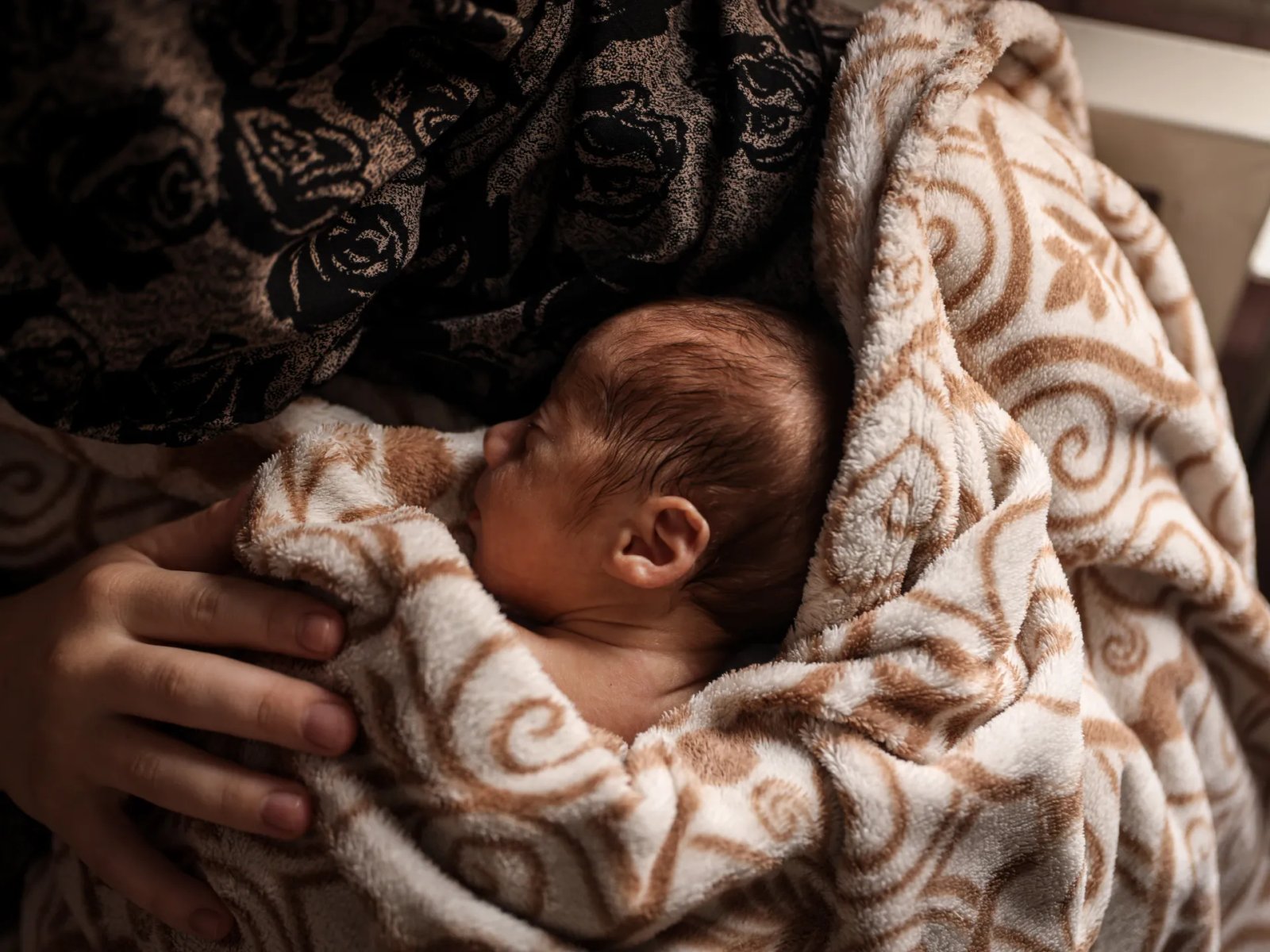
As Ilyas’s condition improved and he transitioned from intensive care to a more stable environment, Rania participated in kangaroo mother care. This method involves skin-to-skin contact between mother and child, along with exclusive breastfeeding, designed to enhance the wellbeing of low-birthweight infants. Rania vividly expressed her happiness as she held Ilyas close to her chest for the first time. “It was such a beautiful feeling,” she said, as he began breastfeeding, signaling a positive response to the care.
The Benefits of Kangaroo Mother Care
Kangaroo mother care is a method wherein a newborn is placed against a parent’s bare chest, promoting skin-to-skin contact that has shown remarkable health benefits. For premature and low-birthweight infants, this practice helps regulate body temperature, supports breastfeeding, and ultimately improves health outcomes.
According to the World Health Organization (WHO), kangaroo mother care can decrease neonatal mortality by 32% and the mortality rate by six months of age by 25%, compared to traditional care methods. Khawla al-Madhoun, the nursing director at the maternity and neonatal departments of Nasser Medical Complex, describes it as a comprehensive approach that fosters growth and strengthens the maternal bond. She states, “When we place a baby on the mother’s chest, it helps the baby grow,” emphasizing the positive results they’ve witnessed in infants under this care.
Implementation of Kangaroo Care in Gaza
Nasser Medical Complex is gradually implementing kangaroo care through a pilot program supported by international organizations. While the initiative began in September, it is being introduced incrementally to ensure thorough integration into the hospital’s neonatal care practices. The objective is to achieve optimal skin-to-skin contact, with WHO recommending at least eight hours daily. Currently, the team aims for a minimum of two hours, adapting to each family’s unique situation.
It’s important to note that this method does not replace the specialized medical care that some infants require, such as those in incubators or needing respiratory support. Al-Madhoun reassures that while kangaroo care is beneficial, intensive medical interventions remain crucial for certain infants.
Ongoing Challenges in Gaza’s Healthcare System
Unfortunately, the need for advanced neonatal care in Gaza has increased significantly due to continuous conflict and disruption of healthcare services. Prior to the onset of the recent war, Gaza had eight neonatal intensive care units equipped with 178 incubators. By November, however, three units had been destroyed, slashing the available incubators to roughly 54—a staggering 70% drop in resources.
The ongoing strife has compounded pre-existing issues, leaving hospitals overwhelmed and under-resourced. The harsh realities, such as limited equipment, restricted access to power and supplies, and overcrowded facilities, have placed premature infants at heightened risk. Al-Madhoun points out that these circumstances have contributed to a rise in premature births and low-birthweight infants requiring specialized attention.
Personal Struggles Amidst Recovery
Linda Abu Nasira, a mother living in a tent in al-Mawasi, recently welcomed a baby girl who required treatment for an initial fever. With her two older children, she is determined to care for her newborn while navigating the complex challenges of her environment. Learning the kangaroo care technique has become a vital part of her daughter’s healing process, and Linda takes pride in her role as a nurturing caregiver.
“As a mother, it means a lot to me to feel that I am helping my daughter recover,” she stated, conveying an unwavering hope for her child’s health and safe return home.
Conclusion
The implementation of kangaroo mother care at Nasser Medical Complex exemplifies a vital method for supporting vulnerable newborns in Gaza’s challenging healthcare landscape. Through this innovative approach, mothers like Rania and Linda not only assist in their infants’ recovery but also create lifelong bonds. The need for comprehensive neonatal support remains pressing, underscoring the ongoing challenges faced by families in the region.
- Kangaroo mother care enhances the health and wellbeing of premature and low-birthweight infants.
- The practice promotes skin-to-skin contact, fostering maternal-infant bonding.
- Gaza’s healthcare system suffers from significant resource shortages, exacerbating infant care challenges.
- Efforts to implement kangaroo care are crucial for addressing the needs of vulnerable newborns in the region.