

Understanding the Challenges of Wildfires in Indonesia
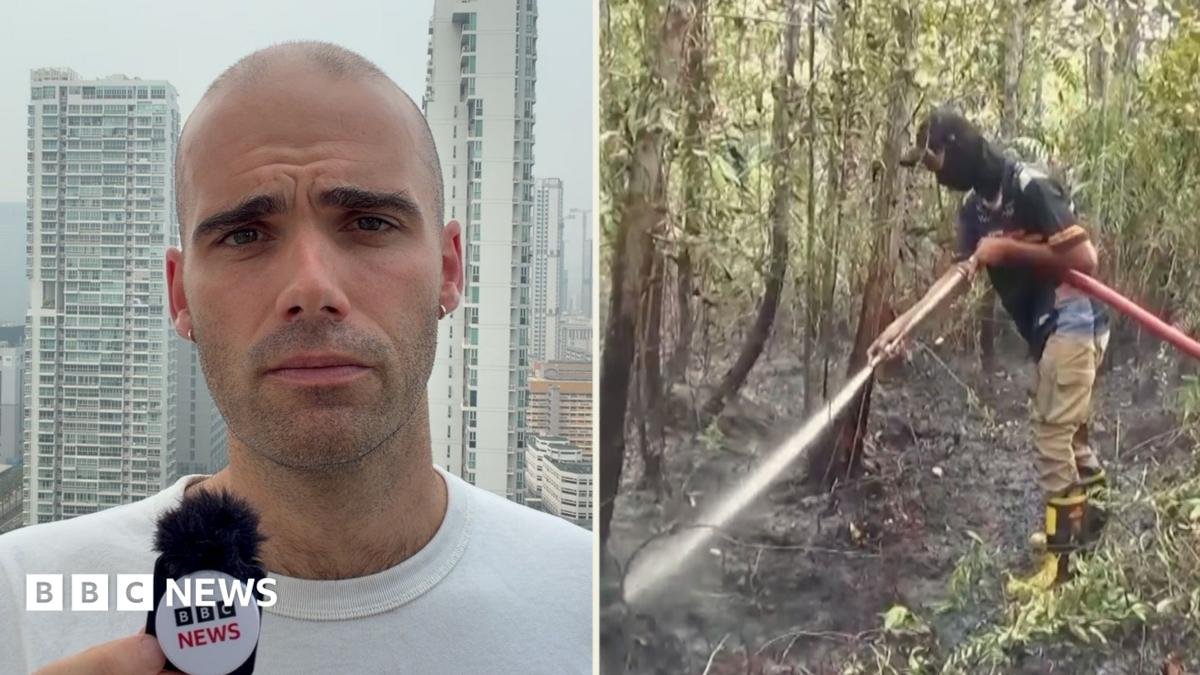
Wildfires have been raging in various regions of Indonesia for several weeks, generating thick smoke that has enveloped not only local areas but also spread to neighboring countries like Malaysia, Singapore, and the Philippines. These fires present a significant environmental challenge and pose substantial health risks, making it crucial to understand the reasons behind their persistence and the harmful haze they produce.
The Complexity of Fighting Wildfires
One of the primary reasons these fires are challenging to extinguish is the complex nature of the Indonesian landscape. The terrain comprises vast areas of peatland and rainforests, which are particularly vulnerable to fire. When ignited, peat can smolder underground for extended periods, making detection and eradication difficult. This hidden combustion can result in fires re-emerging long after they seem to have been contained.
The Factors Fueling the Fires
Various factors contribute to the ongoing wildfires in Indonesia. Seasonal dry spells, often exacerbated by climate change, create conditions ideal for ignition. Additionally, land-clearing practices—where farmers and corporations burn vegetation to prepare land for agriculture—add to the problem. This not only creates immediate fire hazards but also leads to significant air pollution, which affects both local and international communities.
The Impact of Toxic Haze
The smoke generated from these fires is laden with toxic particles that pose serious health risks. Residents in affected areas are exposed to hazardous air quality, leading to respiratory issues and other health complications. The haze has far-reaching effects, impacting air travel and daily life in neighboring countries as well.
Efforts to Manage the Crisis
Efforts to combat these fires range from local firefighting units to international cooperation, yet challenges remain. Enhanced strategies including more sustainable land management practices and stricter regulations on land clearing are essential to prevent future outbreaks. Continued awareness and education on the implications of these fires are needed to foster a more sustainable relationship with Indonesia’s rich but vulnerable ecosystems.
Conclusion
The ongoing wildfires in Indonesia are a stark reminder of the delicate balance between human activities and environmental health. By addressing the root causes and challenges associated with these blazes, both locally and internationally, we can work towards solutions that protect both communities and the planet.
- Wildfires in Indonesia have been ongoing for weeks, affecting air quality across Southeast Asia.
- Complex landscapes and land-clearing practices complicate firefighting efforts.
- Toxic haze poses serious health risks and disrupts daily life.
- Long-term solutions require sustainable land management and stricter regulations.