

South Korea to Investigate Fuel Shipments to Russia Amid International Scrutiny
In a recent development, the South Korean government announced plans to take legal action if it determines that fuel shipments from its ports to Russia have breached domestic laws. This statement comes in response to a report detailing these trade activities, raising concerns about their implications amidst ongoing tensions related to the Ukraine conflict.
Government’s Response to Concerns
The statement was jointly released by South Korea’s foreign and trade ministries, along with the customs service, indicating that authorities are currently verifying additional information related to the loading activities highlighted in the report. They emphasized that if any violations of laws and regulations are confirmed, they will take appropriate legal measures.
Findings from Ship-Tracking Data
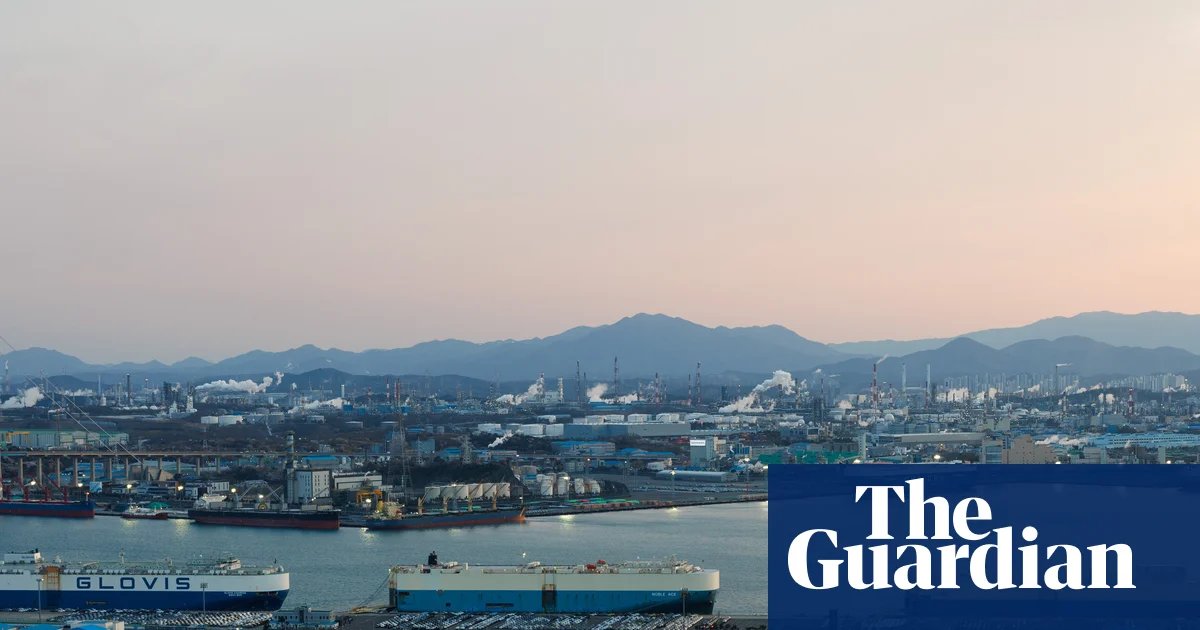
According to an analysis of port records and ship-tracking data, it was revealed that over 176,000 tonnes of fuel, predominantly diesel, were loaded onto several tankers at various South Korean ports during July and August. These vessels undertook a total of 14 trips to Russia’s far eastern region.
A troubling aspect of these shipments is that three of the involved tankers are under UK and EU sanctions. Notably, one of these tankers reportedly transferred around 26,000 tonnes of fuel at an anchorage near the southern port of Yeosu.
Isaac Levi, an analyst from the Centre for Research on Energy and Clean Air, expressed that such trades undermine both the sanctions imposed and South Korea’s stated support for Ukraine.
Impact on Russian Oil Refining
Recent reports have indicated a significant impact on Russia’s oil refining capacities due to drone strikes from Ukraine. In fact, Russia’s refinery output plummeted to the lowest levels seen in over two decades, with diesel production down by nearly 30% compared to the previous year, according to the International Energy Agency.
Clarifications from South Korea
In its statement, the South Korean government clarified that the refined petroleum products involved in the shipments do not fall under the export controls imposed on Russia, which mainly focus on items like industrial machinery and electronics. They further noted that the loading of these products at South Korean ports does not represent a violation of domestic law.
The government has stated that it has not yet confirmed whether any fuel of South Korean origin was actually exported, asserting that no types of fuel, including diesel and aviation fuel, passed through customs to Russia.
It remains unclear who the actual owners or sellers of the fuel are, as public port records do not disclose such information.
Investigating Shipping Routes
Authorities also indicated that just because a shipping vessel did not head straight to its declared final destination does not automatically imply a false declaration. They intend to scrutinize the actual routes taken by the tankers, particularly examining any deviations from their stated destinations.
The three sanctioned tankers initially notified South Korean authorities of intentions to sail to Japan or Singapore before ultimately heading to Vladivostok. Additionally, the Russian-flagged vessel Aram Khachaturian, not under Western sanctions, made three stops in Ulsan during July and August, stating different destinations each time before arriving in Russia.
Reactions from Ukraine
This week, an advisor to Ukrainian President Volodymyr Zelenskyy described the shipments as incongruous with South Korea’s sanctions policies. Following this, South Korea’s presidential office labeled the comments as inaccurate and urged Ukraine to avoid remarks that could tarnish Seoul’s international reputation.
Ukraine has reportedly addressed these fuel shipments with South Korea through diplomatic channels, seeking clarification and presenting their own data related to the matter.
In response to rising tensions, South Korea’s government has decided to recall its ambassador to Ukraine, hoping that unresolved issues between the two nations can be amicably resolved through ongoing consultations.
Conclusion
The situation surrounding South Korea’s fuel shipments to Russia underscores the complexity of international trade and diplomatic relations amid geopolitical tensions. As the South Korean government furthers its investigation, the outcome may have significant implications for its stance on sanctions and its relationship with Ukraine.
- South Korea is investigating claims of fuel shipments to Russia.
- The government aims to take legal action if any violations of domestic laws are confirmed.
- Recent analyses show significant quantities of fuel were exported, raising international concerns.
- The diplomatic relationship between South Korea and Ukraine is under strain amidst these findings.