

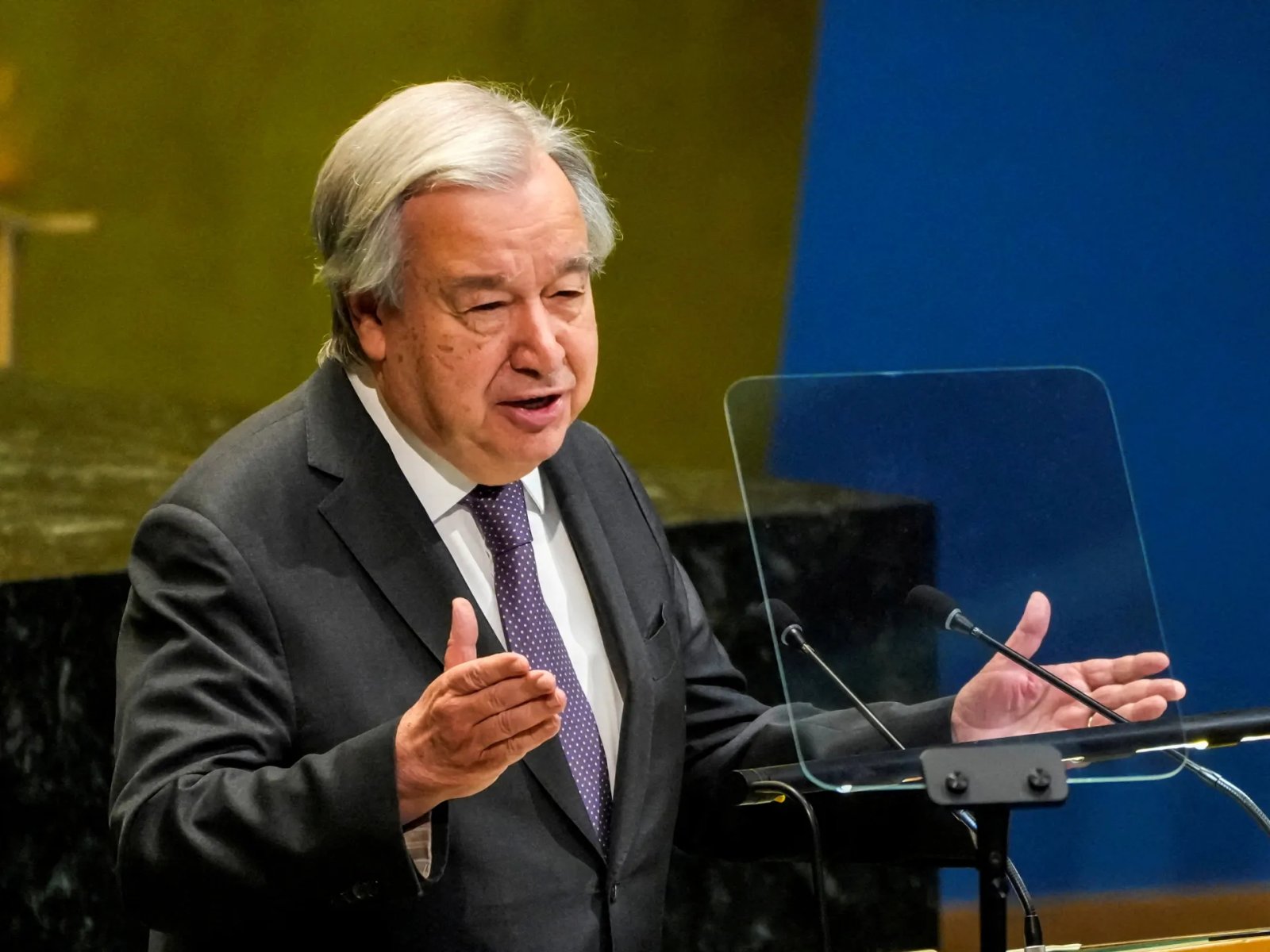
The State of Global Conflicts and the Future of the UN
As we approach the end of the year, the world is facing increasingly complex challenges, particularly with rising conflicts that threaten global stability. In a recent interview, United Nations Secretary-General Antonio Guterres highlighted the worsening state of the world, emphasizing the critical role of the UN in addressing these disputes.
Geopolitical Tensions and UN Challenges
Guterres expressed concerns about the growing geopolitical divides that have rendered the Security Council ineffective, leaving vulnerable populations in dire situations. He pointed out that the involvement of major powers in ongoing wars has led to a crisis characterized by continuous breaches of international law.
“That creates an environment of impunity, in which midsize powers believe that they can do whatever they want because nothing will happen to them,” Guterres remarked.
The Impact of Current Conflicts
The UN chief elaborated on the far-reaching consequences of significant military conflicts, including the wars in Ukraine and the Middle East. He stressed the effects these situations have on fundamental human needs, such as food availability, increasing fuel prices, and overall global inflation.
“The combination of the war in Ukraine with the problems of exports of foods, fertilizers, and energy through the Black Sea, if you combine it with the difficulties in the Strait of Hormuz and in the Bab al-Mandeb, and the attacks on oil installations in several countries in the Middle East, we are creating a situation that has a devastating impact on many economies around the world,” Guterres explained.
He warned that while developed nations may eventually manage the increase in fuel prices and interest rates, people in developing countries are facing an urgent crisis due to soaring energy costs, food shortages, and lack of fertilizers.
The Need for Reforms
Antonio Guterres, who has served as the UN Secretary-General since January 1, 2017, will see his mandate end on December 31, 2026. He emphasized the urgent need for reforms within the organization to ensure it remains relevant in addressing contemporary global issues. He specifically pointed to the Security Council, describing it as an institution that “still essentially represents the world of World War II.”
Succession and Future Leadership
As Guterres’s term concludes, discussions about his potential successors have begun. Notable names in the mix include Rafael Grossi, head of the International Atomic Energy Agency, former Senegalese President Macky Sall, and Ecuadorian diplomat Maria Fernanda Espinosa. For a candidate to be nominated as Secretary-General, they must secure the approval of at least nine of the fifteen members of the Security Council while avoiding a veto from any of the five permanent members: China, France, Russia, the United Kingdom, and the United States.
Conclusion
The future of the United Nations hinges on its ability to adapt to the evolving landscape of global conflicts. As tensions rise, the organization’s role remains more crucial than ever, demanding a reevaluation of its structures and processes to effectively tackle these pressing issues.
Key Takeaways
- Global conflicts are increasing, making the UN’s role more vital.
- Geopolitical divides have weakened the Security Council’s effectiveness.
- Immediate reforms are necessary for the UN to remain relevant.
- Potential successors for Guterres’s position are already being discussed.