

Wildfires Rage in Colombia Amid Record Heat and Drought
Colombia is currently facing an alarming wildfires crisis, exacerbated by unprecedented temperatures influenced by El Niño and severe drought conditions. This article dives into the recent catastrophic wildfire near the historic town of Villa de Leyva, exploring its origins, impacts, and broader implications of climate change.
A Catastrophic Blaze Near Villa de Leyva
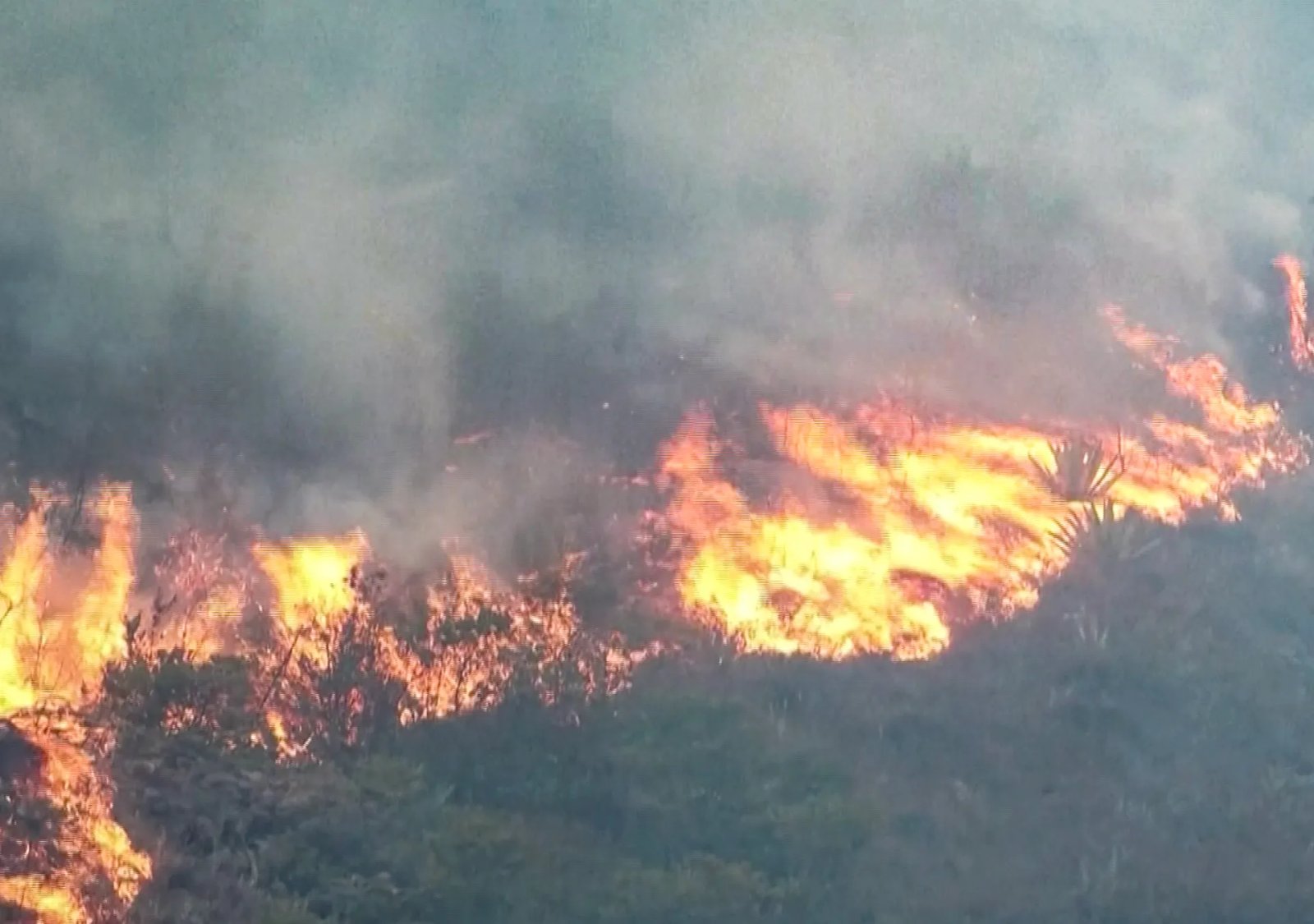
Local officials have reported a significant wildfire erupting in central Colombia, threatening the beloved tourist destination of Villa de Leyva. This fire, situated near the Andean town in the Boyacá department, is currently consuming the San Marcos hillside, which overlooks the town’s charming colonial architecture and cobbled streets that attract over a million visitors each year.
The wildfire has already devastated approximately 40 hectares of native forest, releasing thick clouds of smoke that can be seen from the central square of Villa de Leyva. Colombian authorities are on high alert as the situation unfolds.
Government Response and Mobilization
In response to the escalating fire, Colombian President Abelardo de la Espriella expressed his support for Villa de Leyva on social media, stating, “Villa de Leyva is not alone.” He promised to allocate all available state resources to combat the blaze and protect “this historical jewel” that holds significant pride for Colombia.
The government of Boyacá is taking proactive measures by dispatching two aircraft to assist in firefighting efforts. A military helicopter will also join the operation, while firefighters from Bogotá are being sent to the scene. Interior Minister Rodrigo Lara announced that Bogotá’s mayor, Carlos Fernando Galán, is coordinating a team of firefighters to support local crews from Tunja and Boyacá, enhancing containment and safeguarding the urban area.
Climate Conditions Intensifying the Crisis
The frequency of wildfires typically peaks in the dry season within the equatorial Andes. However, this year has been particularly severe, driven by an intensified El Niño weather pattern. Record-high temperatures and a lack of moisture have transformed large areas of Andean vegetation into potential fire hazards.
According to the Colombia’s National Unit for Disaster Risk Management (UNGRD), the country is grappling with 18 active wildfires as of recent reports. The effects of the El Niño phenomenon are felt globally; however, they impact different regions of South America variably, creating extreme droughts in some areas while causing torrential flooding in others. This year, the effects have been compounded by climate change, raising concerns among scientists, governments, and aid organizations.
The warming waters of the Pacific have led to devastating flash floods and landslides in countries such as Peru and Ecuador. Conversely, countries in the southern part of the continent, including Argentina, Chile, and Uruguay, are anticipating unusually heavy rainfall, while northern regions like Colombia are facing drastic reductions in precipitation, exacerbating the drought crisis.
The soaring temperatures are causing rapid evaporation of moisture from soils and water bodies, plunging Colombia into extended periods of drought with critically low rainfall levels. As climate scientist Stephanie Roe from the World Wildlife Fund highlights, “El Niño can bring devastating climate extremes on its own, but it’s unfolding today on a much warmer planet, increasing the likelihood that heat, drought, floods, and fires will push communities and ecosystems beyond anything they have experienced before.”
Conclusion
Colombia is currently grappling with an environmental crisis as wildfires threaten its heritage and landscape. The interplay of El Niño and climate change is wreaking havoc in the region, calling for urgent action and awareness about the changing climate and its far-reaching effects.
Key Takeaways
- Colombia is battling multiple wildfires due to El Niño and severe drought conditions.
- Villa de Leyva, a historic tourist town, is particularly threatened by a massive wildfire.
- The government is mobilizing state resources, including aircraft and firefighters, to combat the fires.
- Climate change is exacerbating the impacts of El Niño, resulting in extreme weather conditions across the region.