

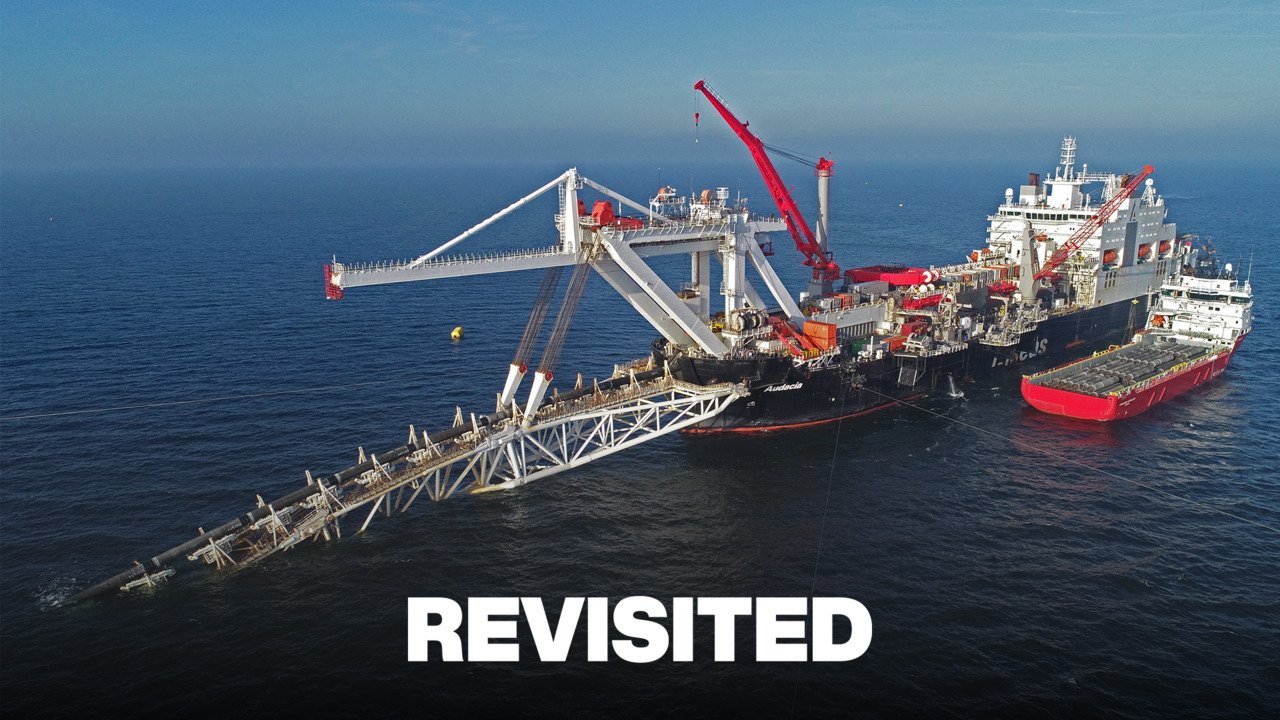
The Dramatic Nord Stream Sabotage: A Deep Dive
On September 26, 2022, a significant act of sabotage unfolded in the Baltic Sea, marking one of the most remarkable incidents since World War II. This event saw the destruction of three out of four pipes from the Nord Stream 1 and Nord Stream 2 gas pipelines, resulting in a staggering release of 465,000 metric tons of methane into the atmosphere. More than just a physical disruption, this incident effectively severed a long-standing and strategic energy connection between Russia and Germany.
Current Developments
Fast forward four years, and the ramifications of this sabotage are still unfolding. Recently, a Ukrainian national is facing trial in Germany, while another individual was apprehended in Croatia. Despite these developments, many questions linger among the German public regarding the incident and its broader implications.
More Than Just a Pipeline
The Nord Stream pipelines were more than mere conduits for natural gas; they represented a significant political commitment—an enduring energy reliance on Russia. Germany had supported the initiative for two decades, turning a blind eye to persistent warnings from allies, including the United States, Poland, and Ukraine. Today, German citizens find themselves grappling with the repercussions of this long-standing policy, as the consequences of this reliance echo throughout the nation.
Conclusion
The Nord Stream sabotage not only altered the geopolitical landscape but also served as a reminder of the fragile nature of energy dependencies. While investigations and trials continue, the public remains eager for clarity on what this means moving forward.
Key Takeaways
- The Nord Stream pipelines suffered a dramatic sabotage on September 26, 2022.
- A significant amount of methane was released, impacting the environment.
- Legal actions are being taken against individuals connected to the incident.
- The event highlighted the complexities and risks of energy dependence on Russia.