

Are Great-Power Politics Resurfacing at the Expense of Smaller Nations?
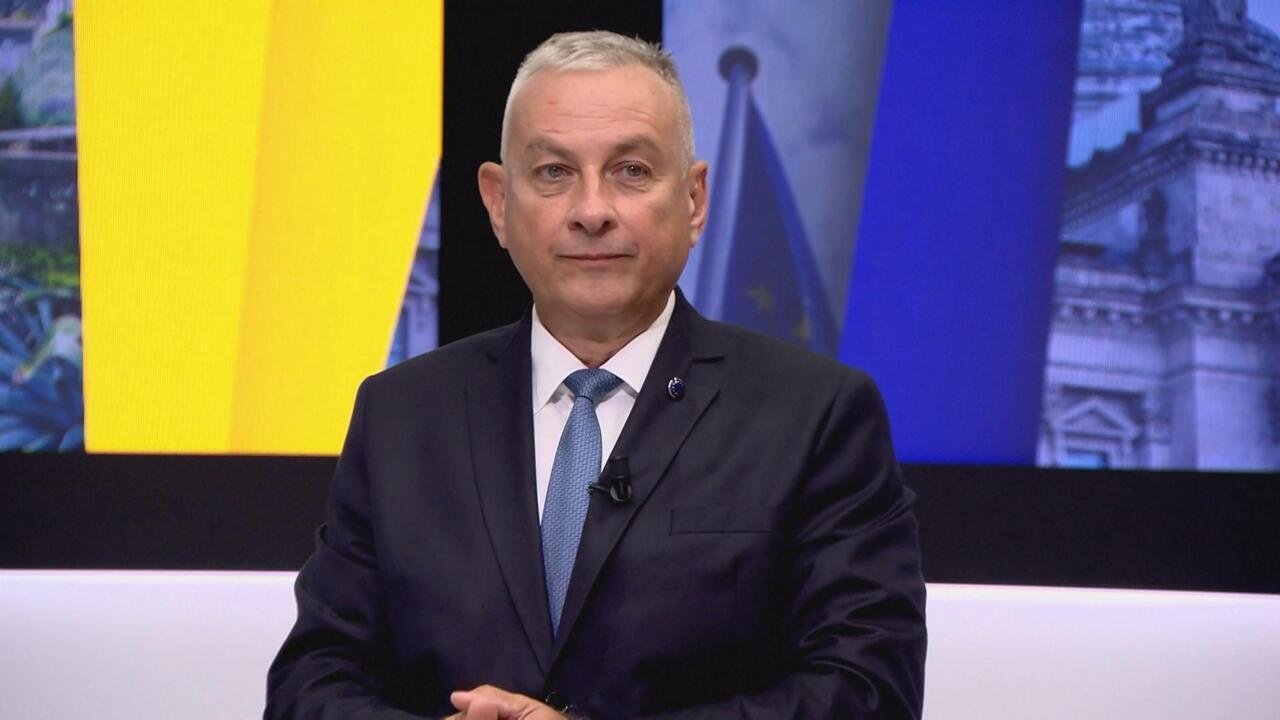
In an era dominated by influential leaders, many are questioning whether multilateralism is faltering. However, Jozef Sikela, the EU Commissioner for International Partnerships, argues otherwise. He believes traditional multilateralism remains robust, particularly in the EU’s engagement with Africa and the Arctic. We recently had the opportunity to converse with him at the European Commission offices in Brussels.
Reimagining Aid as Geopolitical Strategy
Sikela highlights that after the US development aid was significantly reduced during the Trump administration, the EU’s role in global support may even expand. He stated, “There is no other way round, because instability and problems on the neighbouring continent do not know borders. If we do not help to strengthen the economies of the countries in the African neighbourhood, we are essentially creating problems for ourselves.” He emphasizes that this approach shouldn’t merely be seen as aid but rather as a strategic geopolitical initiative. By fostering job creation and sustainable development—areas in which Europe excels—the EU not only bolsters resilience but also contributes to combating climate change and secures essential mineral resources for both climate and digital transitions.
Addressing Concerns of Exploitation
When asked whether the EU is exploiting Africa’s mineral resources, Sikela responds with a thoughtful perspective. “We work with a 360-degree approach,” he explains. “We engage the government, but also collaborate with local NGOs and civil society.” A case in point is the Lobito corridor which connects Zambia, the Democratic Republic of Congo, and Angola. “This project is not merely about the 1,300-kilometre railway. It’s about the entire ecosystem, encompassing sustainable agriculture, financing for SMEs, and creating opportunities for locals throughout the corridor.”
Strengthening Arctic Relations
Sikela has also been instrumental in the Arctic Forum and in refreshing the EU’s Arctic strategy. Discussing Iceland’s decision not to resume accession talks with the EU, he asserts, “We respect this decision. Iceland is a very strong ally and will continue to be one of our strongest partners within the EU framework.” He underlines the importance of allowing nations to chart their own paths, a principle he also applies to Greenland. “We aim to assist Greenland in strengthening its economy, enhancing sustainable tourism, investing in transit routes and digitalization, and gaining access to critical raw materials in the region.” He acknowledges that these transformations must prioritize the local people of Greenland as key drivers of change.
Fostering Mutually Beneficial Partnerships
Sikela envisions a scenario where the EU aids Arctic regions in their development while simultaneously protecting its own interests. “Partnerships with Arctic states not only help develop these areas but also safeguard vital infrastructures, especially in the context of hybrid warfare that targets critical assets.”
Conclusion
Jozef Sikela’s insights shed light on the EU’s ongoing commitment to multilateralism, particularly in its relations with Africa and the Arctic. By prioritizing local economies and sustainable futures, the EU aims not just to aid but to innovate partnerships that enrich both the EU and its neighbors.
- The EU remains committed to multilateralism, especially in Africa and the Arctic.
- Aid is viewed as a vital geopolitical strategy rather than merely assistance.
- Collaborations involve various stakeholders, including local communities and NGOs.
- The focus is on sustainable development, job creation, and local empowerment.