

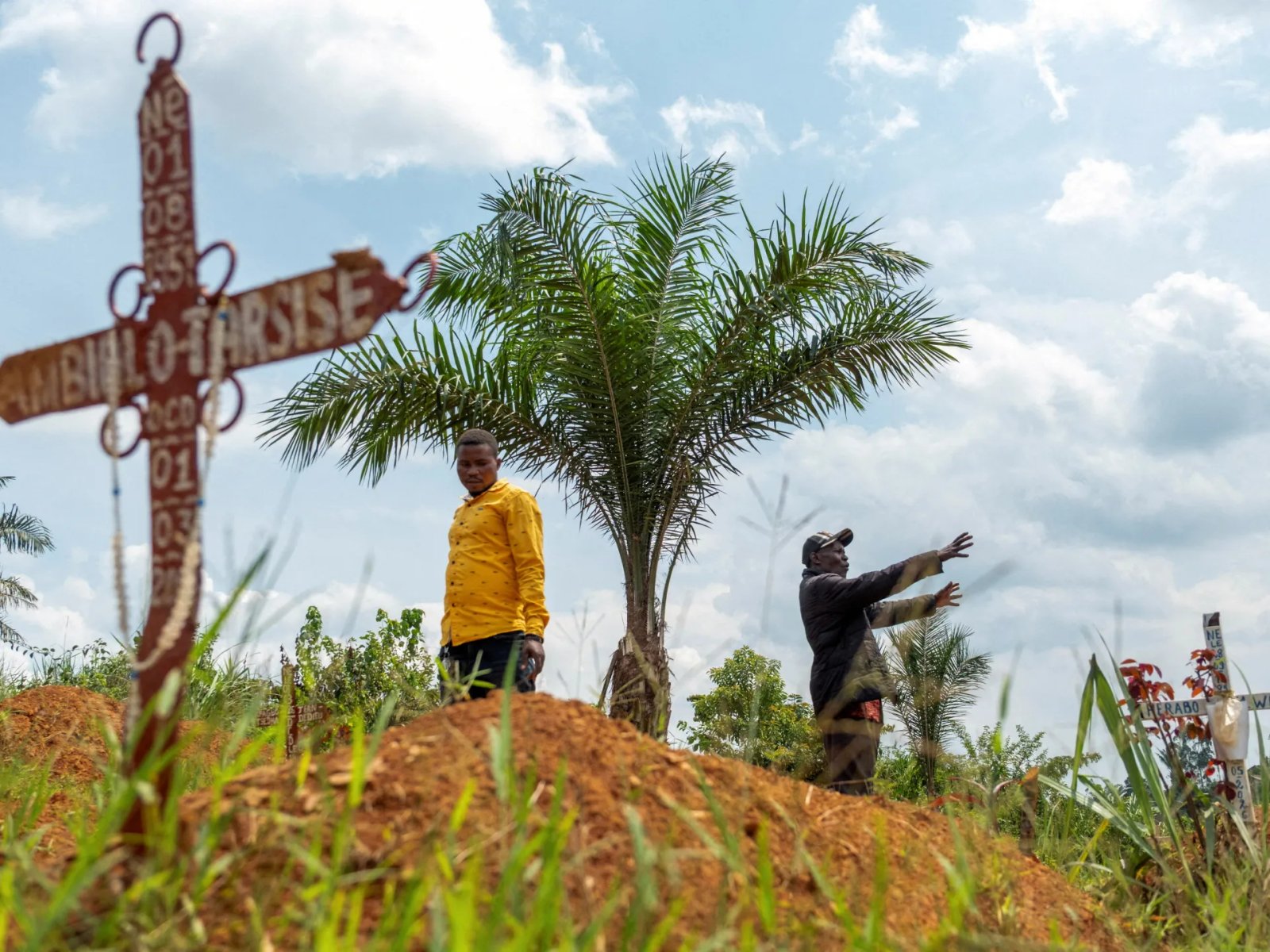
New Ebola Crisis in the Democratic Republic of Congo: The Fastest-Spreading Epidemic
The Democratic Republic of Congo (DRC) is currently facing an unprecedented Ebola outbreak, marking the country’s most severe health emergency to date. With over 6,000 confirmed infections and nearly 3,000 fatalities, the situation is dire and troubling. This article delves into the current state of the outbreak, the challenges faced by healthcare workers, and the broader implications for public health in the region.
The Scale of the Outbreak
According to the United Nations Secretary-General, Antonio Guterres, the ongoing Ebola crisis in the DRC is now recognized as “the fastest-spreading Ebola epidemic ever recorded.” The relentless pace of new infections is outstripping the ability of frontline health workers to monitor and respond effectively. Many of these new cases arise from individuals who are not being tracked through contact tracing initiatives, highlighting a significant gap in the public health response.
Current Statistics
As confirmed by the DRC Ministry of Communications, there are currently a total of 6,041 confirmed cases, with 2,911 deaths reported. Fortunately, there have also been 1,366 recoveries, but approximately 619 patients remain isolated or hospitalized. The sheer numbers indicate the urgency and gravity of the situation as efforts to control the spread of the virus intensify.
Challenges in Response Efforts
The response to this outbreak is hindered by several factors:
- Proliferation of cases is concentrated in eastern DRC, where insecurity due to armed conflicts complicates healthcare delivery.
- Existing humanitarian challenges in these densely-populated areas make it even more difficult to provide necessary medical care.
- Airport closures and flight restrictions disrupt the movement of healthcare workers, diagnostics, and medical supplies.
Organizations like Doctors Without Borders emphasize that these ongoing health needs, coupled with logistical barriers, dramatically affect their ability to respond effectively. On top of this, a recent strike by frontline healthcare workers over unpaid wages and unacceptable working conditions has compounded the crisis.
A Regional Perspective
In contrast, Uganda recently celebrated a significant victory in its public health battle against Ebola, having been declared free of the virus after going 42 days without any new cases as of August 28. This situation highlights the stark differences in how neighboring countries are managing the outbreak and serves as a critical reminder of the importance of robust healthcare systems.
Conclusion
The Ebola outbreak in the DRC epitomizes a complex intersection of public health, security challenges, and humanitarian needs. As the situation evolves, it remains crucial for local and international bodies to work collaboratively in managing and mitigating this rapidly spreading epidemic.
Key Takeaways
- The DRC is experiencing the worst Ebola epidemic in its history, with over 6,000 confirmed cases.
- The rapid spread of Ebola is fueled by gaps in contact tracing and ongoing conflicts in high-density areas.
- Challenges such as staff strikes and logistical issues are exacerbating the healthcare response.
- Uganda has successfully eradicated Ebola, contrasting sharply with the DRC’s challenges.