

Understanding the Risks of Russia’s Actions in Eastern Europe
In today’s geopolitical landscape, the dynamics between Russia, NATO, and the United States are more complex than ever. This article explores the possibility of a covert Russian aggression towards Lithuania and its implications for NATO’s mutual defense commitments, especially concerning the wartime posture of U.S. President Donald Trump.
The Suwalki Gap: A Critical Zone
One of the pivotal areas concerning Russian interests is Lithuania, particularly due to its geographical significance. The Suwalki Gap, a narrow stretch of land measuring only about 60 miles, is crucial as it forms the boundary between Belarus, Russia’s ally, and Kaliningrad, a Russian exclave armed with nuclear capabilities. Should Russia take control of this gap, it could essentially sever the Baltic States’ land connection to their NATO allies.
Nuclear Strategies and Military Doctrine
Another aspect of concern is Russia’s military doctrine regarding tactical nuclear weapons. These small yet devastating warheads have historically been seen by the Russian military as an essential component of their operational capabilities. Despite long-standing warnings from both allies and adversaries not to cross the threshold of nuclear weaponry, the concept of “escalate to de-escalate” remains a chilling possibility for Vladimir Putin. The intention here could be to instill fear in Ukraine, compelling it to accept Moscow’s demands to avoid catastrophic consequences.
The CIA’s Mission: A Potential Warning
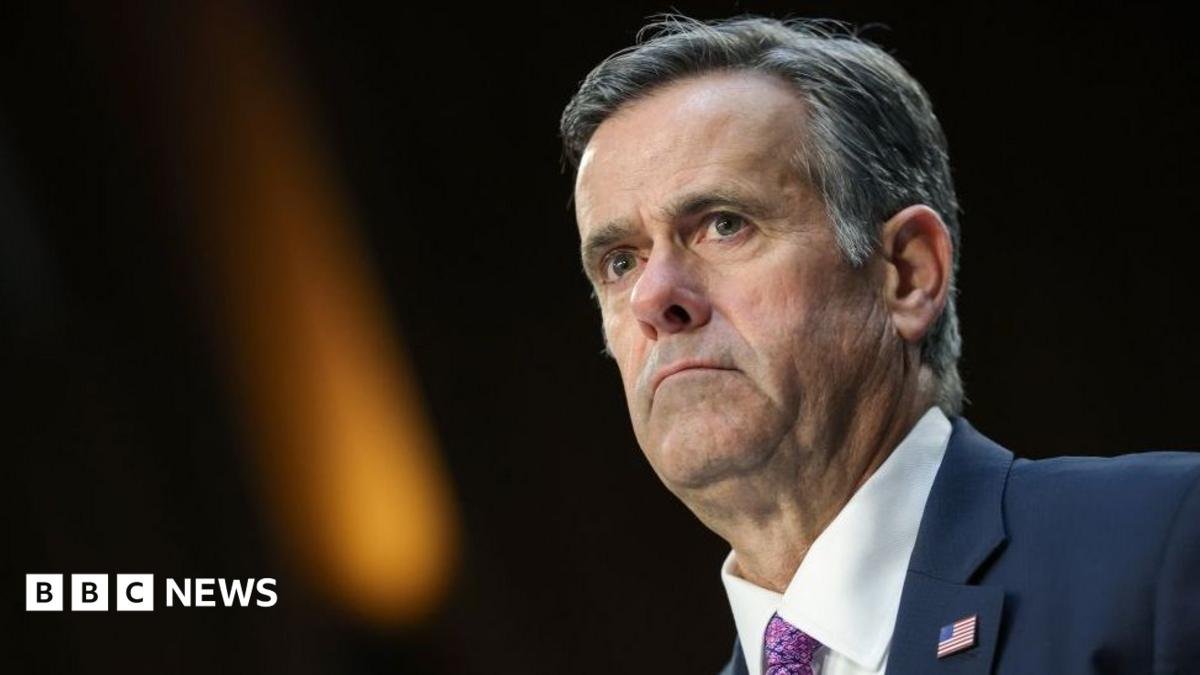
With rising tensions between the West and Moscow, the recent unannounced visit of the CIA chief to Moscow raises eyebrows. While the exact purpose of this trip remains shrouded in ambiguity, it may have served to remind Russian officials of the United States’ unwavering commitment to NATO’s Article 5, which stipulates mutual defense among member countries. The visit could also have involved discussions on various topics, such as military cooperation with Iran, prisoner exchanges, or the potential for mobilization of Russian forces.
What remains undisputed is that this unexpected trip occurred at a time of heightened geopolitical friction, suggesting that significant developments may be on the horizon.
Conclusion
The interplay between NATO and Russia, especially regarding the Baltic States, is fraught with tension and uncertainty. Understanding the implications of Russia’s military strategies and the U.S. response mechanisms is vital for global stability. The situation continues to evolve, keeping world leaders on high alert.
- The Suwalki Gap is crucial for Baltic States’ defense against Russian aggression.
- Russia’s military doctrine involves tactical nuclear weapons as part of its strategy.
- The CIA’s recent visit to Moscow may serve as a reminder of U.S. commitments to NATO.
- The geopolitical landscape in Eastern Europe remains tense and unpredictable.