

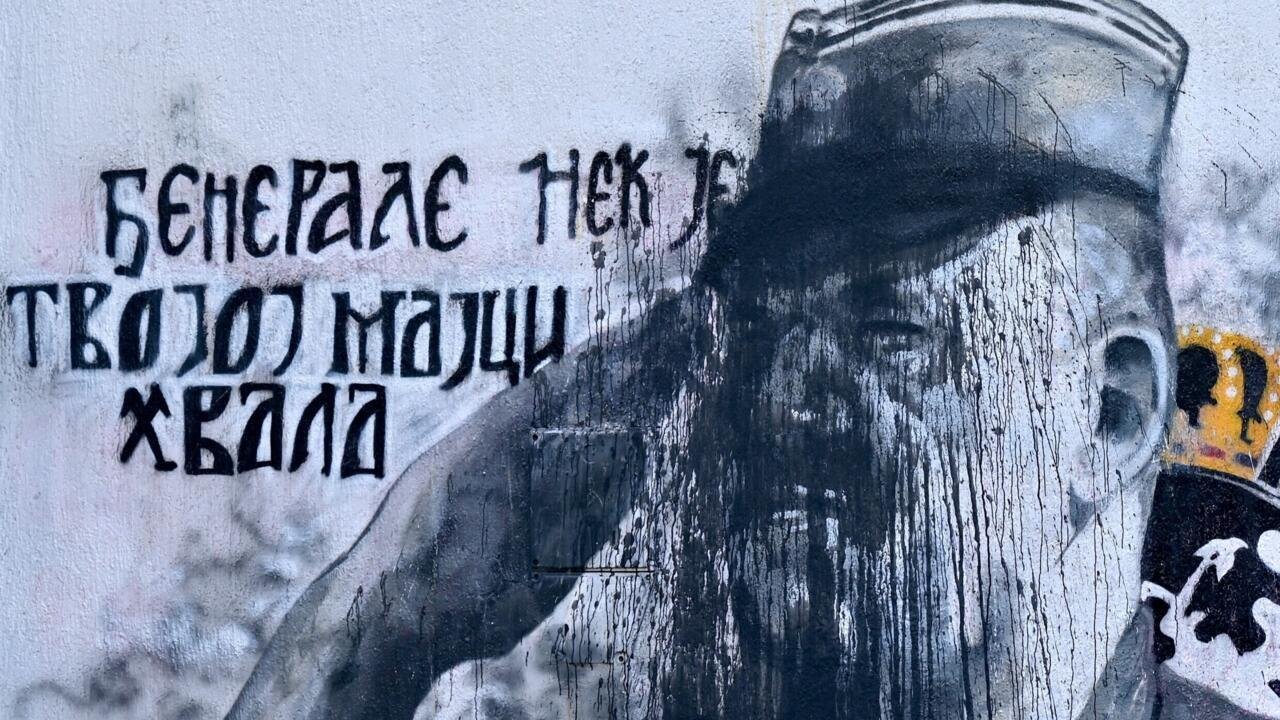
The Death of Ratko Mladic: A Notorious Figure in History
Ratko Mladic, the infamous former military leader of the Bosnian Serbs, has passed away, as confirmed by Serbian state broadcaster RTS. Known as the “Butcher of Bosnia” for his key role in the devastating Srebrenica massacre in 1995, his death marks a significant moment in the historical narrative of the Yugoslav Wars. Mladic had been serving a life sentence in The Hague for crimes that included genocide, war crimes, and crimes against humanity.
The Legacy of Ratko Mladic
Mladic’s health had been declining over the past few months, suffering from multiple strokes, which led to appeals from Serbian state officials and his family for his release. However, their requests were denied by the tribunal in The Hague.
The Context of His Actions
Mladic was part of a notorious triumvirate alongside ex-Yugoslav president Slobodan Milosevic and former Bosnian Serb leader Radovan Karadzic. This group played a pivotal role during the chaotic disintegration of Yugoslavia following the fall of communism. The conflict, which lasted from 1992 to 1995, resulted in the loss of approximately 100,000 lives and left 2.2 million individuals displaced from their homes.
The Srebrenica Massacre
The most harrowing atrocity associated with Mladic’s leadership occurred in Srebrenica, where Serbian forces under his command executed roughly 8,000 Bosnian Muslim men and boys. This massacre took place in a designated UN-protected safety zone, raising profound questions about international intervention and the protection of civilians in conflict.
Conclusion
The death of Ratko Mladic closes a dark chapter in the history of the Balkans. As the world reflects on the events of the 1990s, it is essential to remember the lessons learned from such tragedies to prevent them from being repeated.
- Ratko Mladic, known as the “Butcher of Bosnia,” has died while serving a life sentence in The Hague.
- He was a key figure in the Bosnian War and the Srebrenica massacre, one of Europe’s worst atrocities since World War II.
- Mladic’s declining health led to calls for his release, which were ultimately rejected.
- The conflict he was a part of resulted in around 100,000 deaths and the displacement of millions.