

Understanding the Controversies Surrounding the AfD’s Political Stance
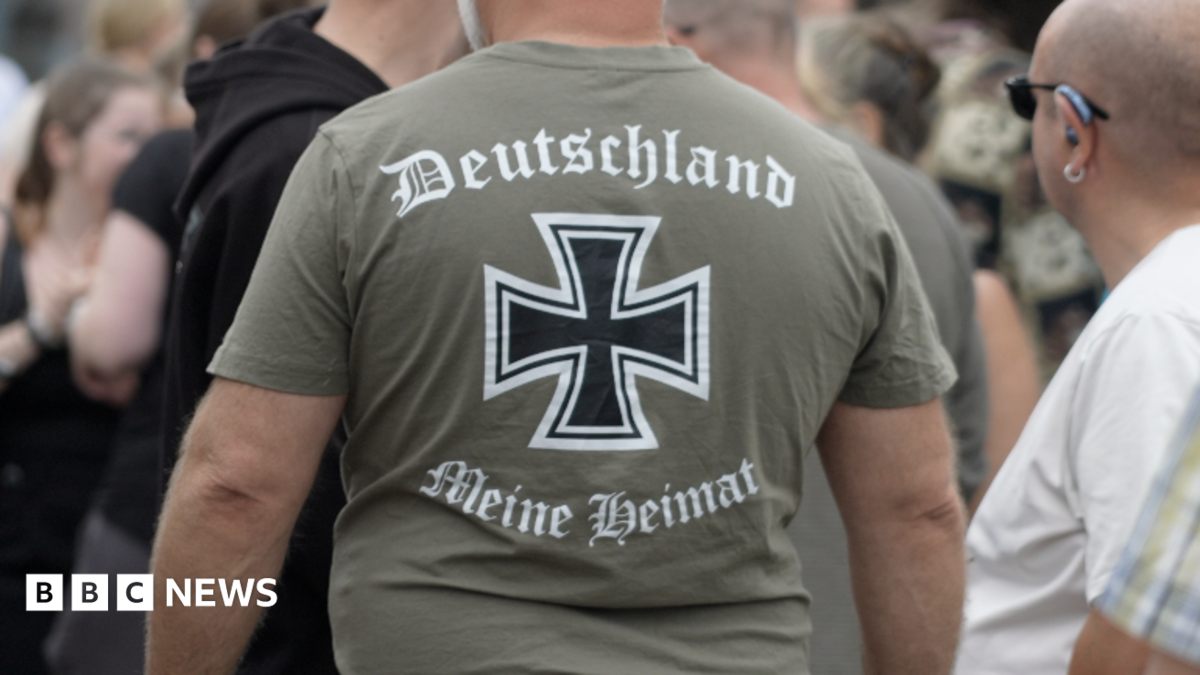
The Alternative for Germany (AfD) has long faced accusations of extremism, often drawing unfavorable comparisons to historical National Socialism. As we look ahead to 2024, discussions about banning the party have intensified, particularly after allegations surfaced regarding prominent members’ associations with figures such as Austrian far-right activist Martin Sellner. This article delves into these controversies, the AfD’s stance on “remigration,” and the implications for cultural funding in Germany.
Renewed Calls for a Ban on the AfD
In recent developments, there have been intensified calls to prohibit the AfD from operating in Germany. This renewed scrutiny follows revelations that key party members, including Ulrich Siegmund, attended a gathering where Sellner was present. Although Sellner has acknowledged a problematic past rooted in neo-Nazi ideology, he has since characterized his earlier beliefs as youthful mistakes. Today, he promotes the idea of “remigration,” a term that has generated considerable debate over its meaning, largely interpreted as advocating for mass deportations or the forced repatriation of immigrants.
The AfD’s Position on Remigration
The AfD maintains that its approach to “remigration” is lawful and primarily targets individuals categorized as criminals or those residing in the country without legal status. When questioned by the BBC about his relationship with Sellner, Siegmund stated that he hadn’t been in contact with him since their solitary meeting, which took place in Potsdam, near Berlin, in 2023.
Cultural Implications and Artistic Freedom
Critics of the AfD are vocal about the striking similarities between the party’s proposed policies for Saxony-Anhalt and the oppressive cultural practices of the Nazi regime. A contentious aspect of their agenda involves cutting financial support for what they describe as “anti-German” art. This term echoes the Nazi regime’s stringent control over artistic expression, exemplified by events like the 1937 “Degenerate Art Exhibition,” which targeted deemed unacceptable artworks.
Voices from the Arts Community
Frank Martin Widmaier, director of a local theater in Eisleben, expresses deep concerns regarding the AfD’s proposals. He questions the criteria that label artwork as insufficiently “German,” pondering the implications of such judgments. Widmaier emphasizes the dependency of most theaters on state funding and perceives the AfD’s interpretations as both ambiguous and potentially threatening. “This is playing with Nazi propaganda,” he argues, warning against the intimidation that such policies could instigate in cultural institutions.
While the AfD asserts that laws safeguarding artistic freedom remain intact, they argue that taxpayer subsidies should ideally support art that fosters a cohesive German identity.
Conclusion
The controversies surrounding the AfD highlight significant tensions in modern German politics, particularly concerning immigration policies and cultural funding. As the party grapples with its image and internal relationships, the ramifications of its policies continue to spark debate and concern among various sectors of society.
- The AfD has faced ongoing accusations of extremism and connections to National Socialism.
- Calls to ban the party have increased, linked to its associations with far-right figures.
- The party’s “remigration” policy is focused on legal deportations but raises ethical questions.
- Cultural funding discussions evoke historical parallels to Nazi-era restrictions on art.