

The Ongoing Threat of Drone Attacks on Civilians in Ukraine
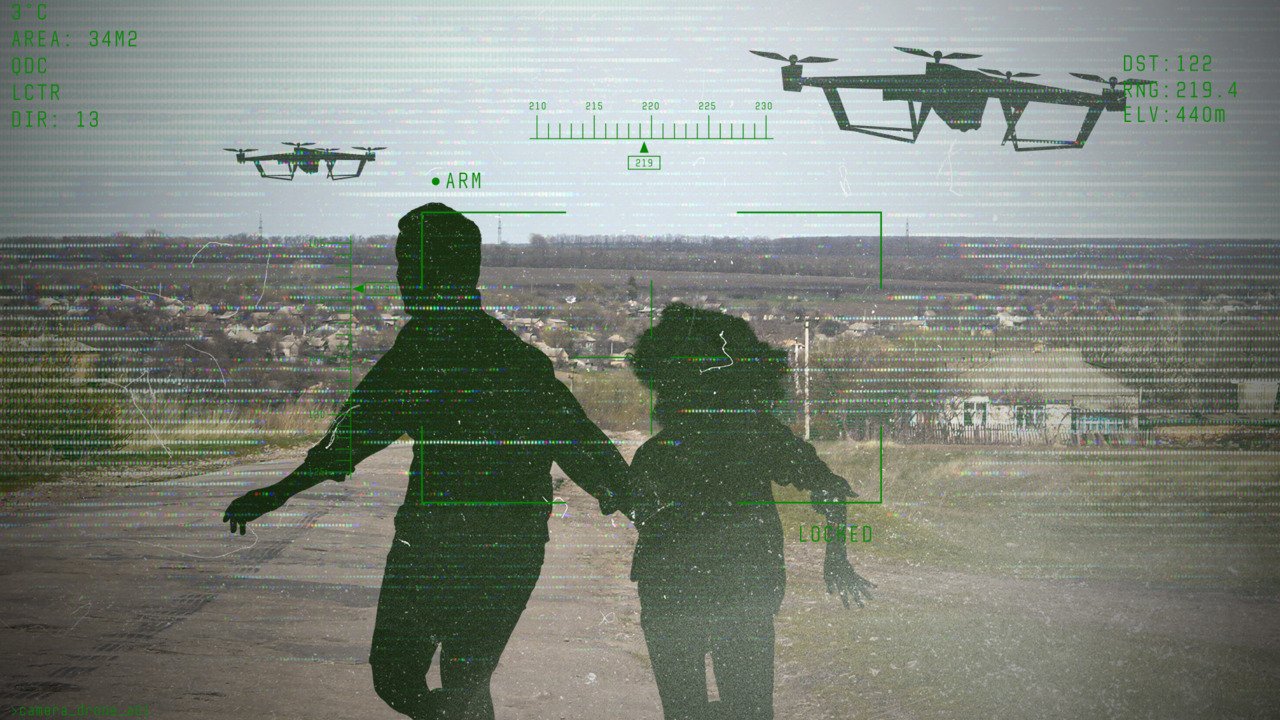
In a harrowing incident, a young cyclist in Ukraine faced an unexpected confrontation with a Russian drone. Caught off guard, the cyclist’s initial reaction was a clumsy attempt to escape as the drone approached. While the footage abruptly ends before the impact, the accompanying commentary from Russian soldiers indicates the tragic outcome. This incident, shared widely on social media, exemplifies the disturbing trend of drone attacks targeting civilians, which has earned the ominous nickname of “human safaris.”
A Disturbing Trend: The Reality of ‘Human Safaris’
The young Ukrainian cyclist, dressed in civilian attire and unarmed, resembled any typical individual cycling through a rural area. However, independent Russian media outlet Astra quickly condemned the military’s narrative, accusing them of misrepresenting the cyclist as a combatant. The video spurred outrage online, with prominent figures, including ex-chess champion Garry Kasparov, sharing it to highlight the apparent cruelty of Russian operations. Less than two days later, the Russian military removed the video following the backlash.
This drone-centric aggression is not new. For the past two years, Russian drones equipped with explosives have targeted civilians indiscriminately. The term “human safaris” has become synonymous with these deadly pursuits, which many experts say demonstrate Russia’s ongoing impunity.
The Evolution of Drone Warfare
The escalation of drone attacks appears to have begun in July 2024 in Kherson, located along the Dnipro River. According to Will Kingston-Cox, an expert on the conflict, isolated incidents evolved into a systematic campaign targeting civilians. These drone operators, initially using small quadcopters to follow and drop explosives on individuals, have graduated to employing first-person view (FPV) drones that broaden the scale and frequency of attacks across various regions.
Those living in Kherson now live under the constant threat of drone strikes, a fear that reverberates through the community. Eyewitness accounts reveal a pervasive sense of anxiety that is nearly overwhelming. People have adjusted their behavior dramatically, choosing to venture out only during inclement weather—conditions under which drones are less effective.
As Olga Tokariuk, a specialist at Chatham House, notes, residents describe rushing to their cars without using seatbelts; the urgency born from a need to escape a looming drone strike weighs heavily on their minds.
International Reaction and Consequences
The United Nations has condemned these practices as war crimes, emphasizing the deliberate targeting of civilian populations. Ivan Klyszcz, a defense expert, points out how this aggression extends to vital community structures such as hospitals and shops, which intensifies the pressures forcing civilians to flee their homes.
The UN’s reports indicate that nearly 150 civilians have died from drone strikes in Kherson since late 2024. Veronika Hinman, a researcher at the University of Portsmouth, suggests that while it’s uncertain whether such attacks represent official military strategy, there seems to be a level of tolerance from military leadership towards these methods.
The Broader Impact of Drone Warfare
Although Kherson is a notorious focal point for these operations, reports indicate that drone attacks have spread to other regions such as Sumy and Kharkiv. Tokariuk asserts that the drone operators are fully aware they are targeting civilians, capturing real-time footage as they pursue their prey.
Hinman raises concerns that these actions may also serve as a crude training exercise for Russian troops and a means to strengthen resolve among those piloting the drones. The choice to attack civilians allows for the normalization of such tactics within the military.
The public sharing of these attacks on social media can also serve as a grim form of propaganda, incentivizing financial support for further drone operations. However, Kingston-Cox suggests that the weekend’s incident backfired. The discrepancy of targeting an unarmed civilian raised both reputational concerns and substantial evidence against the military, suggesting that the video was removed in an effort to mitigate fallout.
Despite this incident drawing attention, Tokariuk fears it won’t deter future drone assaults. The inexpensive and effective nature of drone warfare means these tactics are likely here to stay. She emphasizes that the prevailing impunity could inspire similar strategies elsewhere, with civilians remaining vulnerable and defenseless.
Conclusion
The grim saga of drone warfare in Ukraine illustrates an unsettling evolution in military tactics aimed at civilians. The implications of these “human safaris” extend far beyond individual incidents and pose a significant threat to civilian safety, making it crucial for the global community to remain vigilant.
Key Takeaways
- Drone attacks on civilians in Ukraine are increasing, labeled as “human safaris.”
- Reports detail the psychological impact and survival tactics adopted by targeted individuals.
- The UN decries these actions as war crimes, emphasizing their impact on civilian infrastructure.
- The ongoing nature of these attacks raises concerns about future repetitions in other conflicts.