

Yabloko Party Barred from Elections Amid Protests
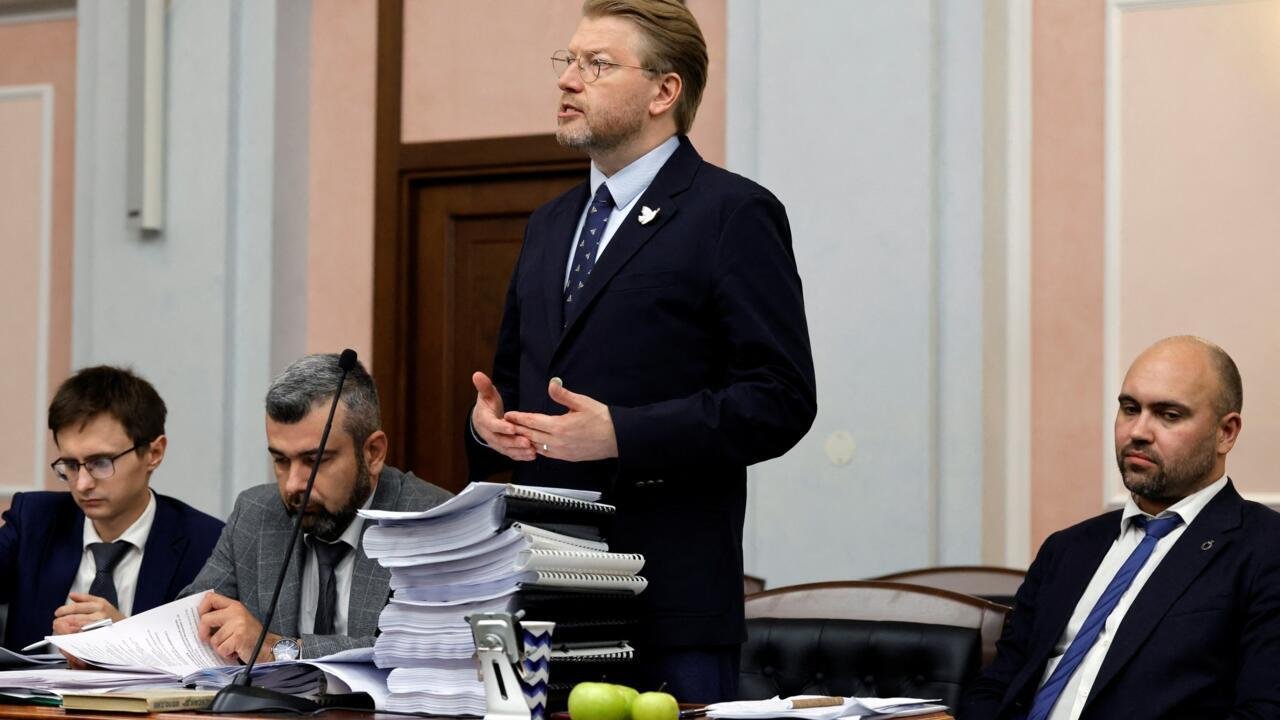
In a recent development that underscores the state of democracy in Russia, the Supreme Court upheld its ruling to prevent Yabloko, the nation’s sole anti-war party, from participating in the upcoming legislative elections in September. This decision was met with significant protests outside the courthouse, where numerous party supporters were detained.
Court Ruling and Its Implications
Last week, the court officially removed Yabloko from the electoral ballot, responding to a lawsuit filed by a nationalist party that criticized Yabloko for its pacifist stance. The nationalists accused the party of accepting foreign funding and violating copyrights. In a statement, Yabloko confirmed that the Appeals Chamber of the Supreme Court had upheld the decision to annul its federal list of candidates for the State Duma elections. The party announced its intention to pursue a supervisory review of this ruling.
Protests and Detentions
During the court proceedings, law enforcement aggressively removed supporters and journalists from the area. Kirill Goncharov, the head of Yabloko’s Moscow branch, shared with the media that many supporters had been detained, estimating the number to exceed 60 individuals. Some younger protesters were released shortly after their detention. In the courtroom, party leader Nikolay Rybakov condemned the arrests, labeling them as a tactic of intimidation.
Public Reactions
The ban on Yabloko effectively eliminates a critical option for voters who oppose the ongoing war in Ukraine. Yevgeny Lyapin, a bystander at the protest, expressed his concern over the decline of democracy in the country, stating that he simply wanted to support “what is left of a declining democracy.” Another young supporter, 18-year-old Maria, voiced her desire for a democratic Russia amidst the current political climate, reflecting a broader yearning for freedom among the youth.
Additional Legal Battles
In a related legal matter, Yabloko’s deputy chairman Lev Shlosberg has been sentenced to over 11 years in prison for comments that criticized Moscow’s military actions in Ukraine. With most of President Vladimir Putin’s political adversaries either imprisoned, in exile, or deceased, Yabloko stands as the last liberal party actively operating within Russia.
Conclusion
The situation surrounding Yabloko and its ban from the upcoming elections highlights the ongoing challenges faced by political opposition in Russia. As protests unfold and detentions increase, the shadow on democracy only grows deeper.
Key Takeaways
- The Supreme Court in Russia has barred the Yabloko party from the legislative elections.
- Protests erupted outside the courthouse, leading to the detention of numerous supporters.
- Yabloko plans to fight the court’s decision through a supervisory review.
- The remaining liberal voices in Russia face increasing repression.