

The Catalan Identity: Celebrating Language and Culture
The story of Catalonia is one woven with history, culture, and a longing for independence. When we met Pau, a former Catalan independence activist, he vividly expressed his connection to his identity: “The only Spanish thing about me is my identity card.” His words set the tone as we explored the rich cultural landscape of Catalonia, especially during the vibrant Cabro Rock festival.
A Cultural Revival at Cabro Rock
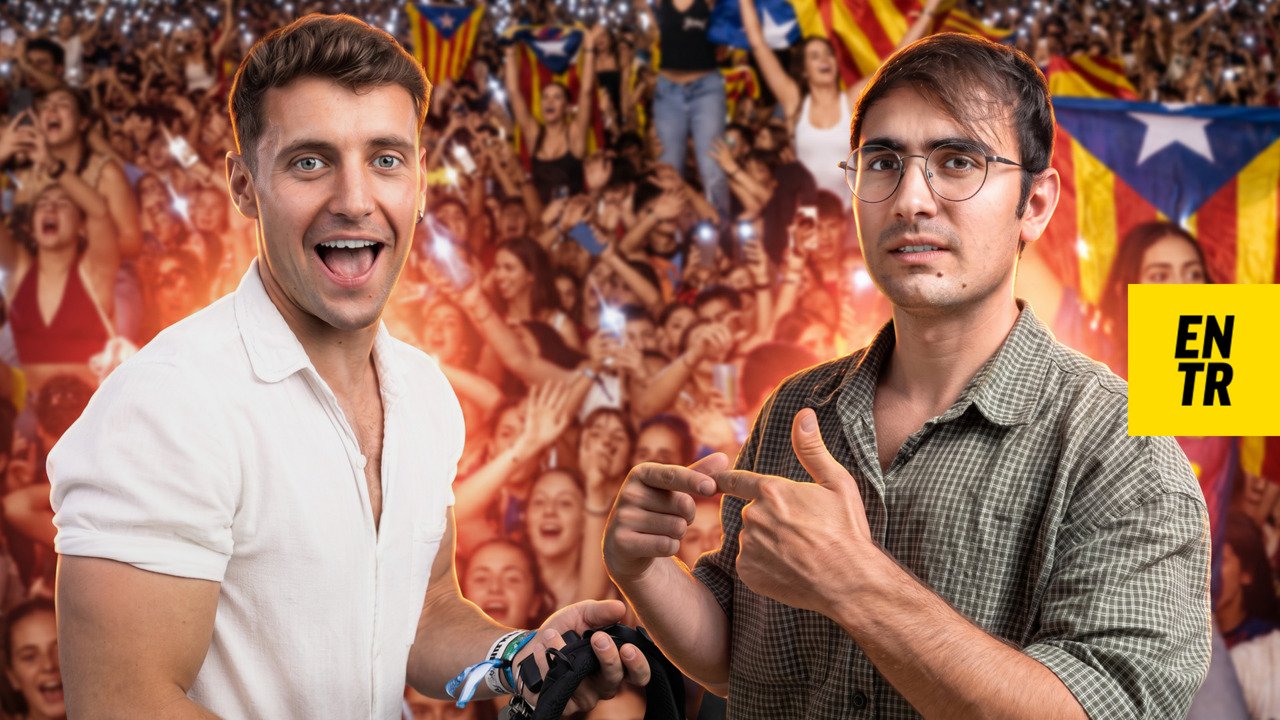
In the heart of Catalonia, the town of Vic hosts the annual Cabro Rock festival, aimed at showcasing and nurturing Catalan music and identity. Upon our arrival, we quickly recognized that the Catalan spirit was alive and well. The atmosphere was saturated with the red and yellow stripes of the Catalan flag, and even the vendors responded predominantly in Catalan, rather than Spanish.
One of the highlights of the evening was meeting Joan, known as KZU Music, who was electrifying the crowd as a DJ. A lifelong advocate for independence, Joan utilizes music as his platform for activism. He gained recognition by remixing traditional Catalan songs, emphasizing his mission: “Under my posts [on social media], there are lots of comments saying: ‘You’re doing more for the Catalan language and for Catalonia than most Catalan politicians’,” he shared with a smile.
Festival attendees flock to Cabro Rock not only for the music but to celebrate their Catalan heritage: “Now that there are so many Catalan bands, we need to support them,” explained a festival-goer. “It’s essential that the culture is appreciated not just in Barcelona but throughout central Catalonia.”
The Political Landscape
The upbeat vibe of Cabro Rock was a sharp contrast to the complicated political backdrop that Catalans have faced. On October 1, 2017, despite a crackdown from the Spanish government, over two million Catalans participated in a referendum that sought to determine whether the region could declare independence. Pau, then an active member of a pro-independence student organization, played a crucial role in organizing the event.
Pau recalls the fervor of that time: “In 2017, we felt that Spain would make no concessions… The push for independence allowed us to envision a different future for Catalonia, and to tackle vital issues like education and healthcare.” However, the Spanish government deemed the referendum unconstitutional, suspending Catalonia’s autonomy and imposing direct rule, which led to widespread protests.
Two years later, charges were brought against several Catalan leaders who had spearheaded the referendum, with some facing severe penalties. This disillusionment with political avenues led many activists to reassess their strategies for advocating independence.
Catalan Language Initiatives
Today, Pau sees the fight for the Catalan language as paramount. “Barcelona’s tourism boom has made it harder to engage in conversations in Catalan,” he reflected. “I sometimes find it challenging to order a coffee there and be understood in my own language.” However, he remains optimistic, noting that more and more young people are becoming passionate about preserving Catalan.
“Many youngsters are creating music, films, and even social media content in Catalan,” Pau observed. “That sense of enthusiasm offers hope.” Joan echoed this sentiment, hoping that more people recognize the importance of speaking Catalan. “If we don’t use it, nobody will. It’s crucial we make our language visible every day, and I firmly believe that one day we will achieve independence.”
Currently, Catalan is spoken by over 10 million people in Europe, with more than eight million residing in Spain. Despite this, it has yet to be recognized as a national language either in Spain or by the EU, remaining only an official regional language, as the Catalan struggle for acknowledgment continues.
Conclusion
The flourishing of Catalan culture amidst political challenges showcases the resilience and passion of its people. The fight for language, identity, and independence is not merely a political endeavor; it is an enduring cultural movement that continues to inspire hope for future generations.
- The Cabro Rock festival highlights the importance of Catalan music and culture.
- 2017 marked a significant moment in Catalonia’s independence efforts with a large-scale referendum.
- Pau and Joan represent a new generation focused on preserving the Catalan language.
- Catalan is spoken by over 10 million people, yet remains an unofficial language in Spain.