

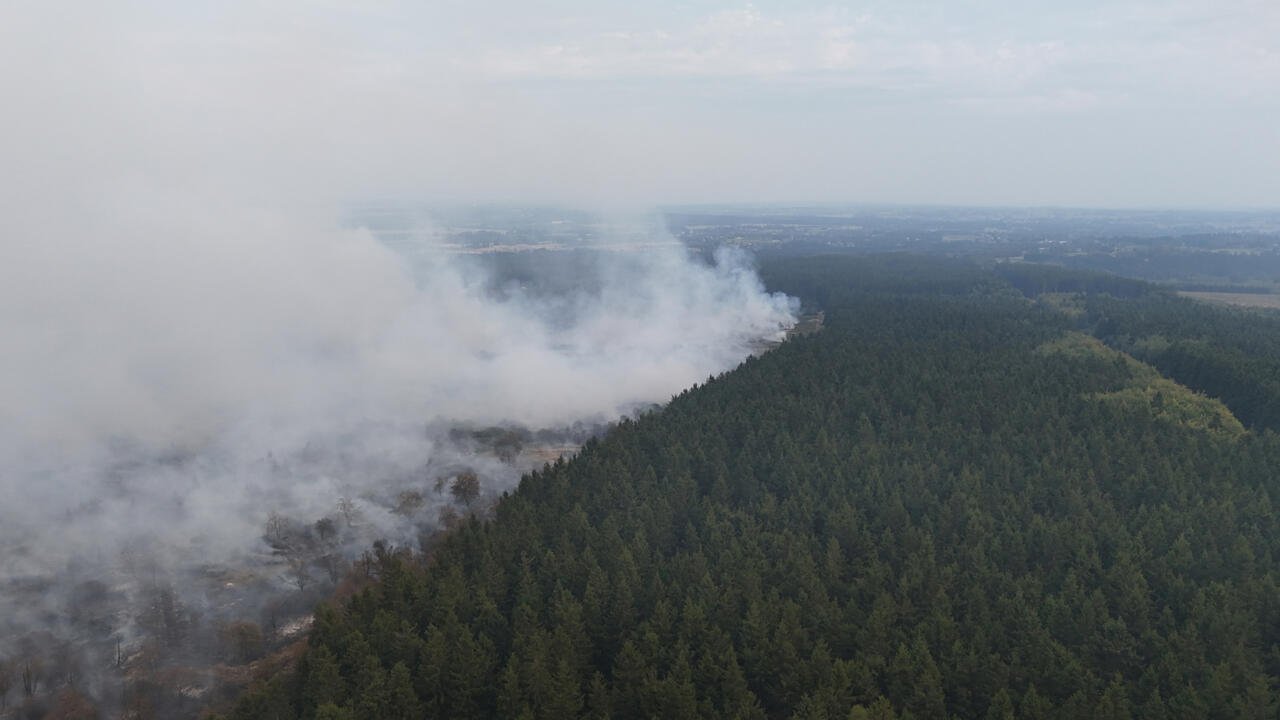
Major Wildfire Forces Evacuations in Eastern Belgium
On Saturday, eastern Belgium faced urgent evacuation orders as firefighters confronted one of the most devastating wildfires in the nation’s history. The blaze transformed extensive nature reserves into charred landscapes, requiring reinforcements from across Belgium and beyond. This article delves into the details surrounding this catastrophic event, highlighting the ongoing battle against the fire and its implications for local communities.
The Outbreak of the Blaze
The fire erupted on Friday in the High Fens park, located near the German border, and escalated quickly. Helicopters and water bombers arrived from various EU nations to assist firefighting efforts. Authorities described this incident as the most significant wildfire in Belgium’s recent past, reminiscent of large-scale fires that ravaged the same region in 1911 during a period of severe heat and drought.
Scale of the Damage
By late Saturday, the flames had consumed over 2,700 hectares (approximately 6,700 acres), swelling from a mere 80 hectares the day before, according to local officials.
Firsthand Accounts from the Community
David Rodolfs, a restaurant owner in Waimes, shared his experience, stating, “You can’t see a thing anymore; there’s smoke everywhere.” His customers were prompted to leave as ash fell onto their tables. “No dessert, everyone had to go,” he added, expressing the urgency of the situation.
Evacuations and Emergency Measures
As a precaution, residents from nearby villages, particularly Sourbrodt and Buetgenbach, were ordered to evacuate. Reports indicated that around 600 individuals were directed to leave. The local gymnasium in Malmedy was opened to provide shelter and basic necessities such as food, water, and a place to rest, especially for the most vulnerable, according to Romane Bouhaben of the Belgian Red Cross.
People in the vicinity were also advised to stay indoors and keep windows closed as the situation remained tense. Nicolas Yernaux, a spokesperson for regional authorities in Wallonia, emphasized the fire’s lack of containment and the potential threat to nearby homes. “There is a risk that the fire could reach homes, but we are deploying all available resources to protect them,” Yernaux noted.
Government Response and International Support
In light of the crisis, Belgium activated the European Union’s civil protection mechanism for aid, requesting both personnel and equipment from across Europe. A Dutch helicopter was already on-site, with additional resources arriving from Sweden, emphasizing the widespread impact of climate change.
Challenges Faced by Firefighters
The unique terrain of the fens—characterized by heathlands, peat bogs, and raised wooden walkways—presented significant challenges for firefighting efforts. Firefighters had to withdraw to the edges of the forest, allowing part of the heathland to burn due to the area’s inaccessibility.
Community Solidarity and Weather Conditions
In a show of communal support, many local farmers have taken to social media, sharing images of their efforts to aid emergency responders. Belgian Interior Minister Bernard Quintin expressed his astonishment at the rapid destruction, while also acknowledging the vital contributions of local farmers who were actively working to dampen the affected areas.
Recent weather patterns across Europe have seen intense heatwaves, with temperatures surging to 37 degrees Celsius in parts of Belgium. Undoubtedly, this wildfire is closely tied to another significant blaze in western Germany, which has already led to the evacuation of around 1,800 people as flames encroach on residential areas.
Conclusion
The fires in eastern Belgium underscore the escalating threat of wildfires exacerbated by climate change, calling for heightened awareness and readiness within communities. As temperatures rise, the risks associated with wildfires become ever more pronounced, necessitating both immediate action and long-term strategies for prevention and response.
- The wildfire in eastern Belgium has led to hundreds of evacuations.
- Over 2,700 hectares have been burned, significantly impacting local nature reserves.
- Community efforts, including support from farmers, have played a crucial role in firefighting efforts.
- This wildfire highlights the growing threat of climate change across Europe.