

Rising Tensions in the Black Sea: Food Security Threats and Military Escalations
Ukrainian President Volodymyr Zelenskyy recently highlighted alarming food supply risks for Egypt and other nations in Africa and the Middle East, resulting from Russian attacks on cargo vessels in the Black Sea. In a message shared on social media, he emphasized how Ukraine serves as a vital food supplier for many countries, underscoring the serious threat posed by the ongoing conflict with Russia. Zelenskyy mentioned that reduced supplies could lead to severe price hikes and shortages, and he expressed a commitment to collaborate with Egypt to find solutions.
Russia’s Response to Calls for Ceasefire
In a stark dismissal, Russia stated it sees no need for a ceasefire in the Black Sea, rejecting any notion of “half-measures” that might ease the situation for Ukraine. Speaking for the Russian foreign ministry, spokesperson Maria Zakharova attributed blame to Ukraine for what she called “brazen acts of terrorism” against maritime activities, neglecting to mention Russia’s own military actions. She characterized Ukraine’s tactics as part of a strategy to destabilize civilian shipping in the region, reiterating that the situation shows no signs of improvement.
Impact on Global Grain Prices
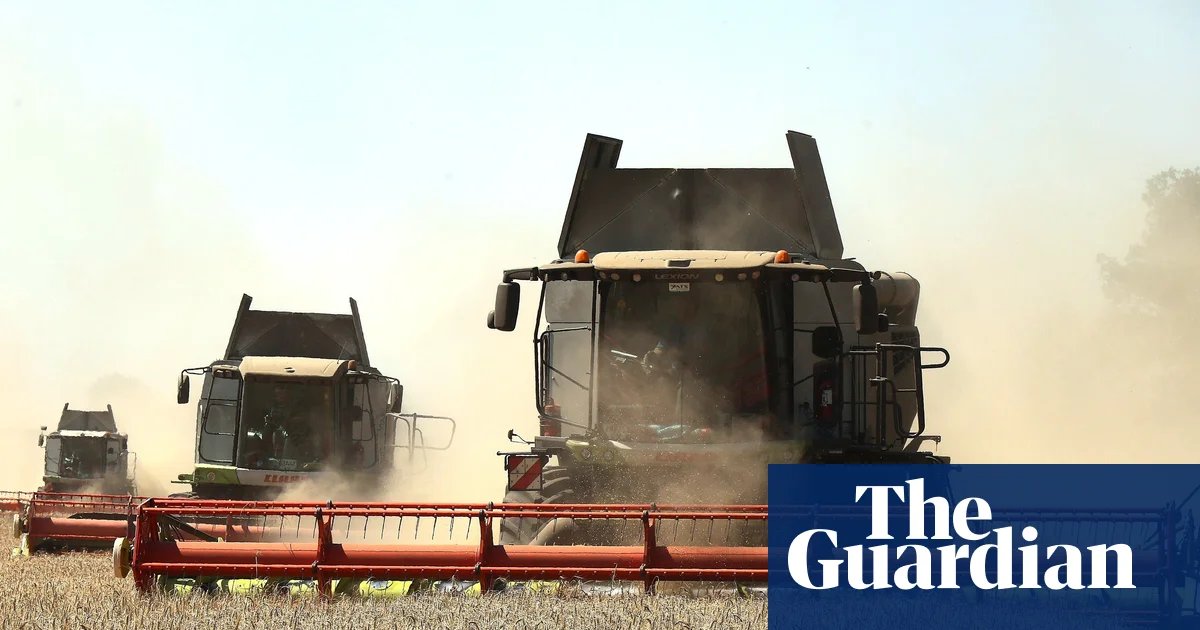
Both Russia and Ukraine have escalated their operations against commercial ships in the Black Sea, contributing to rising global grain prices. This escalation comes in response to Ukraine’s proposal suggesting that both nations cease their attacks on civilian vessels, likely an effort to revive a critical grain corridor. Reports indicate that this proposal was communicated through an intermediary.
Disinformation Campaign Against Ukraine
Amid the military tensions, Russia has ramped up its online disinformation efforts in Poland, exploiting historical disputes over World War II atrocities to exacerbate fractures in Polish-Ukrainian relations. The propaganda, predominantly disseminated via Polish social media channels, aims to stir resentment against refugees and plays into the rising popularity of far-right sentiments ahead of Poland’s upcoming parliamentary elections in 2027.
The Volhynia Massacres Dispute
The contentious issue between Poland and Ukraine revolves around the Volhynia massacres, during which Poland accuses Ukrainians of killing approximately 100,000 Poles between 1943 and 1945. Tensions heightened further when President Zelenskyy honored an army unit named after those involved in the massacres, prompting Polish President Karol Nawrocki to retract a significant Polish honor previously awarded to Zelenskyy.
Fuel Supply Challenges in Russia
On the domestic front, Russian authorities acknowledged emerging petrol shortages in certain regions as Ukraine continues to target Russian oil refineries. Following a recent attack, one large refinery in Orsk, located around 1,300 km from the frontlines, has been shut down for six months. The Russian government confirmed that the fuel supply situation remains strained in various areas, but reassured that oil companies were taking necessary actions to bolster delivery to regions in need.
Civilian Casualties and Military Attacks
Tragically, a recent drone strike in northern Ukraine resulted in the deaths of a 29-year-old woman and her 9-year-old son. This attack occurred shortly after the United Nations reported that July marked the deadliest month for Ukrainian civilians since the initial weeks following Russia’s invasion, with at least 437 fatalities and 2,610 injuries. Concurrently, Ukrainian drones have targeted key infrastructure in Russia, including a major port located north of Moscow.
Increased Drone Activity in Romania
In a related incident, Romania discovered a second unmanned drone in its territory, specifically in the village of Plauru near the Danube border with Ukraine. This discovery follows a prior instance where a low-flying drone went undetected before crashing. The Romanian defense ministry did not clarify the drone’s origins, though it has noted multiple incursions into its airspace by Russian drones over the past four years.
Strengthening Ties Between Russia and North Korea
In another development, Russian President Vladimir Putin expressed to North Korean leader Kim Jong-un that their nations are working closely together to enhance regional stability and security. Putin conveyed his confidence in the constructive cooperation between Russia and North Korea, as reported by state media. This message coincided with Kim’s visit to commemorate Soviet soldiers who fought against Japan during World War II.
Conclusion
As tensions continue to rise in the Black Sea region, the geopolitical landscape remains fraught with challenges. While the threat to food supplies and the escalation of military actions contribute to regional instability, both nations remain determined in their efforts, affecting not only their own citizens but also impacting global food security and international relations.
Key Takeaways
- Zelenskyy warns of potential food supply risks for Egypt due to Russian assaults.
- Russia refutes calls for a ceasefire, attributing blame to Ukraine for actions against maritime activities.
- Disinformation campaigns in Poland aim to deepen historical tensions and influence political sentiments.
- Ongoing attacks are impacting both civilian lives and oil supply chains within Russia and Ukraine.