

Strengthening Defense Alliances in the Middle East
In a significant move, Saudi Arabia, Pakistan, and Turkiye have come together to forge a joint defense agreement, underscoring their commitment to mutual security amidst rising tensions in the region. Recent announcements from the Turkish defense ministry provide insights into this collaborative effort, which aims to enhance military cooperation and conduct joint exercises.
Details of the Defense Agreement
This new pact marks an essential step in deepening security cooperation among three of the largest economies in predominantly Muslim nations. As military tensions escalate in the Middle East, the agreement outlines plans for coordinated military operations and increased collaboration between their respective defense industries.
Collective Defense Clause
According to Pakistan’s foreign ministry, the agreement includes a mutual defense clause akin to NATO’s Article 5. This stipulates that an armed attack on any of the three partner nations will be viewed as an attack on all of them, thus solidifying their collective security commitment.
Strategic Implementation
During a briefing in Ankara, Turkey’s defense ministry emphasized that the aim of this pact is to establish a more systematic and sustainable defense relationship. Plans are in place to form strategic political and military frameworks involving the defense ministers and armed forces leaders of the three nations, ensuring high-level coordination.
Key Visits Leading to the Agreement
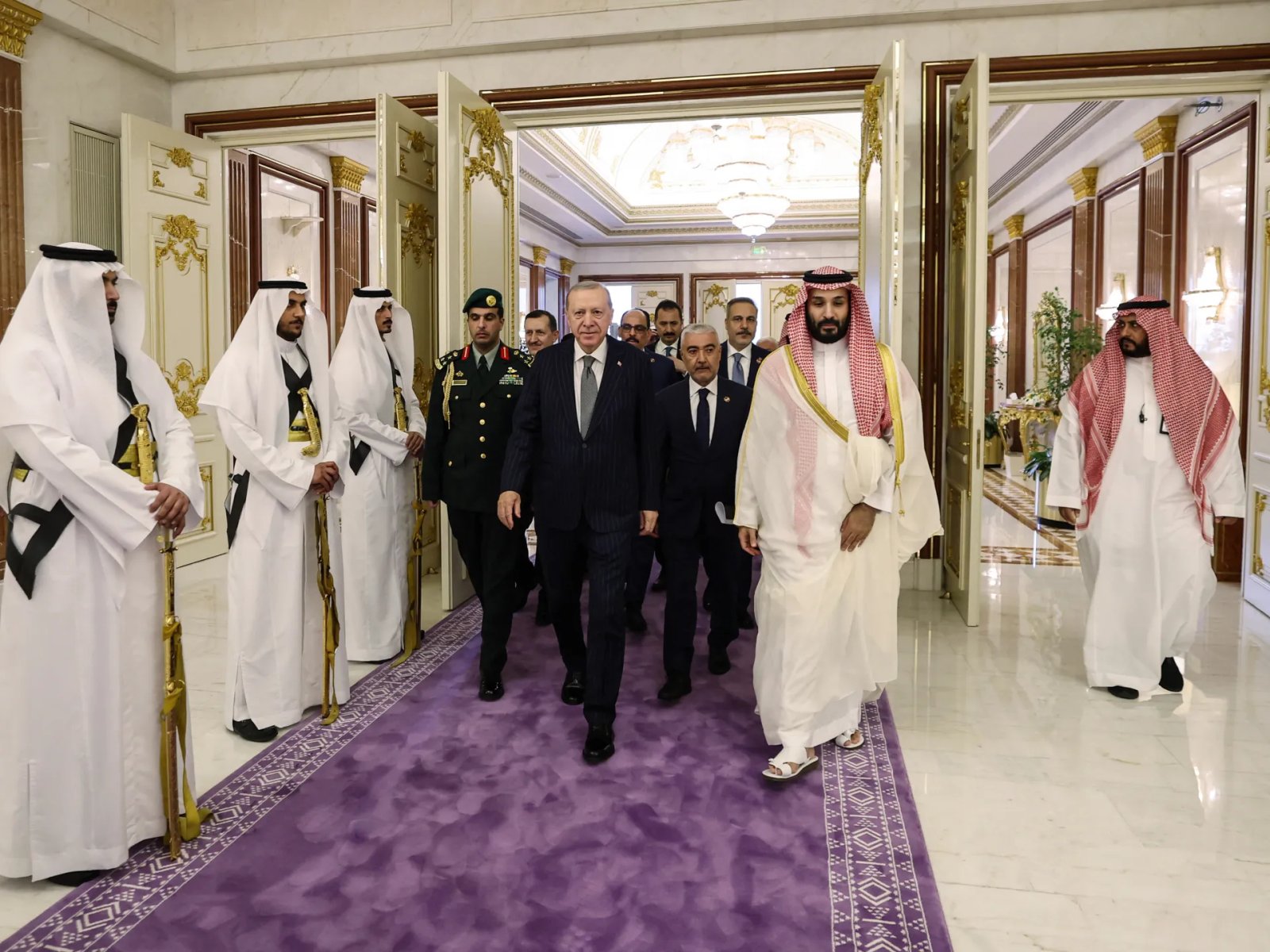
The agreement follows a recent visit by Pakistan’s Prime Minister, Shehbaz Sharif, who was accompanied by army chief Asim Munir for the Umrah pilgrimage in Mecca. Simultaneously, Turkish President Recep Tayyip Erdogan visited Saudi Arabia to further discussions with Crown Prince Mohammed bin Salman, highlighting the diplomatic engagements that paved the way for this defense alliance.
Potential for Expansion
With NATO’s second-largest military backing the pact, Turkiye has indicated that the collaboration with nuclear-capable Pakistan and oil-rich Saudi Arabia is open for further expansion, with Egypt being mentioned as a potential future member. Notably, this alliance does not aim to replace any existing security partnerships.
Lessons from Similar Defense Pacts
While this mutual defense pact finds parallels in various regional alliances, historical records show that while they can deter large-scale interstate conflicts, their effectiveness often diminishes during periods of “grey zone” conflicts — scenarios which involve military occupations, proxy wars, or internal strife. Experts argue that such agreements frequently serve more as a political statement rather than a solidified commitment to collective defense.
Historical Context of Defense Alliances
To draw parallels, the North Atlantic Treaty Organization (NATO), formed in 1949, emerged during the Cold War to counter Soviet aggression. It has expanded over decades and is viewed as a crucial deterrent in international conflicts. Similarly, the Arab League’s 1950 mutual defense treaty, while established on paper, has had varying successes in practice.
Conclusion
The defense agreement between Saudi Arabia, Pakistan, and Turkiye signifies a bold step towards enhancing regional security cooperation. As these nations navigate a complex geopolitical landscape, their collaboration could redefine military alliances in the Middle East, highlighting the intricacies and challenges of collective defense.
Key Takeaways
- The joint defense agreement emphasizes mutual security among Saudi Arabia, Pakistan, and Turkiye.
- It includes a collective defense clause, mirroring NATO’s Article 5.
- Plans for expanded military cooperation and joint exercises are on the horizon.
- The pact presents potential for further expansion to include other nations like Egypt.