

Europe Faces Its Fifth Heatwave of the Summer
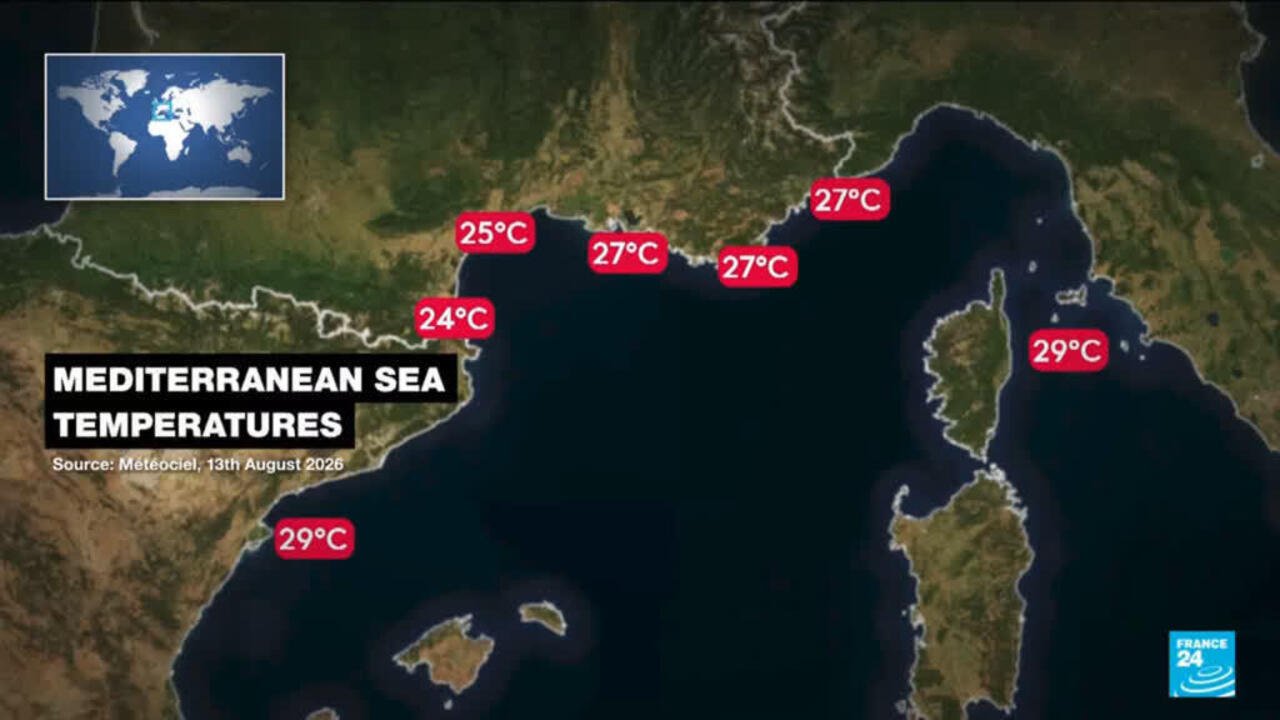
This summer has proven to be a challenging one for Europe, as the continent experiences its fifth heatwave. With temperatures in certain areas of France climbing to an alarming 40 degrees Celsius, the effects of this extreme weather are being felt not only on land but also in our oceans. Recent data indicates that global average sea temperatures reached an unprecedented 21 degrees Celsius last month. Let’s delve deeper into the implications of these rising temperatures.
The Impact of Heatwaves
Heatwaves can have serious consequences for both human health and the environment. Prolonged exposure to high temperatures can lead to heat-related illnesses, particularly affecting vulnerable populations such as the elderly and those with preexisting health conditions. Additionally, these extreme temperatures can strain healthcare systems, increase energy demands for cooling, and contribute to wildfires.
Rising Ocean Temperatures
The heat isn’t limited to land. The world’s oceans are also feeling the heat, as evidenced by the rising sea temperatures. The record-high average of 21 degrees Celsius last month signals not only immediate ecological concerns but also long-term impacts on marine biodiversity.
- Coral reefs, vital to marine life, are particularly sensitive to temperature changes.
- Higher sea temperatures may lead to more frequent and intense storms.
- Fishing industries may be affected as fish populations shift in search of cooler waters.
Climate Change Connection
This summer’s alarming temperatures and ocean conditions highlight the broader issue of climate change. With changing weather patterns becoming more commonplace, the urgency for action is growing. Reducing greenhouse gas emissions and fostering sustainable practices are critical steps to mitigate these effects.
What Can Be Done?
Individual and collective actions can make a significant difference. Here are a few suggestions:
- Practice energy conservation at home.
- Engage in community initiatives aimed at promoting sustainability.
- Support policies that prioritize climate action.
Conclusion
As Europe grapples with its ongoing heatwave, the rising sea temperatures serve as a stark reminder of the broader climate crisis. By understanding the implications of these changes and taking action, we can all contribute to a healthier planet.
Key Takeaways
- Europe is currently experiencing its fifth heatwave this summer.
- Global sea temperatures reached a record average of 21 degrees Celsius last month.
- Heatwaves pose significant risks to human health and the environment.
- Climate change is driving escalating weather extremes; action is urgently needed.