

Taliban’s Evolving Diplomatic Landscape: Five Years After Their Return to Power
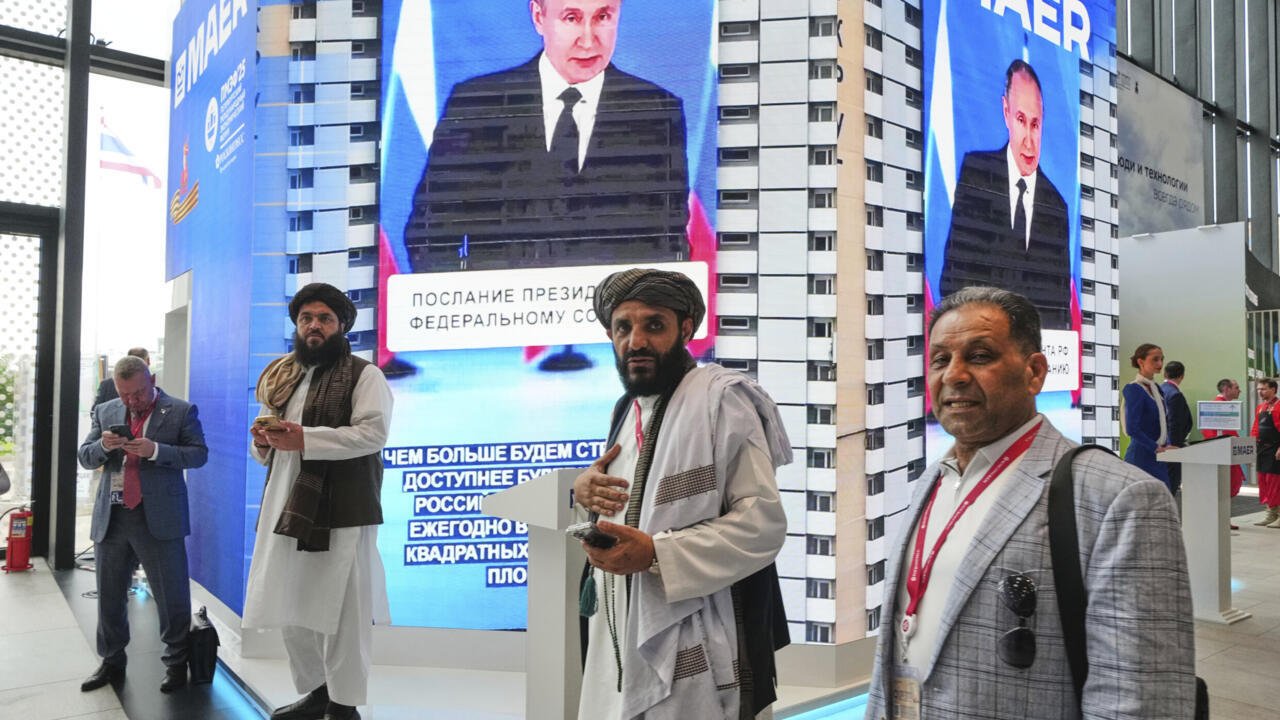
Five years after regaining control, the Taliban authorities in Afghanistan have established working relationships with several countries, despite their lack of formal international recognition. While Russia is the only nation to officially acknowledge the Taliban government, many Western nations have withheld recognition, citing the need for domestic reforms, especially concerning human rights.
Nonetheless, countries across the globe, including the United Kingdom and members of the European Union, are engaging with Afghanistan’s leadership, primarily driven by practical interests.
Outside the high walls of Pakistan’s foreign ministry in Kabul, signs of a more connected world emerge: embassies, numerous travel agencies, and an airline advertisement proclaiming, “We’re all connected.” Although most Afghans lack the means to travel abroad, the government, represented by Taliban spokesman Zabihullah Mujahid, aims to foster relations with all nations.
The Taliban’s diplomatic approach includes hosting foreign envoys in Kabul, a strategy they often publicize with photographs. This outreach encompasses dignitaries from countries like China, Japan, Turkey, Saudi Arabia, and the UK.
“Neighboring countries and regional states hold significant importance due to our intertwined economic interests,” Mujahid emphasized last month. In a testament to this collaboration, officials from Tajikistan, Turkmenistan, Kyrgyzstan, Uzbekistan, and Kazakhstan recently convened in Kabul, expressing interest in utilizing Afghanistan as a trade conduit for access to international markets.
Erica Gaston, affiliated with the UN Security Council, notes that regional nations tend to adopt a more pragmatic approach when dealing with the Taliban. “There’s a recognition among regional states of the realities we face, and engagement is unavoidable,” she remarked, leading the Conflict Prevention and Sustaining Peace Programme at the United Nations University Centre for Policy Research.
Navigating Complex Dynamics
In addition to security coordination, Taliban officials are promoting cross-border infrastructure initiatives to bolster Afghanistan’s fragile economy, particularly in light of international aid reductions. The government is also tapping into untapped natural resources through the mining sector, drawing interest from firms in China and beyond.
However, foreign investments have remained limited, as concerns surrounding the Taliban’s lack of formal recognition deter investors. While there were expectations that Iran might follow Russia in recognizing the Taliban, those hopes have yet to come to fruition.
Despite these challenges, several Taliban representatives have traveled abroad. In June, a delegation visited Brussels for discussions with fifteen EU nations regarding the return of failed asylum-seekers to Afghanistan. A spokesperson for the bloc commented, “Individuals without the legal right to remain in Europe must be returned.”
Germany has taken proactive steps, deporting an Afghan citizen who had not committed any crimes, marking a historical moment since the Taliban’s return to power.
As time progresses, Gaston argues that more nations are adjusting to a reality they may not approve of, yet find inescapable. Nevertheless, many governments are reluctant to deepen ties until they observe concrete changes in Afghanistan, particularly in regard to regulations affecting girls’ education past age 12—a policy shift that remains unlikely.
The International Criminal Court has issued arrest warrants for Taliban leaders, accusing them of crimes against humanity for the systemic persecution of women and girls.
Despite the ongoing constraints on their rights—such as barred access to UN facilities—some progress has been made on other pressing issues, like drug control and humanitarian aid, as highlighted by a UN source in Kabul.
Changing Political Realities
This year, significant international intervention occurred following armed conflicts between Afghanistan and Pakistan, with China facilitating dialogue after heavy civilian casualties. Other nations, including Qatar, Saudi Arabia, and Turkey, were similarly engaged in efforts to cease hostilities.
In an unexpected turn, India has strengthened its ties with the Taliban government, even securing a sanctions waiver for Foreign Minister Amir Khan Muttaqi’s visit to New Delhi last year. In June, India’s UN envoy suggested re-evaluating sanctions that currently target various Taliban officials.
“The political landscape in Afghanistan has shifted over the past five years, and the existing UN sanctions must reflect this reality,” stated Indian diplomat Harish Parvathaneni. Although he refrained from outlining specifics regarding a new strategy, the current situation indicates a necessity for engagement with the Taliban government.
(FRANCE 24 with AFP)
- Taliban has built relations with various countries despite formal recognition challenges.
- Economic ties and regional collaborations are driving engagement with Afghanistan.
- Human rights issues, particularly regarding women’s rights, remain a significant barrier to wider international relations.
- The political landscape in Afghanistan continues to evolve, influencing foreign policy approaches.