

Understanding Europe’s Wildfire Crisis: Shifting from Reaction to Resilience
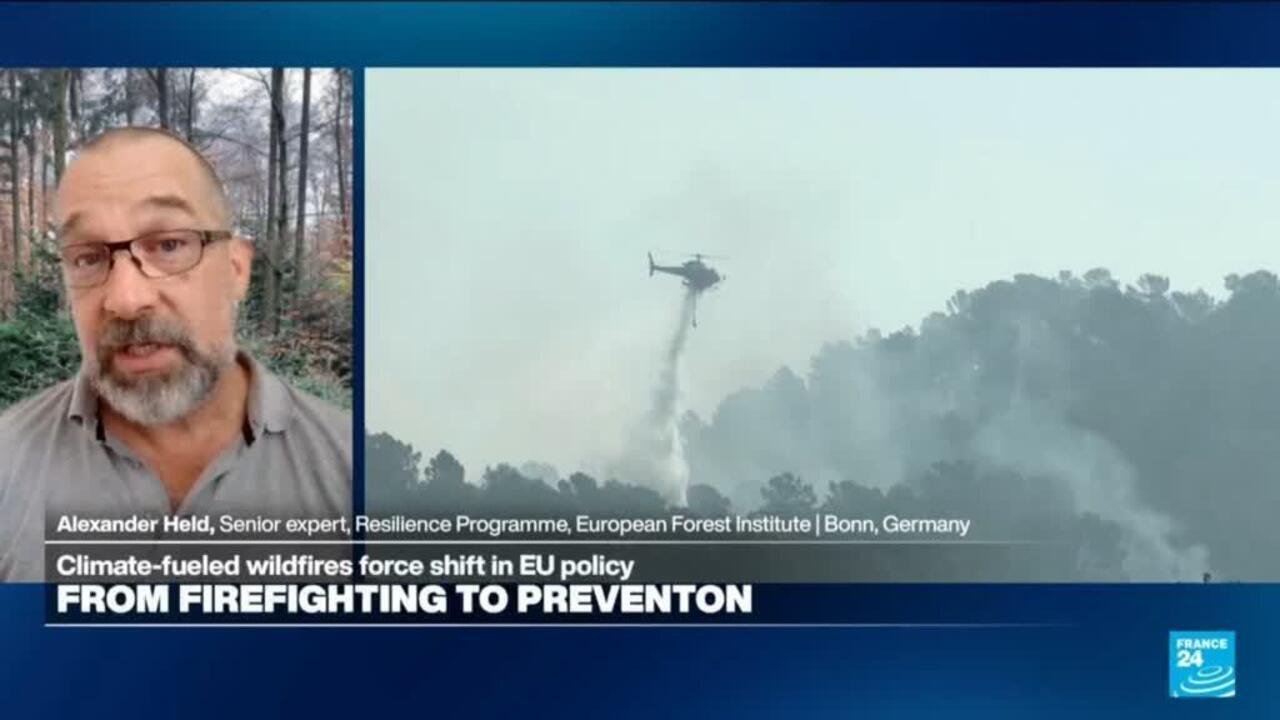
In a conversation with Alexander Held, Senior Expert of the Resilience Programme for Integrated Fire Management, we delve into the complexities of Europe’s wildfire crisis. As wildfires increase in frequency and intensity, it’s clear that our traditional approach, focused on immediate firefighting, is insufficient. This article explores the need for a change in strategy, emphasizing the importance of long-term resilience and proactive landscape governance over reactive measures.
The Current Response Model
Held highlights that while the European Union has made notable strides in organizing firefighting efforts, the current model tends to address wildfires only once they have escalated into major incidents. This reactionary stance contrasts sharply with the growing need for a comprehensive strategy that prioritizes prevention and resilience.
Beyond Firefighting: A Governance Challenge
According to Held, the core issue at hand is shifting from mere firefighting to effective landscape governance. Although climate change undeniably exacerbates conditions that foster extreme wildfires, the underlying factors contributing to these disasters include:
- Long-term land abandonment
- Increased fuel accumulation in neglected areas
- Changes in agricultural practices
- Political motivations favoring visible emergency actions
These elements combine to create a landscape more susceptible to wildfires, indicating that a broader, systemic approach is essential to mitigate future risks effectively.
The Role of Preventive Measures
Investing in preventive strategies may not capture the same attention as emergency responses; however, their impact can be profound. By fostering resilient landscapes through sustainable land management and proactive policies, we can significantly reduce the risk of wildfires before they start.
“Our challenge lies in moving from a reactive mindset to one that embraces long-term sustainability and resilience,” says Held.
Conclusion
As Europe grapples with an escalating wildfire crisis, it’s imperative to rethink our approach. Transitioning from reactive firefighting strategies to a focus on landscape governance and prevention will be crucial in building resilience against future wildfires. Only through a comprehensive, proactive framework can we hope to protect our landscapes and communities from the devastating effects of these fires.
Key Takeaways
- Europe’s wildfire crisis requires a shift from emergency responses to long-term resilience planning.
- The current firefighting emphasis overlooks critical preventive measures.
- Factors such as land abandonment and fuel accumulation contribute significantly to wildfire severity.
- Implementing sustainable practices is essential to mitigate future wildfire risks.