

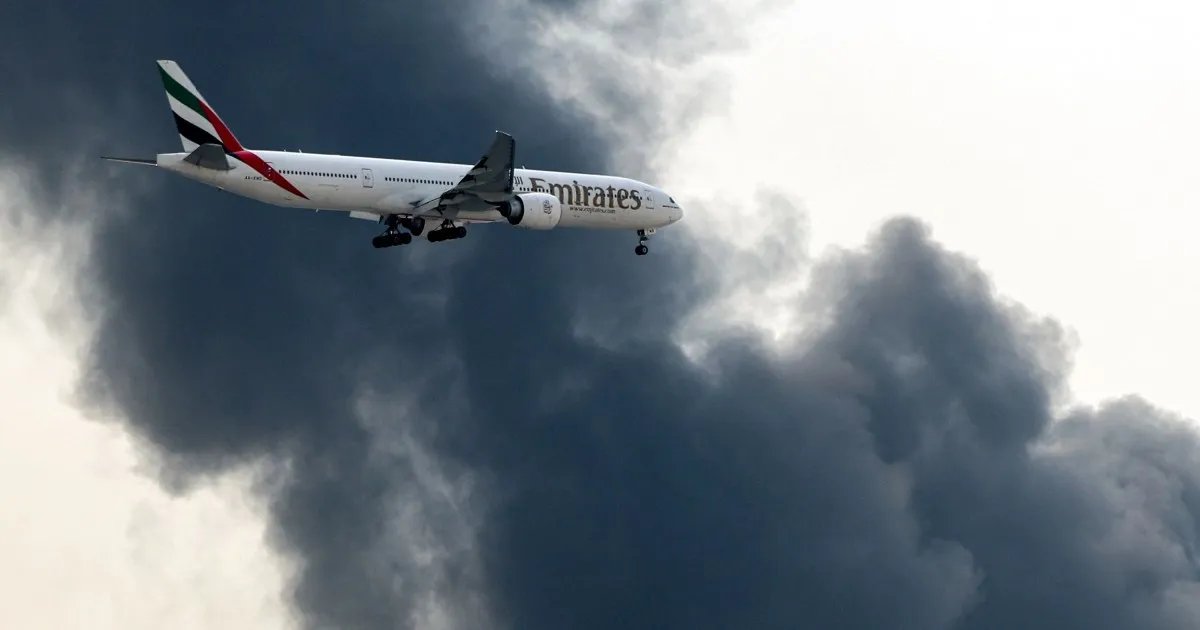
UAE Aviation Authority Lifts Flight Restrictions
The announcement from the United Arab Emirates’ aviation authority signals a promising recovery for the travel industry across the Middle East. This update comes as the country has officially lifted all flight limitations that were imposed in response to the ongoing conflict involving the United States and Israel against Iran.
Return to Normal Air Operations
According to a statement released by the General Civil Aviation Authority, all air operations in UAE airspace have reverted to “normal status.” This development is particularly significant for major airports in Dubai and Abu Dhabi, which have experienced operational constraints since late February.
Decision Based on Comprehensive Assessment
The aviation authority emphasized that this decision followed a thorough evaluation of the current operational and security landscape, in collaboration with relevant authorities. They assure the public that monitoring of the situation will continue to ensure safety in the skies.
Impact of the Conflict on Regional Aviation
The ongoing conflict has drastically disrupted aviation in the Middle East, primarily due to Iran’s retaliatory actions that led to the closure of substantial sections of regional airspace. These restrictions have posed challenges for an area striving to enhance its economic resilience beyond fossil fuels, limiting the available routes for airlines conducting long-haul flights between Europe and Asia.
Affected Countries and Airlines
At least eight nations, including the UAE, Iraq, Jordan, Qatar, Bahrain, and Kuwait, announced various degrees of airspace closures. During this turmoil, UAE carriers such as Emirates and flydubai temporarily ceased operations, while Etihad stopped all departures from Abu Dhabi. Notably, aviation data firm Cirium reported that over 11,000 flights were canceled in the initial stages of the conflict.
Phased Reopening of Airspace
The UAE initiated a “temporary and partial” airspace closure at the beginning of the conflict in late February, later progressing towards a gradual reopening in March. Between March 1 and March 12, the country managed to handle 1.4 million passengers and recorded 7,839 air traffic movements during this period of limited operations, with its national carriers achieving approximately 44.6 percent of their typical activity levels.
Significant Milestones for Regional Aviation
The recent ceasefire brokered by Pakistan has helped halt the ongoing conflict, setting the stage for the lifting of restrictions. Meanwhile, indications of a broader recovery in the regional aviation sector are emerging. For instance, Qatar Airways announced plans to restart flights to three Iraqi cities starting May 10, along with intentions to serve over 150 destinations worldwide from mid-June.
Conclusion
The lifting of flight restrictions by the UAE aviation authority marks a pivotal moment for the region’s efforts to recover from the disruptions caused by the recent conflict. As air travel resumes and more airlines reestablish their routes, the prospects for growth and stability in the travel sector appear increasingly optimistic.