

Analyzing Recent Political Changes in Europe
This week on our blog, we delve into the recent shifts within the European Parliament following a wave of elections across Europe. We’ll explore how these developments may influence the European Union (EU) and contemplate whether the EU should involve itself in the domestic politics of its member states.
A Shift in Leadership in Hungary
The end of Viktor Orban’s 16-year leadership in Hungary could indicate a transformation in the country’s influence, particularly regarding its previous veto power. There are questions about how cooperative his successor will be with broader EU initiatives. Recently, Peter Magyar met with Ursula von der Leyen, the President of the European Commission, to discuss a structured approach to reforms aimed at unlocking billions in EU funds that had previously been frozen due to concerns over rule-of-law issues under Orban’s administration.
Bulgarian Elections Reflect Public Sentiment
To the east, Bulgarian voters participated in their eighth election in five years. Perhaps reflecting a desire for stability, the electorate widely supported former president Rumen Radev, known for his Eurosceptic stance and pro-Kremlin insights, particularly regarding Ukraine. These electoral outcomes are reshaping the political landscape across Europe and could alter the strategies of other populist leaders within the EU, such as Slovakia’s Prime Minister Robert Fico.
EU’s Role in Member State Governance
One notable aspect of the EU’s approach to Hungary’s funding freeze is its potential capability to use financial mechanisms as a tool against governments deemed non-compliant with EU regulations. This raises important questions about the EU’s role in guiding domestic politics within its member countries. Is it appropriate for Brussels to intervene in such matters?
Discussion with Political Experts
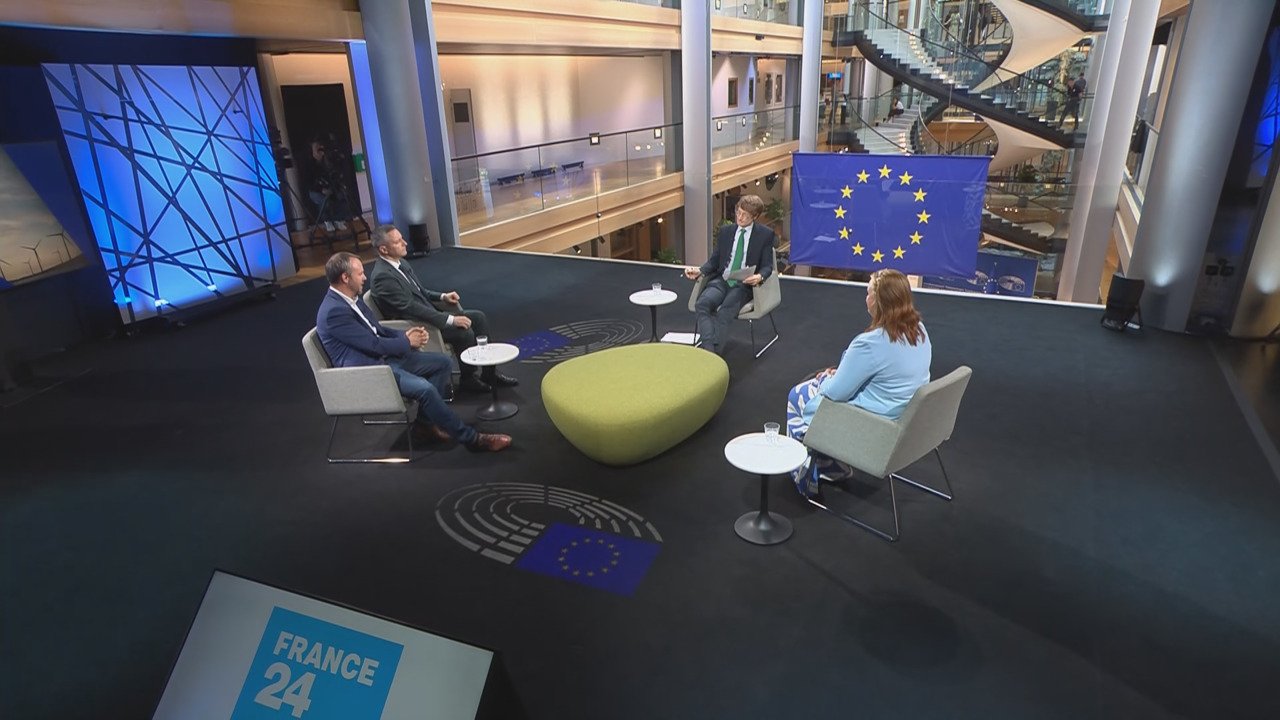
To unpack these complex issues, we’ve invited a panel of experts to join our discussion. They include:
- Katarina Roth Nevedalova, an independent Member of the European Parliament (MEP) from Slovakia aligned with Prime Minister Fico’s party.
- Kristian Vigenin, S&D MEP from Bulgaria and a former Bulgarian foreign minister.
- Daniel Freund, a Green MEP from Germany who co-chairs the Anti-Corruption Intergroup in the European Parliament.
With insights from these experts, we aim to better understand the evolving political dynamics and their potential repercussions on the European Union as a whole.
Conclusion
The recent elections and leadership changes across Europe signal significant shifts that may impact the future of the EU and its internal politics. Understanding these developments will be crucial as we navigate the complexities of European governance.
Key Takeaways
- Hungary’s change in leadership could alter its relationship with the EU.
- Bulgaria’s elections indicate a push for stability amidst political turbulence.
- The EU’s financial policies may serve as leverage against member states.
- Expert discussions will help clarify the implications of these political shifts.