

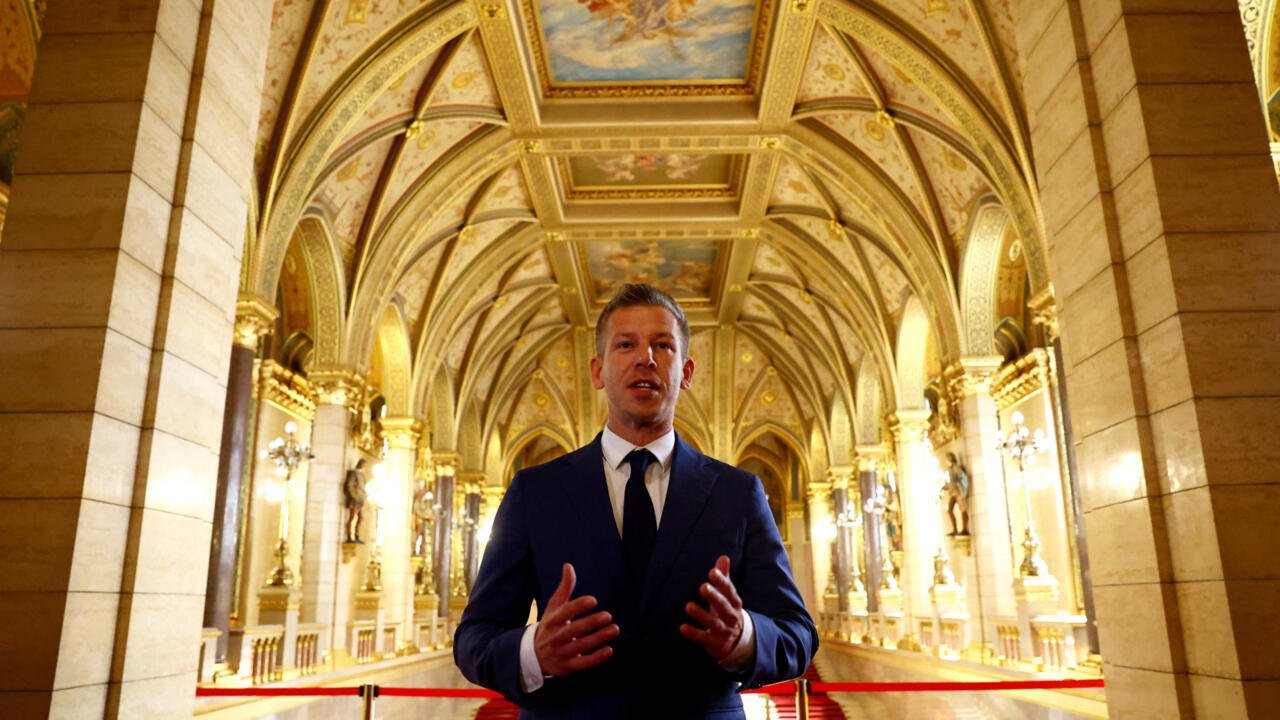
Hungary’s New Era: Peter Magyar’s Promises and Challenges
Following the recent electoral defeat of Viktor Orban, Hungary has entered a new chapter under the leadership of Prime Minister Peter Magyar. This article delves into Magyar’s commitment to confronting the corruption that has permeated the political landscape during Orban’s lengthy tenure, and the broader implications this change could have for the nation’s future.
A Shift in Leadership
On April 12, Peter Magyar’s centre-right Tisza party secured a significant victory, obtaining 141 out of 199 seats in parliament. This strong majority not only allows him to advocate for the rule of law but potentially paves the way to unlock billions in funding from the European Union, which had previously withheld support due to concerns regarding corruption and the decline of democratic norms.
Magyar has signaled that time is of the essence; he has raised alarms about Orban’s allies starting to transfer assets to countries such as the United States and the United Arab Emirates. Drawing parallels with Poland’s experience, where a liberal opposition gained traction after years of right-wing governance, Hungary faces its own unique challenges as it attempts to restore integrity to its institutions.
The Road to Reform
Sociologist and former education minister Balint Magyar highlights that Hungary is not merely witnessing a change in government—it’s a comprehensive regime shift. With a commitment to pursuing officials involved in Orban’s notorious political framework, Magyar has launched an initiative dubbed “Road to Prison,” focusing on accountability for corruption at all levels.
Among his campaign promises, Magyar advocates for introducing a proportional electoral system and limiting the tenure of prime ministers to two terms, amounting to a maximum of eight years in office.
Historical Context of Regime Changes
Understanding the depth of these changes requires a historical lens. Hungary has seen its first transition from communist rule to a liberal democracy in 1990, followed by a shift into autocracy under Orban’s regime from 2010 onwards. Magyar’s election signifies a hopeful third transition back towards liberal democracy.
Legal Action Against Corruption
Magyar’s administration is already preparing to investigate high-profile officials believed to be complicit in Orban’s corrupt practices. How easy it will be to prosecute figures like Foreign Affairs Minister Peter Szijjarto, accused of leaking sensitive information, remains to be seen.
The challenge is immense, as Orban’s government functioned much like a mafia state. Allegations of systemic corruption and abuse of power suggest that many within the political elite may have committed crimes under Hungary’s legal framework.
A Call for Accountability
Magyar’s call for resignations among institutional leaders indicates a firm stance against the remnants of Orban’s influence. Early police investigations suggest that the incoming government is serious about addressing these issues. However, it is unlikely that loyalist figures will face serious repercussions, marking a significant dismantling of Orban’s entrenched power structure.
Public Sentiment and the Future
The ongoing public discontent has made it clear that citizens are eager for a change. A recent poll revealed that approximately 49% of respondents attributed Orban’s defeat primarily to corruption, highlighting widespread dissatisfaction with both the moral and economic management of the country under his leadership.
As Magyar’s administration attempts to reshape Hungary, they face the lingering question of how to manage Orban’s legacy and the potential threats posed by his loyal supporters. While the immediate future holds promise for reform, the path ahead will be complex and fraught with challenges.
Conclusion
Peter Magyar’s ascent to power marks a potentially transformative period for Hungary, as he endeavors to dismantle the corrupt systems established during Orban’s rule. The situation is delicate, and the nation watches closely to see how these pledges translate into action in the coming months.
Key Takeaways
- Peter Magyar’s Tisza party won a significant majority, allowing for potential electoral reforms.
- Magyar aims for a comprehensive strategy against corruption, launching initiatives like “Road to Prison.”
- Hungary is undergoing its third regime change, moving from autocracy back toward liberal democracy.
- Public sentiment strongly favors accountability for the previous administration’s actions, particularly regarding corruption.