

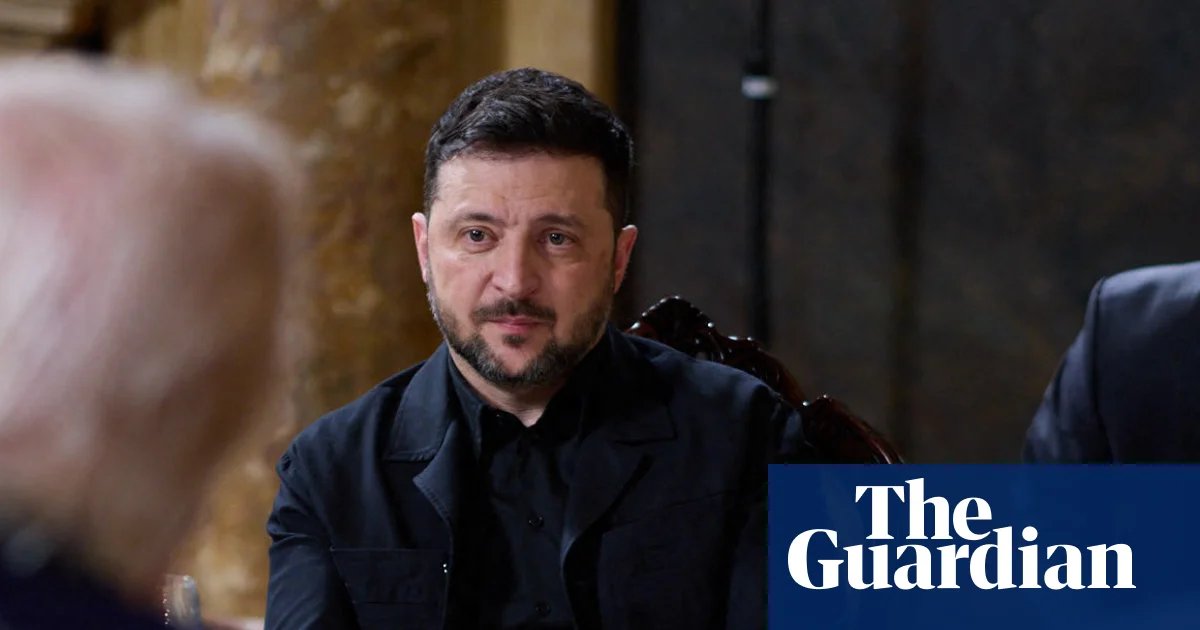
Zelenskyy’s Strong Words Against Russia Amidst Tensions
Ukrainian President Volodymyr Zelenskyy has firmly accused Russia of attempting to undermine peace negotiations and has raised concerns about potential bombings targeting government buildings. This assertion comes after the Kremlin claimed to have thwarted a Ukrainian drone attack aimed at President Vladimir Putin’s residence.
Allegations and Counterclaims
Zelenskyy dismissed the Kremlin’s statements as “typical Russian lies” following a two-hour conversation with former President Donald Trump over the weekend. He emphasized that Russia is once again using “dangerous statements” to hinder diplomatic efforts aimed at resolving the conflict with the United States.
He added, “This alleged ‘residence strike’ story is a complete fabrication intended to justify additional attacks against Ukraine, including Kyiv, as well as Russia’s own refusal to take necessary steps to end the war.”
Threats of Retaliation
Ukraine’s leader has warned that a strike on key government complexes in Kyiv is quite plausible, reminiscent of previous bombings in September that targeted the cabinet ministers’ building in the city.
Meanwhile, Russian Foreign Minister Sergei Lavrov alleged that Ukraine had made attempts to strike at Putin’s residence in Novgorod, south of St. Petersburg, thereby indicating that Russia may reassess its negotiation stance. Lavrov reported that Russian air defenses had successfully intercepted 91 incoming drones, stating, “Such reckless actions will not go unanswered.”
A Complex Diplomatic Situation
These threats appear to be part of a broader KGB-style information campaign targeting both Russian audiences and foreshadowing the potential internal political ripple effects in the U.S. Following the Kremlin’s claims, advisor Yuri Ushakov mentioned that Putin informed Trump about the alleged attack during their conversation. Ushakov characterized Trump as “shocked,” also insinuating British involvement in what he called “provocations.”
On Monday, Trump expressed discontent at a press briefing, stating, “I don’t like it. It’s not good.” When asked whether this situation could influence peace efforts, he expressed concern about the timing of these allegations.
Security Guarantees and Future Discussions
Zelenskyy mentioned that during his discussions with Trump, the U.S. had proposed “strong” security guarantees for Ukraine, lasting up to 15 years. However, he acknowledged that the future of Ukraine’s eastern Donbas region remains unresolved. On his return to Europe, he indicated that a collaborative voting process between the U.S. Congress and Ukraine’s parliament would take place regarding American commitments.
Highlighting the urgency of a robust security framework to deter further aggression, Zelenskyy reflected on past commitments, remarking that prior assurances, including the Budapest Memorandum, had failed to deliver.
A Call for Long-term Guarantees
He expressed a desire for more extended security assurances, proposing guarantees of up to 50 years, with the hope that this would be a historic decision by Trump. The former president, during a joint conference, noted that a resolution to the conflict was closer than ever, although significant divides remain between the two sides regarding military presence in contested areas.
Zelenskyy emphasized that Ukraine would not concede any territory to Russia, terming such desires as mere fantasies of the Kremlin. He suggested creating a demilitarized economic zone along existing frontlines, stressing that such a plan would eventually be put to the people of Ukraine in a referendum, contingent upon a ceasefire lasting at least 60 days.