

Israel Suspends Aid Permits for Over 30 Organizations in Gaza
In a controversial move, Israel announced the suspension of permits for more than three dozen aid organizations, citing non-compliance with new operational requirements in Gaza, where humanitarian conditions are already critical. This decision, effective January 1, 2026, raises significant concerns about the future of aid to Palestinians in the region.
Reasons Behind the Suspension
The Ministry for Diaspora Affairs and Combating Antisemitism described this action as part of a strategy to enhance and update the regulations governing international NGOs operating in Gaza. The ministry highlighted that organizations failing to meet specified security and transparency standards would face the suspension of their licenses.
According to the ministry’s statement, these groups did not comply with requests to share details about their staff and funding, including names of Palestinian employees, which has led to suspensions. They were given a ten-month timeline to comply with these requests but allegedly failed to do so.
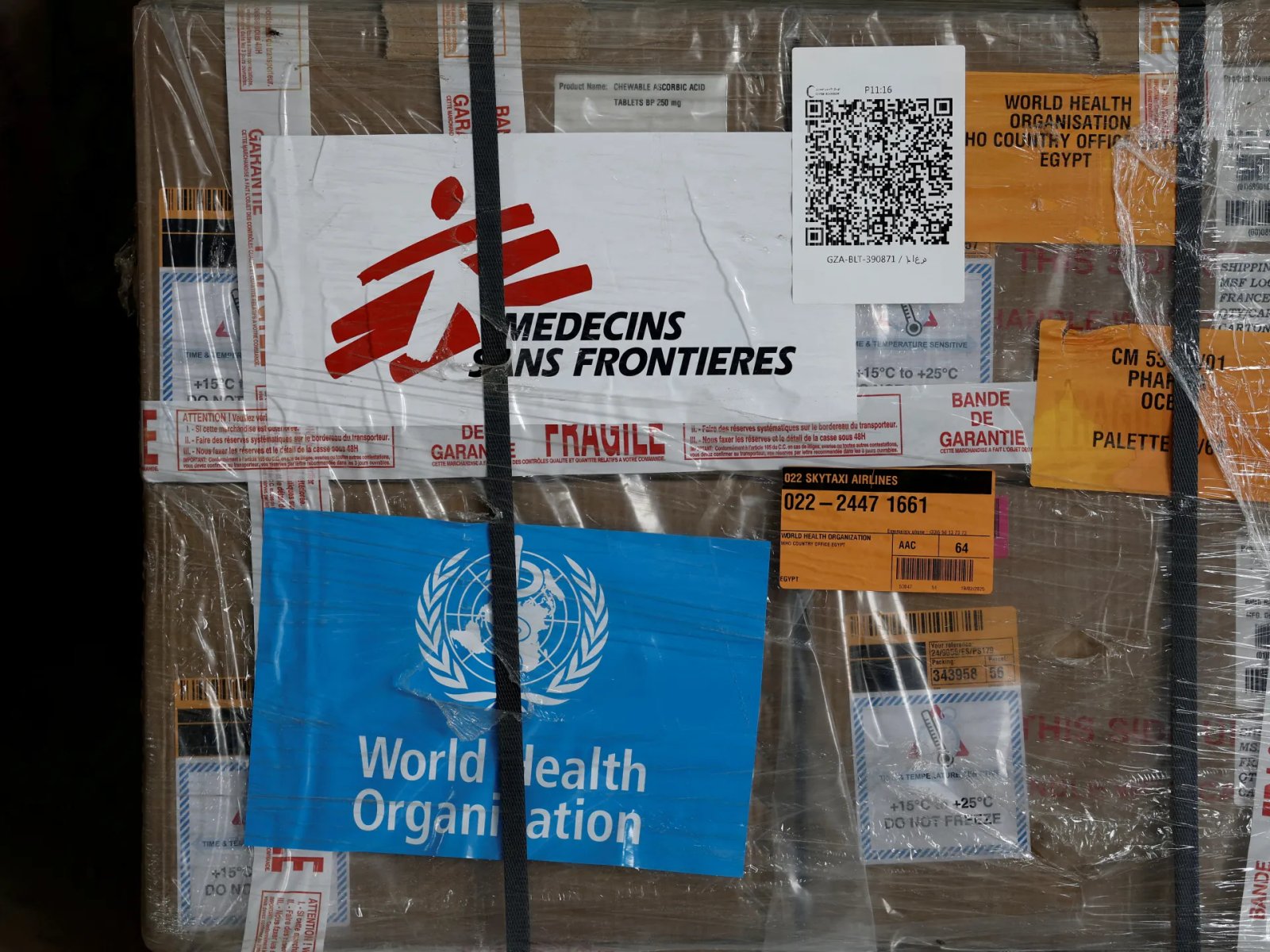
Among the affected organizations is Doctors Without Borders (MSF), which has faced accusations from the ministry concerning alleged connections of certain staff members to terrorist groups, though they have denied these claims and requested further dialogue with Israeli authorities.
Major Organizations Facing Suspension
The suspension impacts 37 organizations, many of which play vital roles in providing humanitarian assistance in Gaza. These include:
- Action Against Hunger
- CARE
- Medecins Sans Frontieres (MSF) in various regional branches
- Norwegian Refugee Council
- Oxfam
- World Vision International
- International Rescue Committee
These groups provide essential services like healthcare, food distribution, and education, making their suspension particularly concerning amid ongoing humanitarian crises.
Historical Context
This latest suspension is not an isolated instance. In 2024, the Israeli government banned the United Nations Relief and Works Agency (UNRWA) from operating within its borders, citing similar reasons related to security allegations. UNRWA, which has supported Palestinian refugees for decades, strongly contested these allegations.
Despite a ruling from the International Court of Justice stating that Israel’s claims were unfounded, the ban severely curtailed UNRWA’s operations, leading to decreased support for Palestinian refugees and a provocation of geopolitical tensions.
Impact on Gaza’s Civil Society
The restrictions imposed on both international and UN aid agencies are viewed by many as part of a broader strategy by Israeli authorities to undermine the social and economic infrastructure necessary for the survival of Gaza’s population of over two million. These actions have come in tandem with a long-standing blockade that has significantly obstructed the movement of people and goods into Gaza.
Amid ongoing conflicts and humanitarian crises, reports indicate that over 71,000 lives have been lost since October 7, 2023. Critical infrastructure, including hospitals and schools, has been heavily impacted, and clean water access is in jeopardy.
The Palestinian Ministry of Foreign Affairs has strongly condemned Israel’s registry requirements for aid organizations, arguing that such measures could impede humanitarian efforts crucial for countless lives in Gaza.
The European Union has also voiced its concerns, emphasizing that the suspension of these organizations would obstruct “life-saving” assistance and urging for a reconsideration of the new regulations.
Consequences for the People of Gaza
The implications of these suspensions could be dire. Oxfam has expressed apprehension about its operational continuity in Gaza, warning that without their services, many vulnerable populations will be left without essential aid. MSF has echoed similar sentiments, emphasizing that any restrictions on their operations would have catastrophic effects on healthcare access for those already in dire situations.
The British Foreign Office, along with other nations, has called for Israel to allow NGOs to work reliably within Gaza, highlighting that halting operations could close down access to healthcare for countless individuals.
- Israel has suspended permits for over 30 aid organizations in Gaza.
- Accusations of non-compliance with new transparency requirements are cited as the reason.
- Major groups affected include Doctors Without Borders and Oxfam, critically impacting aid access.
- International bodies are urging Israel to reverse these regulations to maintain humanitarian assistance in the region.