

The Economic Struggles Behind the Protests in Iran
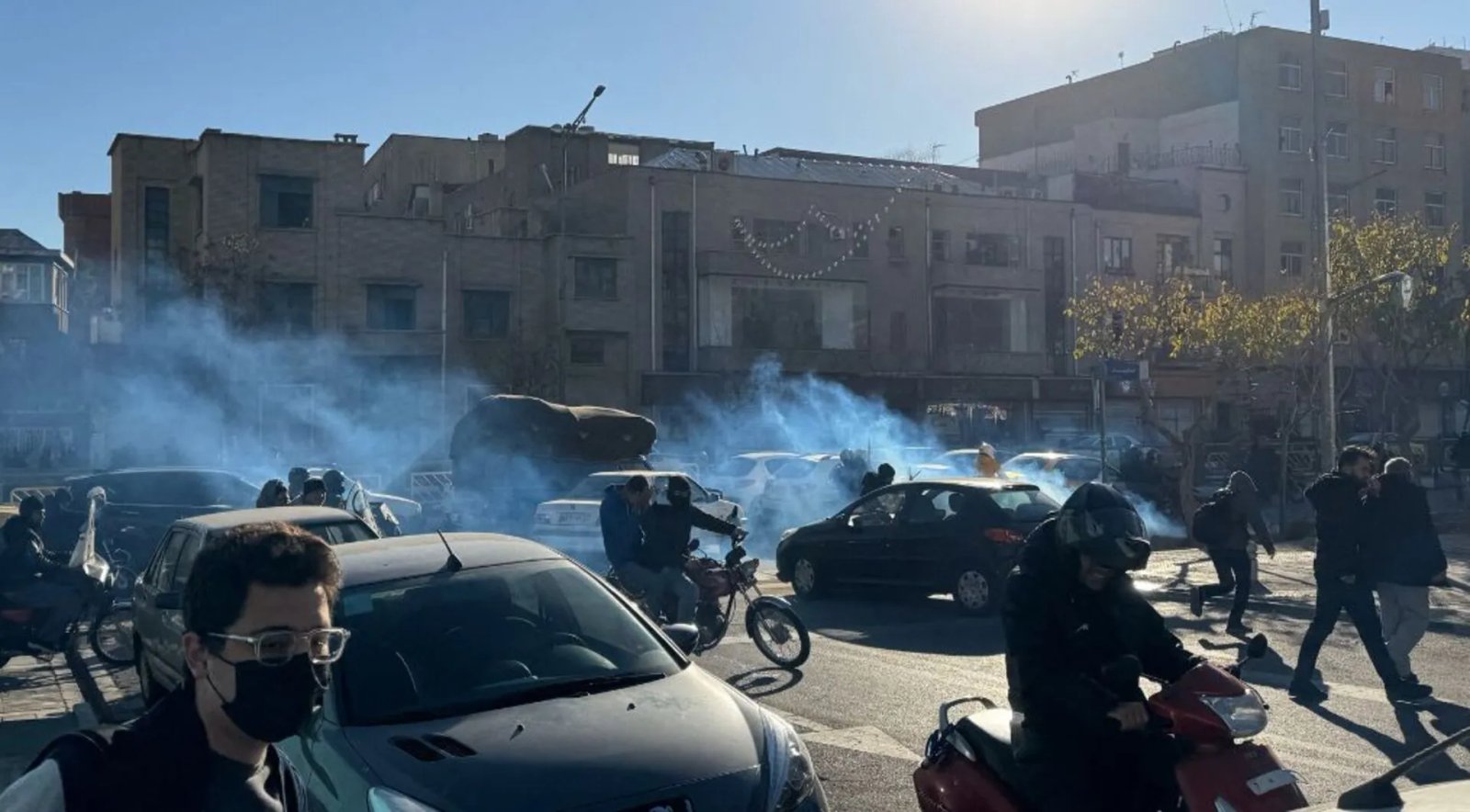
In recent months, thousands of citizens in Iran have taken to the streets to protest against the severe economic crisis that is dramatically affecting their everyday lives. With a sharp decline in the value of the national currency and soaring inflation rates, many believe Iran’s economy has reached a critical juncture. This ongoing unrest has prompted the government to adopt a new strategy, proposing a dialogue mechanism amidst the chaos. However, with the country still grappling with persistent sanctions, one must ponder what solutions the leadership can realistically offer. Moreover, the potential ramifications of an escalation in protests cannot be overlooked.
Understanding the Roots of the Protests
The current discontent among the Iranian populace stems from a complex web of economic difficulties. People are struggling to make ends meet as their purchasing power diminishes. The plummeting currency value has led to increased prices for goods and services, pushing families into a corner.
The Economic Factors at Play
- Currency Devaluation: The Iranian rial has lost substantial value, contributing to a decrease in consumer confidence.
- Inflation Rates: With inflation spiraling, essential items are becoming unaffordable for many households.
- Sanctions Impact: Ongoing international sanctions have further exacerbated the economic turmoil, limiting economic opportunities.
The Government’s Response
In response to the widespread unrest, the Iranian government has shifted its stance by proposing a dialogue mechanism. This approach aims to create a platform for discussion, but many question its effectiveness in addressing the core issues at hand. Critics argue that without substantial policy changes, such dialogue may merely serve as a temporary measure to quell dissent.
Possible Outcomes of Continued Protests
If protests were to escalate, the consequences could be significant. Increased government crackdowns might lead to further instability, and the international community will undoubtedly be watching closely. Here are some possible outcomes:
- Increased Repression: The state may resort to harsher measures to maintain control.
- Global Attention: Heightened protests could draw more attention from foreign governments and organizations.
- Potential for Change: Sustained unrest might create pressure for reforms, although the path to positive change is fraught with challenges.
Conclusion
The turmoil currently gripping Iran underscores the urgent need for economic reform and open dialogue. As the government navigates these choppy waters, the stakes remain high. It is a pivotal moment that will determine the future not only for the Iranian populace but also for the broader region.
Key Takeaways
- Thousands are protesting against Iran’s dire economic situation marked by inflation and currency devaluation.
- The government is attempting to engage in dialogue, but its effectiveness remains uncertain.
- Escalation of protests may lead to stronger government crackdowns and increased international scrutiny.
- Long-term change will depend on the government’s willingness to implement meaningful economic reforms.