

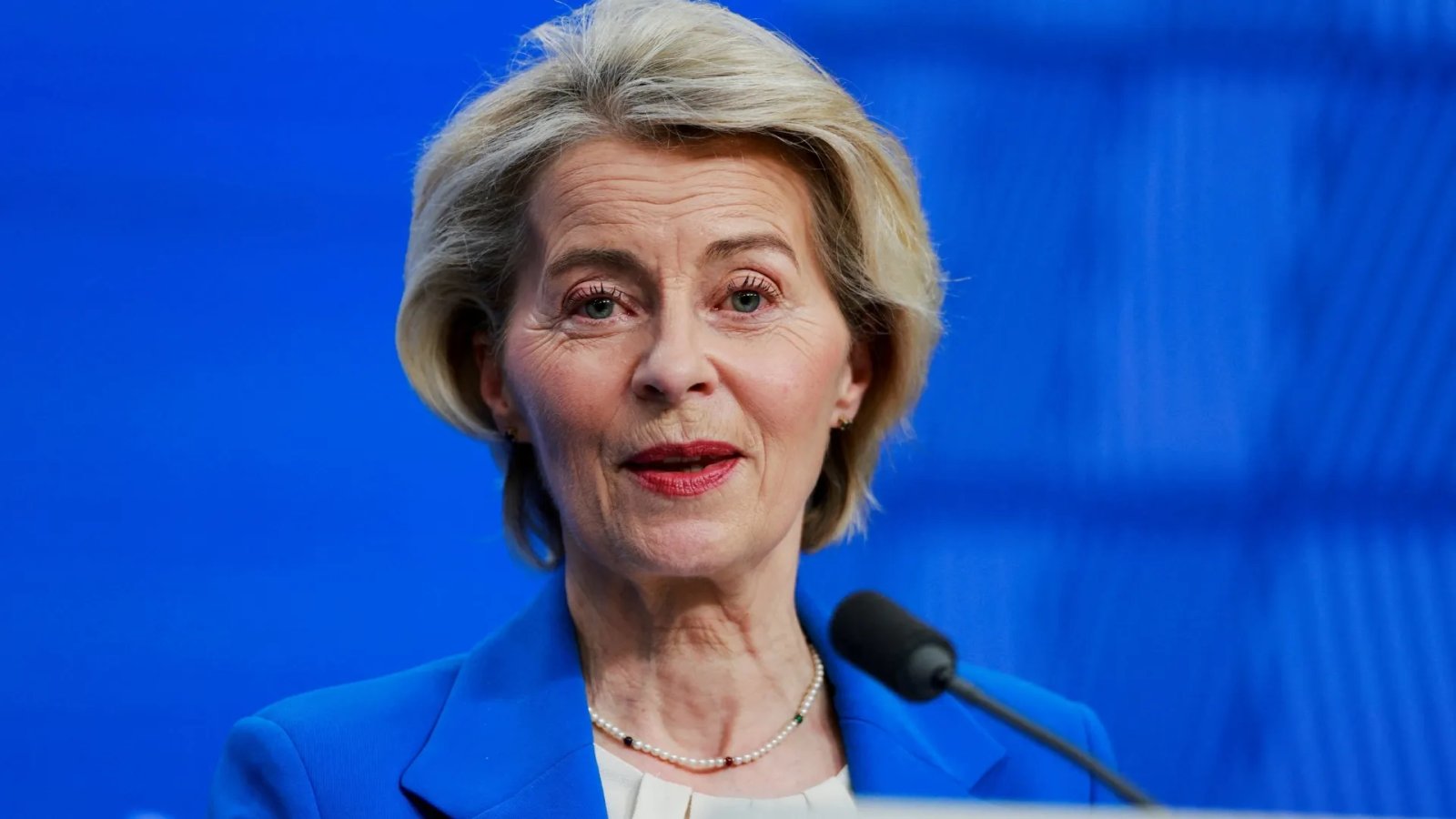
The Delay of the EU-Mercosur Deal: A Closer Look
The long-awaited deal between the European Union and Mercosur has hit a snag, much to the discontent of many European farmers. Initially expected to be signed this month, the deal has now been delayed until January due to internal disagreements across Europe. This agreement, which has been in the making for over 25 years, aims to establish the most extensive free-trade zone in the world. But what’s causing this division among stakeholders?
The Background of the EU-Mercosur Deal
The EU-Mercosur agreement, which encompasses Brazil, Argentina, Paraguay, and Uruguay, has been a centerpiece of economic discussions, promising benefits such as increased trade and investment opportunities. It is anticipated to lower tariffs and pave the way for smoother exchanges between Europe and South America.
Protests Erupt Among Farmers
Recently, a wave of protests has surged among European farmers who worry about the potential negative impact of this deal on their livelihoods. Concerns have been raised regarding competition from South American agricultural products that could undermine local farmers, leading to calls for a reconsideration of the deal’s provisions.
Reasons Behind the Delay
The postponement of the signing has been attributed to several factors, including:
- Disagreements over environmental protections.
- Concerns regarding labor rights in the exporting nations.
- Political pushback from various EU member states fearing economic repercussions.
Insights from Experts
To dive deeper into this situation, several experts have shared their perspectives. Folly Bah Thibault, the host, engaged with:
- Pieter Cleppe – Editor-in-chief at BrusselsReport.eu, who discussed the political implications of the agreement.
- Ciaran Mullooly – A Member of the European Parliament representing the Independent Ireland group, focusing on the agricultural sector’s concerns.
- Gustavo Ribeiro – Founder and editor-in-chief of the Brazilian Report, providing insights from the South American standpoint.
Conclusion
The EU-Mercosur deal represents a significant potential for economic growth on both sides. However, the recent postponement highlights the complexities and divisions among European stakeholders. As the discussions continue, it remains to be seen how these concerns will be addressed moving forward.
Key Takeaways
- The EU-Mercosur deal, aimed at creating a vast free-trade area, has been delayed until January.
- Protests from European farmers stem from fears of increased competition from South American products.
- Major disagreements focus on environmental protections and labor rights.
- Insights from experts indicate the multifaceted nature of the negotiations.