

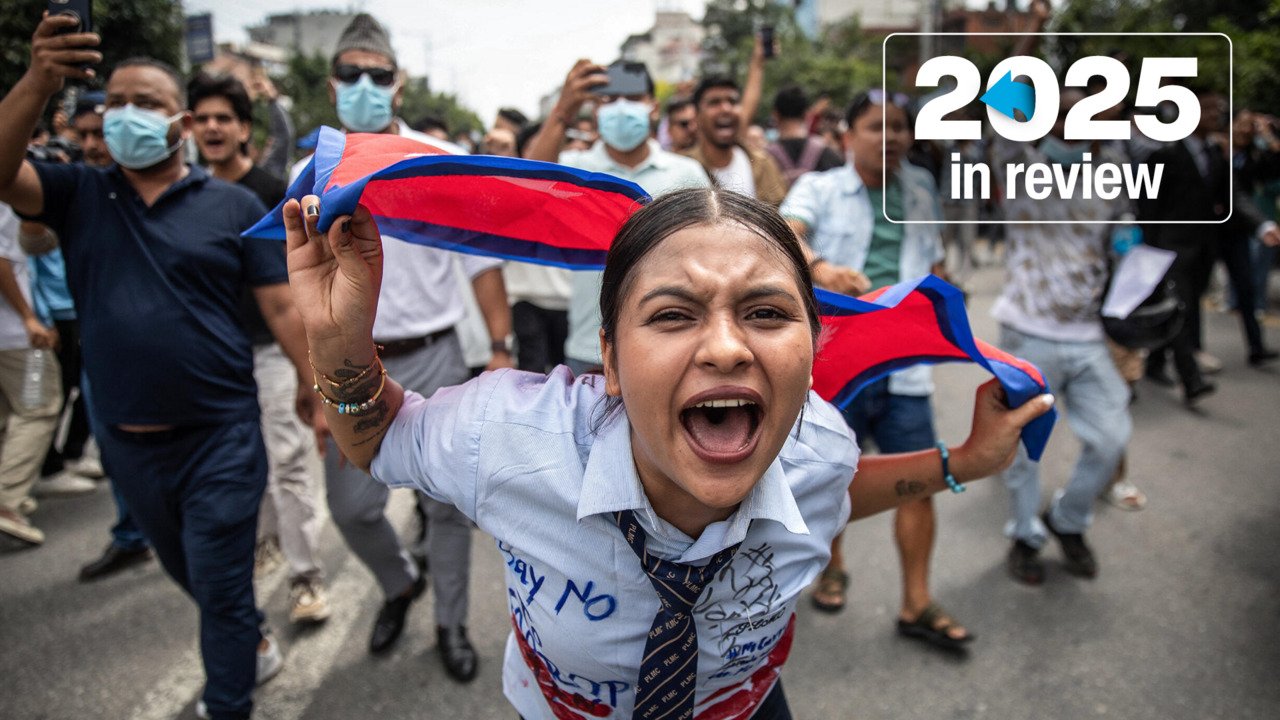
Global Protests: Generation Z Unites for Change
In 2025, young people around the world found themselves united by a shared experience: protests. Varied realities from Lima’s insecurity to rolling blackouts in Antananarivo sparked frustration among Generation Z—those born from the late 1990s to early 2010s—against disconnected elites. Their rallies were marked by hand-painted signs and catchy slogans that swept through social media platforms like TikTok and Discord, showcasing a desire to be heard.
“This generation is advocating not just for themselves but for universal access to education, healthcare, housing, and an end to corruption,” stated sociologist Michel Wieviorka, who serves as the Director of Studies at the School for Advanced Studies in the Social Sciences. “Their protests are fueled by shared, universal values.”
The Spark of a Movement
The uprising ignited in Indonesia at the end of summer. Following the announcement of exorbitant housing allowances for members of parliament—nearly ten times the national minimum wage—students took to the streets. The iconic pirate flag from the popular manga “One Piece” swiftly became the symbol of this Generation Z revolt.
In September, the movement gained traction in Nepal, with viral clips on Instagram and TikTok revealing the privileged lifestyles of wealthy youths, dubbed “nepo-kids.” This chaos escalated when the government attempted to block numerous digital platforms. Protesters set fire to parliament in Kathmandu, leading to days of intense riots.
Similar fervor spread to Africa. In Madagascar’s capital, Antananarivo, young activists protested not only against ongoing water and power shortages but also demanded the president’s resignation. “We’re not asking for luxury, just the means to live with dignity,” protesters shouted, consisting mainly of students and precarious workers.
In Morocco, the youth mobilized through the Gen Z 212 collective—named after the country’s telephone code—organizing on Discord to push for school reforms, healthcare access, and social justice. Meanwhile, across the ocean, youth in Peru rallied from Lima to Cusco against political instability, rampant corruption, and unprecedented insecurity.
While the specific issues varied, the underlying theme was strikingly similar. “These nations exhibit weak or illiberal democracies, or they are outright authoritarian regimes, where power tends to respond with increasing repression, leading to a cycle of violence,” Wieviorka noted.
The toll of these protests was grievous: several deaths were reported across countries, including Indonesia, Morocco, and Nepal, where at least 76 lost their lives amidst the chaos.
Achievements Amidst Adversities
Despite facing oppressive responses from authorities, Generation Z saw notable victories. In Nepal, the protests culminated in the government’s collapse, resulting in the unprecedented appointment of an interim prime minister via a vote conducted on Discord, alongside the initiation of an inquiry into the deaths of protesters.
This marked a significant win for Nepal’s youth, as they witnessed a movement born from both online and offline efforts lead to a tangible political change.
On the flip side, Madagascar faced disillusionment. After weeks of protests, President Andry Rajoelina was ousted in a military coup. Yet, the aftermath left the power in the hands of the military, rather than a true democratic transition.
In Morocco, while the monarchy remained intact, authorities reacted to the protests, announcing modernization plans and investments addressing the demands for healthcare and education.
Nevertheless, repression lingered, with numerous young demonstrators still detained, including about 330 minors.
The Future of Activism
In Nepal, the energy of the movement has not waned, with early elections anticipated in March 2026. “We are entering the second phase,” protester Yujan Rajbhandari remarked, reiterating the focus on voter registration and continuous fight against corruption. “We won’t stop,” he asserted.
However, the future remains uncertain in other regions. “These movements can either evolve into lasting forces for change or fizzle out entirely,” Wieviorka observed. The past bears witness to movements that have emerged and dissipated, often leaving differing levels of impact.
What sets Generation Z apart is their ability to organize and assert their demands without the immediate ambition of seizing power. “While they may lack a fully developed political platform, they share a clear vision of profound change,” Wieviorka concluded.
- Generation Z protests in 2025 were sparked by shared frustrations globally.
- Movements in countries like Indonesia, Nepal, and Madagascar showcased unique symbols and demands.
- Significant victories resulted in political changes, yet challenges remain with ongoing repression.
- The future path of these movements remains uncertain, with potential for lasting impact.