

Myanmar’s Election: A Facade of Democracy Amidst Conflict
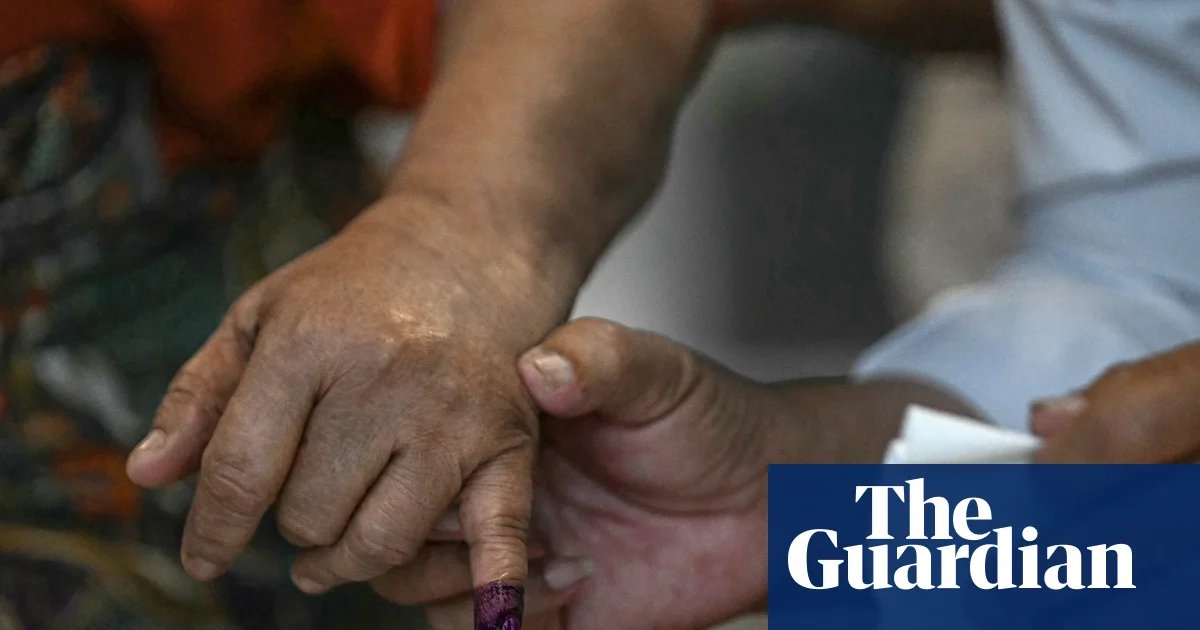
Polling has concluded in Myanmar, marking the first phase of a widely criticized election that many see as a mere exercise to validate the military regime’s authority. With a backdrop of ongoing conflict and civil unrest, this election is perceived more as a “theater of the absurd” than a genuine democratic process.
Context of the Election
The military junta has positioned this election as a step back toward democracy, nearly five years after it orchestrated a coup that ousted then-leader Aung San Suu Kyi, leading to her detention and igniting a brutal civil war. Despite claims of restoring democratic norms, analysts argue that the majority of candidates are closely aligned with the military. The United Nations has condemned the electoral environment, highlighting pervasive violence and repression.
This election is structured in three stages, with the remaining phases set for January. Notably, many regions are excluded from voting due to control by anti-military factions or intense conflict.
The Political Landscape
The Union Solidarity and Development Party (USDP), a known military proxy, is expected to dominate with the highest number of candidates. In the lead-up to the elections, campaigning has been subdued, missing the lively rallies associated with past elections. The political symbols of Aung San Suu Kyi and her National League for Democracy party have been notably absent, with her ongoing detention limiting any form of opposition.
While Western governments have denounced the election, it still receives support from nations like China, which the military considers its key ally. Election observers from China, Russia, India, and Vietnam backed the military’s claims of a legitimate process.
Public Sentiment and Participation
As the crowds at polling stations appeared thinner than in previous elections, apprehension and reluctance to discuss the electoral process were prevalent among residents. Many expressed that the election felt rigged, with limited choices on the ballot. One voter remarked, “We are aware of how this election will end,” but was interrupted by a relative cautioning him against voicing his thoughts due to potential repercussions from police presence.
Younger voters, in particular, face the dual fears of military conscription and unwarranted attention from authorities during the voting period. A 22-year-old resident mentioned the omnipresent anxiety resonating in daily life: “Whether we vote or not, the worry is there … There is no freedom.”
Election Legitimacy and Repression
Preliminary results from this first phase of the election were scheduled to be announced shortly after the polls closed. With a total of 57 parties contesting—only six of which operate nationwide—observations indicated that real political opposition has been silenced, jailed, or driven underground. The Asian Network for Free Elections described this environment seriously lacking any meaningful competition.
Since the coup, the military has arrested tens of thousands for expressing political dissent. New laws have been implemented restricting any criticism of the election. Those found violating these laws could face severe penalties, including lengthy prison sentences.
Acknowledgment of Fear
A local resident in Yangon voiced her trepidation, stating her family would not participate in the election as a form of protest against its legitimacy. However, she pointed out that others might feel compelled to vote out of fear of military repercussions. In her view, many fear not voting could lead to aggressive responses from the military.
Outside Perspectives
The UN Human Rights Chief emphasized the oppressive atmosphere surrounding the elections, mentioning reports of threats made to individuals who had fled their homes, urging them to return to vote. Despite the junta’s portrayal of the elections as a move toward normalization, fierce conflicts persist, especially in regions like Sagaing, where military operations continued even on election day.
Following a decade of democratic progress, the 2021 coup initiated widespread protests met with violent crackdowns, pushing many citizens to take up arms. This has led to an economic crisis, with half of the population now living under the poverty line, resulting in one of the worst humanitarian situations globally.
As the military continues its operations, the upcoming phases of the election are set for January 11 and January 25. Observers warn that these votes may further entrench military power and undermine the hope for genuine democracy in Myanmar.
- The first phase of Myanmar’s elections concluded amidst heavy criticism and ongoing conflict.
- The military backs a candidate pool largely seen as aligned with its regime, casting doubt on the legitimacy of the process.
- Public sentiment reveals fear of repression, with many choosing not to participate in the election.
- Ongoing humanitarian crises pose significant challenges for the population, with life under the military regime remaining precarious.