

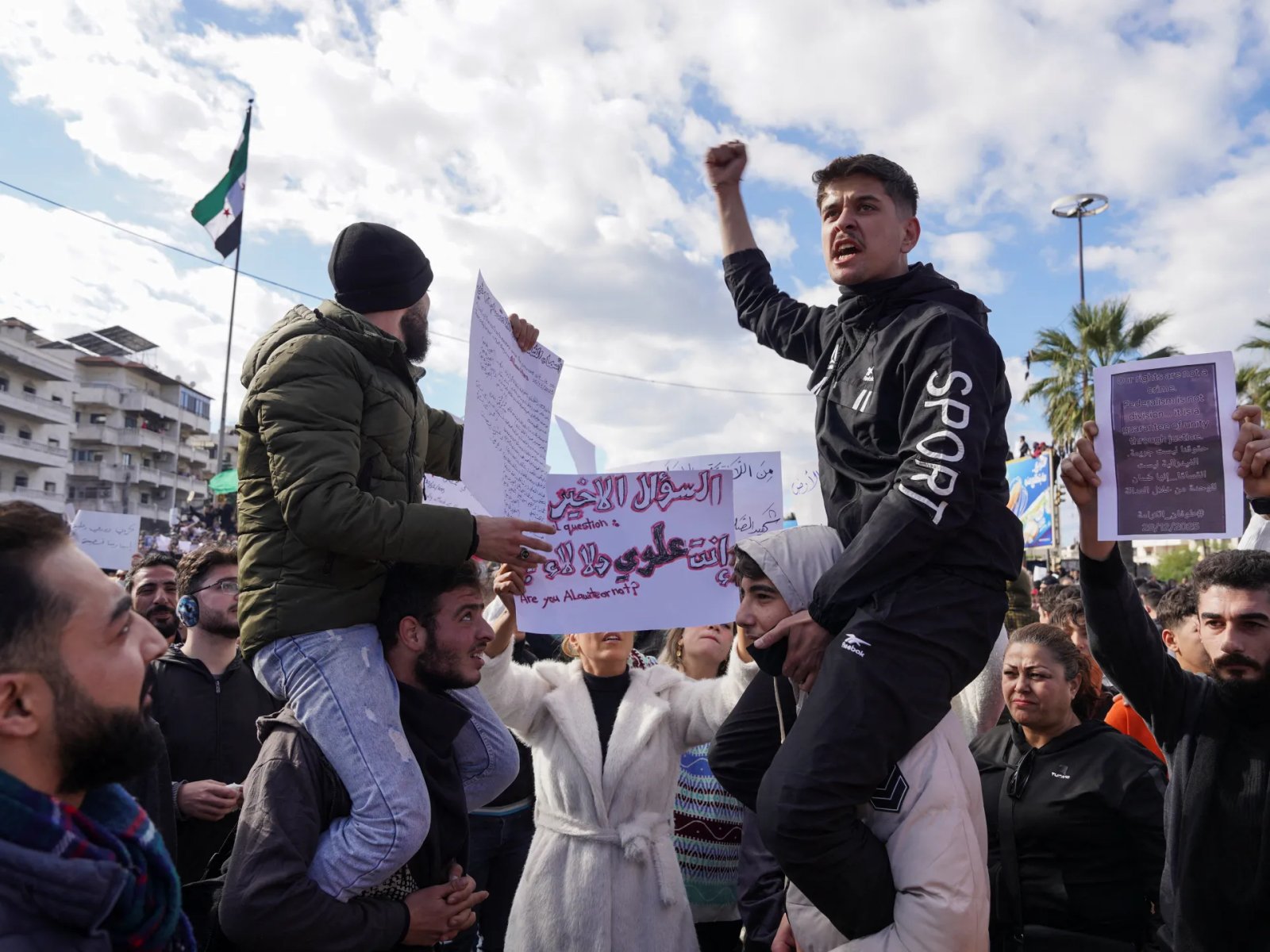
Protests Erupt in Syria’s Coastal Regions Amid Sectarian Tensions
Recently, protests have surged throughout Syria’s coastal areas, signifying a significant eruption of sectarian conflict since the downfall of Bashar al-Assad’s regime a year ago. Over the weekend, demonstrators took to the streets, leading to violent confrontations with security forces and attacks on police stations, all underscoring the growing unrest within this turbulent nation.
Understanding the Protests
What Sparked the Unrest?
The catalyst for these protests was the tragic bombing of the Imam Ali bin Abi Talib Mosque in Homs during Friday prayers, which claimed at least eight lives. Responsibility for the attack has been attributed to a little-known group, Saraya Ansar al-Sunna, that stated the bombing primarily targeted members of the Alawite sect. The Syrian security landscape has long been dominated by Alawites, making this incident a painful reminder of the ongoing sectarian strife.
Who’s Organizing the Demonstrations?
The protests were spurred by calls from Ghazal Ghazal, an Alawite religious leader residing outside Syria. He leads the Supreme Alawite Islamic Council in Syria and Abroad and advocated for political federalism, emphasizing the need for the Alawite community to shape its own future. “We want to determine our own destiny,” Ghazal asserted in a video message, highlighting the community’s desire for both political reforms and increased security protections. As tensions escalated, clashes erupted between Alawite protesters and counter-demonstrators supporting the interim government.
Casualties and the Response
Amidst the chaos, official reports indicate that at least four people lost their lives, with more than 100 injured due to violence in locations like Latakia. Injuries included stabbings and gunfire targeting both security personnel and civilians. Despite the escalating unrest, the Ministry of Defence announced the deployment of army units to restore order in besieged coastal cities following attacks by so-called “outlaw groups.”
Who Are the Alawites?
The Alawites, constituting approximately 10% of Syria’s 23 million population, hold a unique position in the country’s sociopolitical landscape. Historically, they have been politically dominant, particularly during al-Assad’s rule starting in 2000. However, the sect has recently faced significant challenges, including accusations of discrimination and violence targeting their communities since the regime’s fall.
Sectarian violence has surged across Syria, with numerous incidents reported in coastal cities within the past year. Alawite civilians have often been the targets of these attacks, leading to widespread fear and distrust within the community.
Can the Government Maintain Stability?
Syrian interim President Ahmed al-Sharaa has voiced the importance of fostering national unity and internal peace. Yet, experts highlight that the persistent sectarian divides and the central government’s limited authority have ignited calls for decentralized governance among minority groups. The Alawite community, along with others such as the Druze, express concerns over the government’s genuine commitment to their welfare.
As tensions simmer, the potential for conflict remains. A leading scholar in international security outlines two possible paths ahead: a positive agreement between the Syrian government and the Kurdish-led Syrian Democratic Forces towards integration, or the risk of deepening ethnic divides should violence persist. In either scenario, the nation stands at a precarious crossroads.
Conclusion
The ongoing protests in Syria’s coastal regions reflect the deep-seated sectarian divisions and the challenges faced in establishing a unified government post-Assad. As the situation unfolds, the government’s ability to navigate these tensions will be crucial in determining the future of Syria.
Key Takeaways
- Protests have erupted in Syria’s coastal regions, driven by recent sectarian violence.
- The Imam Ali bin Abi Talib Mosque bombing was a catalyst for the ongoing unrest.
- Ghazal Ghazal leads the protests, calling for political reforms and security for the Alawite community.
- The Syrian government faces significant challenges in maintaining stability amid growing sectarian tensions.