

Strengthening Ties: U.S. Meets Venezuela on Oil and Minerals
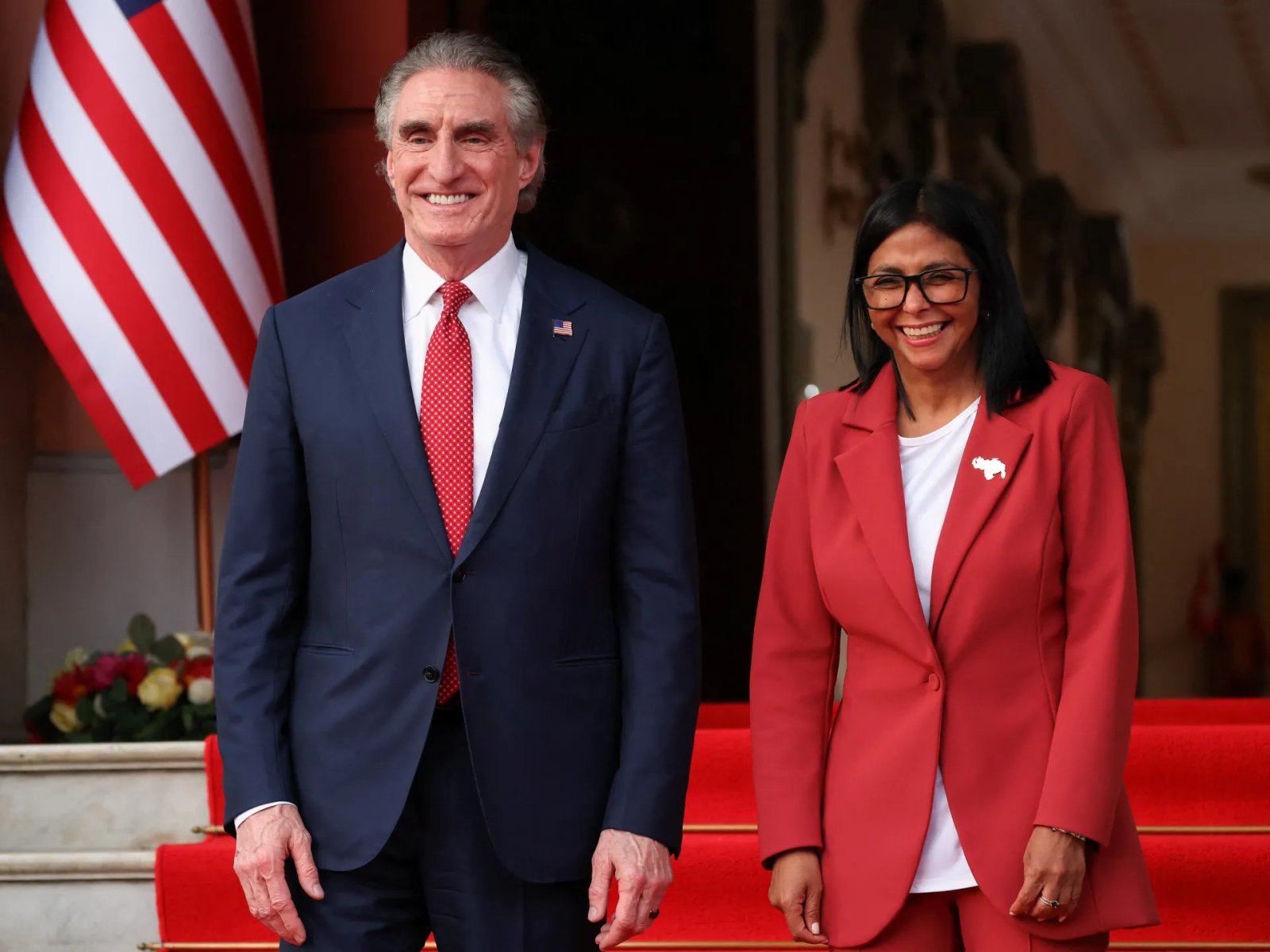
In a notable move to enhance oil and mineral production in Venezuela, U.S. Secretary of the Interior Doug Burgum met with the interim President of Venezuela, Delcy Rodriguez, in Caracas. This meeting is a critical aspect of U.S. President Donald Trump’s strategy to foster economic collaboration between the two nations.
Announcing New Reforms
During their discussions, Burgum revealed that Rodriguez plans to present a proposal aimed at reforming the country’s mining laws to the Venezuelan legislature in the coming days. This initiative is seen as a stepping stone towards improving the regulatory landscape for mining activities in Venezuela.
Economics and Opportunities
Burgum conveyed a sense of optimism about the potential for economic relations between the U.S. and Venezuela, stating, “The opportunities for collaboration and synergy between our two great countries are unlimited.” He highlighted that his two-day trip included representatives from nearly a dozen companies eager to invest in Venezuela’s oil and mineral sectors, expressing their readiness to overcome bureaucratic obstacles.
Historical Context of Relationships
The growing economic connections come against the backdrop of a controversial military operation that occurred earlier in January, which targeted former Venezuelan leader Nicolas Maduro. This operation has been criticized globally as a breach of Venezuelan sovereignty, with experts labeling it a significant violation of international law.
Since that incident, the Trump administration has sought to facilitate increased access for private enterprises to Venezuela’s wealth of natural resources, some of which were previously nationalized. Trump has even suggested that the U.S. holds a claim over Venezuelan oil due to America’s early exploration efforts, describing the nationalization in Venezuela as “the greatest theft in the history of America.”
The Riches of Venezuela
Venezuela is home to one of the largest oil reserves in the world, along with vast deposits of gold, copper, diamonds, and other vital minerals. Burgum reaffirmed this on Wednesday, stating, “Venezuela is a rich, rich country filled with both oil and gas resources, but also rich in critical minerals.”
Criticism and Concerns
However, some critics argue that the U.S. is capitalizing on Venezuela’s resources for its own benefit. Under international law, every country retains sovereignty over its natural wealth, and any infringement on this principle is viewed as an affront to the right to self-determination.
There are also concerns regarding the pressures facing Rodriguez’s administration, which some believe are fueled by Trump’s direct threats. For instance, in a January interview, Trump cautioned that Rodriguez must adhere to his demands, or else she would face significant consequences.
In late January, Rodriguez enacted a law aimed at enhancing private investment in Venezuela’s oil sector, addressing one of Trump’s key requests. Furthermore, the Venezuelan government has transferred at least 50 million barrels of oil to the U.S. for sale, with Trump overseeing the distribution of the profits.
A Focus on Fossil Fuels
Trump’s stance on fossil fuels is well-known. He has dismissed climate change as a “hoax” and has praised Rodriguez for her cooperation, endorsing her administration as a model for others, including Iran. In a recent social media post, he remarked, “Delcy Rodriguez, who is the President of Venezuela, is doing a great job, and working with U.S. Representatives very well.”
The Path Ahead
Burgum’s visit was characterized by the U.S. diplomatic mission in Venezuela as a “vital and historic step” towards a detailed plan to mutually benefit both nations. Their future collaboration aims to cultivate a legitimate mining sector and ensure safe supply chains for critical minerals.
Due to the difficult economic conditions in Venezuela, an informal mining sector has emerged, often lacking necessary regulations and oversight, which can lead to hazardous working environments. For example, a mine collapse last October resulted in the tragic loss of 14 lives due to heavy rainfall.
Conclusion
As the U.S. and Venezuela continue to explore their relationship, the focus remains on resource development and economic collaboration. While opportunities abound, it is essential to ensure that these partnerships are founded on respect for sovereignty and human rights.
- Burgum’s meeting with Venezuelan interim President Delcy Rodriguez could reshape oil and mineral policies.
- Proposed reforms aim to enhance the mining laws in Venezuela.
- Concerns persist over the implications of U.S. involvement in Venezuela’s resources.
- Future collaboration focuses on developing legitimate mining sectors and ensuring safe practices.