

Judge Denies Request to Halt Immigration Crackdown in Minnesota
A judge in the United States has ruled against a request from Minnesota officials to pause the Trump administration’s controversial immigration enforcement actions, which have led to widespread protests following fatal incidents involving federal agents. This ruling coincides with ongoing demonstrations over the use of force in immigrant apprehensions and allegations of racial profiling.
Judge’s Ruling
US District Judge Kate Menendez issued her decision on Saturday, rejecting a preliminary injunction requested by state Attorney General Keith Ellison alongside the mayors of Minneapolis and Saint Paul. Although she acknowledged the serious impact of federal immigration tactics on the Minnesota community, including tragic consequences from shootings and claims of racial bias, the judge concluded that the overall balance of harms did not favor imposing an injunction.
The lawsuit aims to curtail or stop a Department of Homeland Security operation that has deployed numerous immigration agents in the Twin Cities region, igniting public outrage and leading to the deaths of two residents at the hands of federal authorities.
Recent Incidents Spark Outrage
The climate of tension escalated following the January 7 shooting of Minneapolis resident Renee Nicole Good by an Immigration and Customs Enforcement (ICE) agent. This was followed by the death of 37-year-old nurse Alex Pretti on January 24, further fueling public anger and demands for accountability from federal officials.
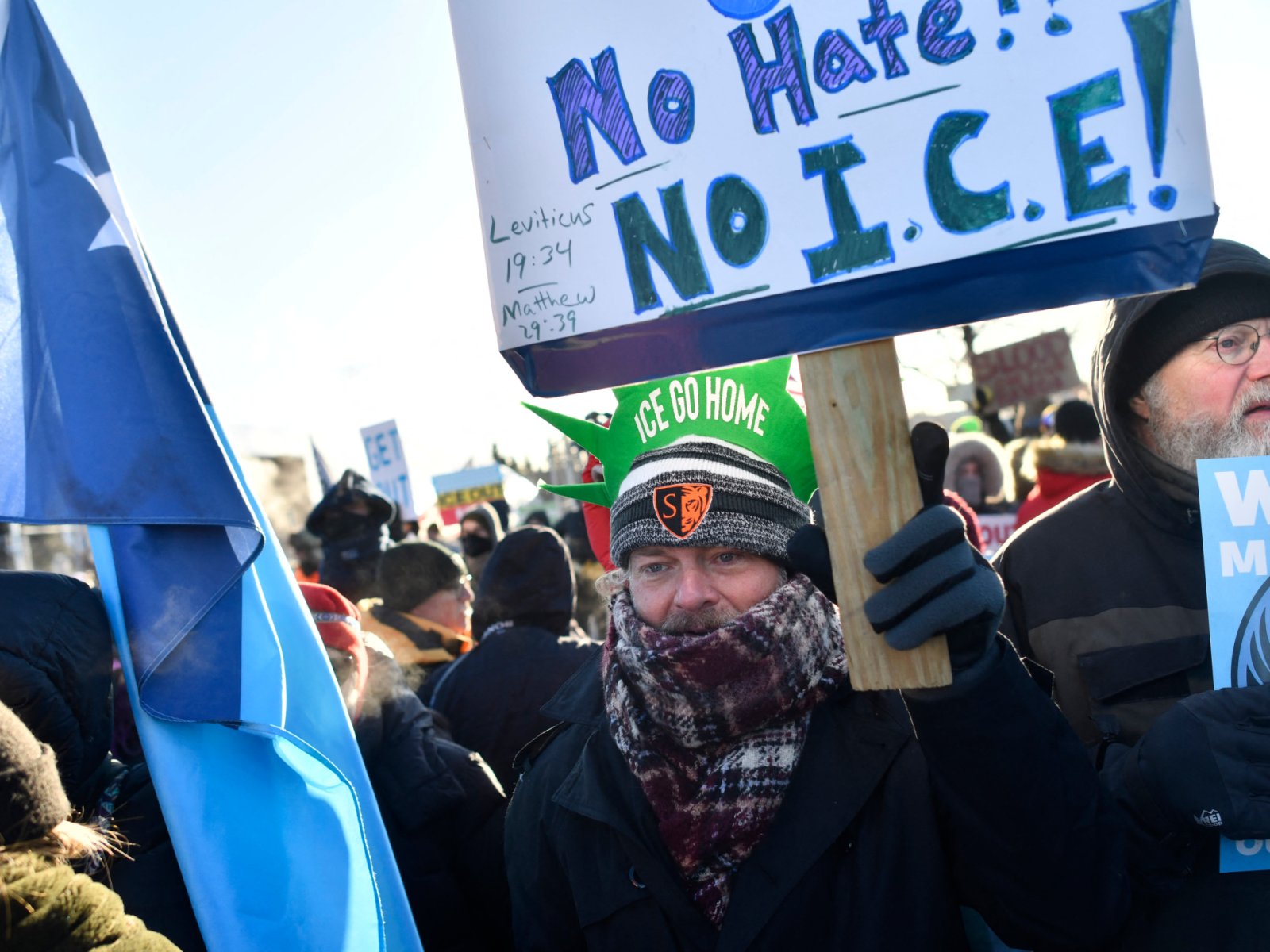
In response to these fatalities, Tom Homan, identified as Trump’s “border czar,” assured the media that the administration was striving to make immigration enforcement “safer, more efficient, and compliant with regulations.” However, these assurances have not quelled the protests, with thousands taking to the streets of Minneapolis during nationwide demonstrations against federal immigration policies.
Community Response
Cheniqua Johnson, a city councillor, passionately addressed the situation at a rally in Saint Paul, stating, “It feels more like the federal government is here to [lay] siege [to] Minnesota than to protect us.” She shared concerns from residents who report feeling unsafe even while performing daily tasks like grocery shopping, noting, “I’m receiving calls from community members struggling to do basic things.”
Johnson highlighted the determination of demonstrators, saying, “That’s why you’re seeing folks willing to stand in Minnesota, even in frigid weather, thousands marching in opposition to the injustice we are facing with law and order disregarded.”
Claims of Racial Profiling
The lawsuit filed by Minnesota authorities argues that the escalated immigration enforcement represents retaliation stemming from previous attempts by the federal government to withhold funding in a bid to compel local cooperation. Officials claim that the increased federal presence has become an unconstitutional burden on local resources, leading to the closure of schools and businesses.
Attorney General Ellison has publicly accused federal officers of racial profiling and unlawfully detaining lawful residents for excessive periods, instilling fear through aggressive tactics. This stance contrasts sharply with the Trump administration’s narrative that the operation aims to enforce immigration laws as part of a broader push for significant deportation efforts.
In her ruling, Judge Menendez emphasized that her decision was not a verdict on the broader case but rather focused on the immediate injunction request, leaving open the possibility of future evaluations regarding the legality of the federal operations.
Following the ruling, US Attorney General Pam Bondi heralded the decision as a major victory for the Department of Justice, asserting that neither sanctuary measures nor legal challenges would impede the administration’s enforcement of immigration laws in Minnesota.
Conversely, Minneapolis Mayor Jacob Frey expressed disappointment with the decision, asserting, “This ruling does not change the fear and disruption caused by a federal operation that has no place in Minneapolis.” He described the ongoing immigration enforcement as an invasion that needed to end.
- A judge denies a request to halt the Trump administration’s immigration enforcement in Minnesota.
- The ruling follows protests over the deaths of residents during federal operations.
- Accusations of racial profiling and community fear have surfaced amid the crackdown.
- Local officials continue to challenge the legality and impact of federal immigration actions.