

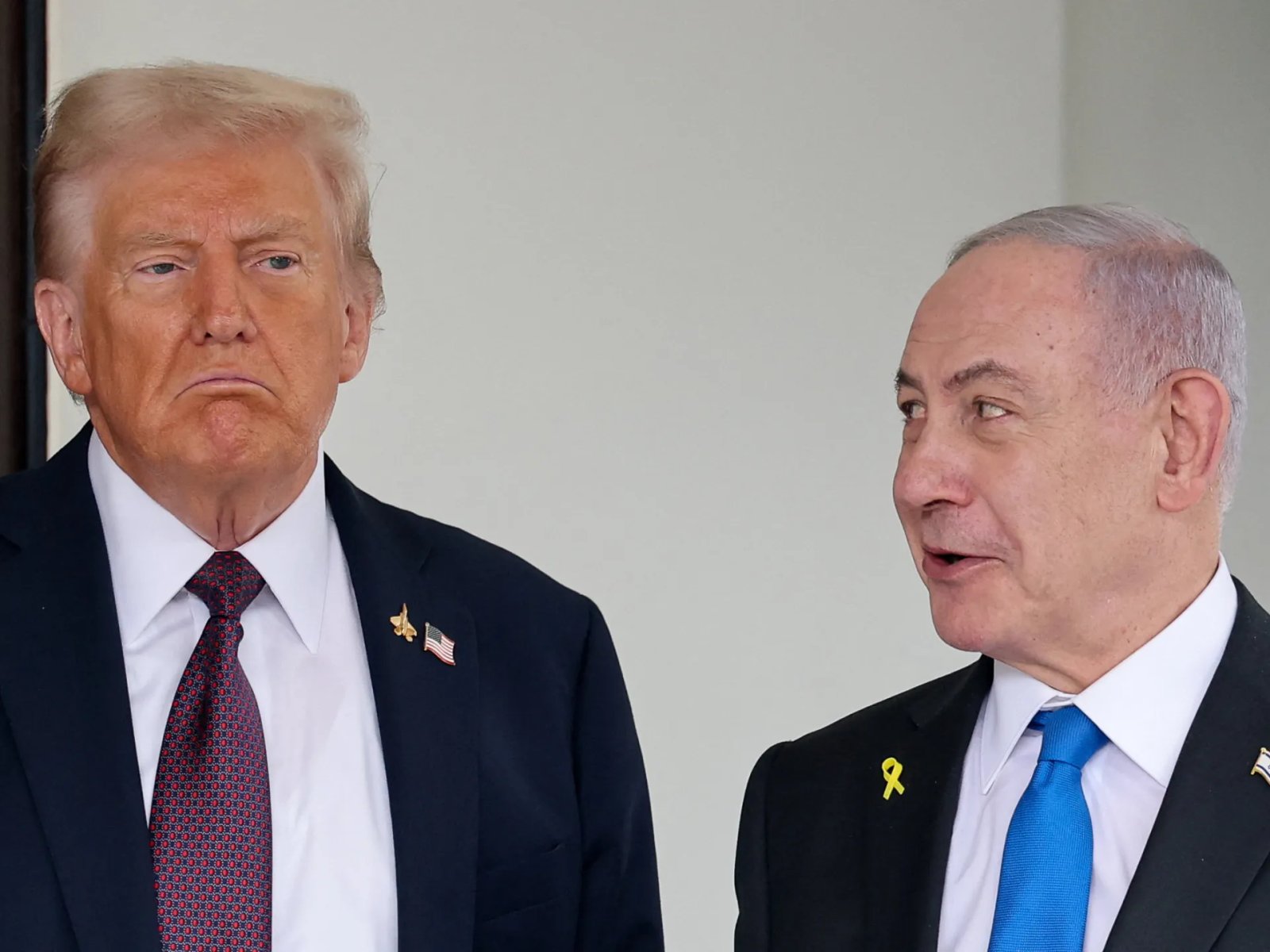
Netanyahu’s US Visit: Shaping the Future of Israel-US Relations Amid Regional Tensions
Israeli Prime Minister Benjamin Netanyahu is set to travel to the United States to meet President Donald Trump at a critical juncture marked by escalating regional unrest. This visit comes against the backdrop of Israel’s military actions in Palestine, Lebanon, and Syria, coupled with increasing tensions with Iran. The discussions at Mar-a-Lago in Florida on Monday aim to address these pressing issues while seeking to establish a framework for a Gaza truce.
The Significance of Netanyahu’s Visit
Netanyahu’s upcoming meeting with Trump is significant as it aligns with the U.S. efforts to implement a comprehensive “peace plan” involving a 20-point framework, despite ongoing Israeli violations of the current ceasefire in Gaza. The Israeli government’s continued military operations in the occupied West Bank and neighboring countries, along with speculation about a potential conflict with Iran, adds complexity to their discussions.
Arrival and Meeting Details
Netanyahu is scheduled to arrive in the U.S. on Sunday, and the highly anticipated talks with Trump will take place on Monday at the president’s holiday residence rather than at the White House. This marks Netanyahu’s fifth visit to the United States in just ten months, underscoring the strong, albeit sometimes rocky, relationship between the two leaders.
A History of Visits: Netanyahu and Trump
This visit marks a continuation of Netanyahu’s unique rapport with Trump; he has been hosted by the President more frequently than any other global leader. Their relationship has seen its ups and downs, particularly highlighted during Trump’s first term when several pro-Israel policies were enacted, including the relocation of the U.S. embassy to Jerusalem and recognition of Israeli sovereignty over the Golan Heights.
Ever-Changing Dynamics in U.S.-Israel Relations
While Trump has often been portrayed as Israel’s staunch ally, their partnership is not devoid of tension. Differences have emerged over various regional issues, including the management of the Gaza conflict and Israeli military operations against Syria. Netanyahu is expected to leverage the meeting to reinforce their alliance and affirm to his critics in Israel that he retains significant backing from the U.S.
Netanyahu’s Approach Post-October 7, 2023
Since the outbreak of intensified violence in Gaza, Netanyahu has sought extensive U.S. support for Israel’s military actions. After a series of Hamas attacks, President Biden reaffirmed U.S. support for Israel, characterizing it as crucial to American national security. The solidarity demonstrated during Biden’s visit to Israel has aided in securing sustained military aid from the U.S., amounting to more than $21 billion over the past two years.
Current Status of the Gaza Truce
With the ongoing Gaza truce negotiations, Secretary of State Marco Rubio emphasized the administration’s priority to move beyond simply halting hostilities to establishing a sustainable governance framework in the region. However, Israel’s regular violations of the ceasefire raise concerns about the future of these talks. Both Netanyahu and Trump will likely address the urgent need for a stable resolution during their discussions.
Current Focus: Syria and Iran
As tensions with Iran resurface, Netanyahu is expected to discuss Iran’s missile capabilities and the potential for strikes against Iranian positions. The changing landscape of U.S.-Iran relations further complicates Israel’s strategic calculations, with Trump’s administration seen as favoring military cooperation with Israel.
Examining the US-Israel Alliance
Despite increasing dissent in U.S. political circles regarding unconditional support for Israel, Trump’s backing remains steadfast. Recent military funding allocated to Israel reflects this unwavering commitment. However, the gap between U.S. strategic priorities and Israel’s aggressive policies is widening, posing future challenges for the alliance.
What Lies Ahead for the US-Israel Relationship?
The evolving landscape of public opinion in the U.S., particularly among younger demographics, indicates a potential reckoning for Israel on the political front. As differing views gain traction on both sides of the aisle, the long-term implications for U.S.-Israel relations may lead to significant changes. While the current administration remains committed to Israel, the shifting sentiments in Congress promise to be a focal point for future debates.
- Netanyahu’s visit underscores the urgency of U.S.-Israel relations amid escalating regional tensions.
- The meeting will focus on the Gaza ceasefire, military support, and Iranian threats.
- U.S. interests in the region may diverge from Israel’s aggressive stance, challenging their alliance.
- Shifts in public opinion in the U.S. could reshape future diplomatic dynamics regarding Israel.