

Progress Towards Peace in Ukraine
Recent developments indicate that Washington and Kyiv are moving closer to an agreed-upon framework for concluding the conflict in Ukraine. This comes amid ongoing uncertainties regarding Moscow’s response and several unresolved matters that persist.
A Shift in the Peace Talks
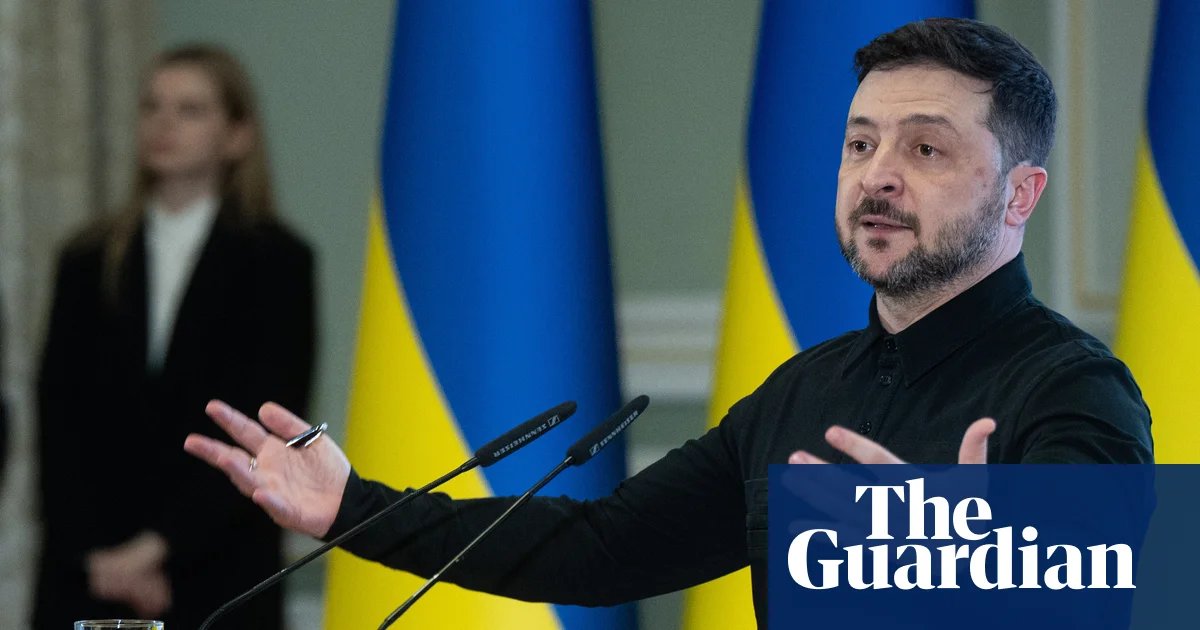
In an update on the negotiations facilitated by the United States, Ukraine’s President, Volodymyr Zelenskyy, has managed to secure significant concessions in the revised peace plan. This evolution is particularly evident following extensive discussions with the American negotiating team. Regardless of whether the proposal receives Moscow’s approval, it represents a notable achievement for Kyiv, especially in redefining an earlier draft that faced criticism for aligning too closely with Russian interests. Zelenskyy has expressed his anticipation that U.S. negotiators will engage with the Kremlin soon.
Key Aspects of the Revised Peace Plan
The newly proposed plan includes Ukraine’s acceptance of a demilitarized zone within its eastern territories, an area that has previously posed challenges in negotiations. This commitment comes with a demand for a reciprocal withdrawal of Russian forces. The details of this proposal have been communicated to Russian President Vladimir Putin through his envoy, Kirill Dmitriev, although a spokesperson for the Kremlin noted that a response from Moscow is still forthcoming.
Russian Response and Expectations
Dmitry Peskov, the Kremlin’s spokesperson, mentioned that Dmitriev had provided Putin with insights from his recent discussions in Miami with Trump’s representatives. While he refrained from divulging specifics regarding Russia’s stance on the proposals or the format of the documents, he stated that the fundamental parameters of Russia’s position are well-known to the U.S. side.
Ukraine’s Potential Concessions
In the complicated landscape of the negotiations, Ukraine may have to agree to several challenging concessions, including the withdrawal of certain Ukrainian forces from areas under its control in the east. Additionally, Ukraine might have to abandon its longstanding aspiration for NATO membership in exchange for security guarantees from the U.S. and its European allies that echo NATO’s Article 5.
Details of the Proposal
This latest plan also outlines the withdrawal of Russian troops from several key regions, including Dnipropetrovsk, Mykolaiv, Sumy, and Kharkiv. To ensure compliance, international forces would be dispatched to monitor the situation along the contact line.
Zelenskyy’s Position and Strategy
Zelenskyy shared the details of the plan during an extensive two-hour press briefing, underscoring how these proposals could potentially place Ukraine in a more favorable position. He highlighted the risk faced by Moscow regarding heightened U.S. military support and the possibility of escalated sanctions should Putin reject the proposed plan.
“Moscow cannot claim to President Trump that it opposes a peaceful resolution. If they obstruct progress, President Trump may need to significantly increase arms supplies to us while enforcing heavy sanctions against them,” Zelenskyy stated.
Further Implications for Ukraine
As Zelenskyy explained, the agreed-upon line of troop deployments in the Donetsk, Luhansk, Zaporizhzhia, and Kherson regions would effectively serve as the contact line. A working group is expected to convene to discuss the necessary troop redeployment and the parameters for potential future special economic zones.
While this strategy suggests a pathway forward, it also brings up issues Ukraine had previously hesitated to consider, such as troop withdrawals and the establishment of demilitarized zones. “The Russians want us to withdraw from the Donetsk region, and the Americans are seeking a compromise,” Zelenskyy explained.
The Path Ahead
Any plan involving the withdrawal of Ukrainian troops will require a referendum in Ukraine, according to Zelenskyy. “Discussions on a free economic zone necessitate public approval,” he noted, alluding to areas that would transition to a demilitarized free-trade zone.
On NATO, Zelenskyy remarked: “The decision to include Ukraine rests with NATO members. While we have made our choice, we are moving away from the proposed constitutional amendments that would bar NATO membership.”
Outstanding Challenges
Despite these discussions, the Kremlin’s demands remain firm, particularly regarding its desire for full control of Donetsk. This makes it uncertain whether Russia would accept the suggested buffer zone or troop withdrawals. Other significant issues persist, such as the governance of the Zaporizhzhia nuclear facility, which Ukraine insists should be jointly managed with the U.S.
Conclusion
The recent progress in peace talks underscores the intricate negotiations that lie ahead for Ukraine and its partners. As the situation continues to evolve, Kyiv’s position and strategy will be crucial in shaping the outcome.
Key Takeaways
- Ukraine is moving toward a revised peace plan with significant concessions.
- A demilitarized zone is part of the current negotiations, contingent on reciprocal Russian troop withdrawal.
- Any troop withdrawal will require public approval through a referendum in Ukraine.
- The Kremlin’s long-held demands, such as control over Donetsk, continue to complicate the negotiation process.