

US-Russia Negotiations on Ukraine: Recent Developments and Zelenskyy’s Call for Action
Negotiators from Russia and the United States recently convened in Miami, amidst ongoing calls from Ukrainian President Volodymyr Zelenskyy for Washington to increase pressure on Moscow to bring an end to the conflict in Ukraine. This meeting featured discussions between Russian President Vladimir Putin’s special envoy, Kirill Dmitriev, and US President Donald Trump’s special representatives, Steve Witkoff and Jared Kushner.
Constructive Talks in Miami
Dmitriev remarked to reporters that the discussions were progressing positively and would continue into the next day. “The discussions are proceeding constructively. They began earlier and will continue today, and will also continue tomorrow,” he stated.
US Officials Weigh In
Prior to the meeting, US Secretary of State Marco Rubio suggested he might also participate. He shared that while advancements have been made in the negotiations to resolve the war, a significant amount of work remains. “The role we’re trying to play is figuring out if there’s any overlap they can agree to, which is what we’re investing time and energy in,” Rubio explained. He expressed hope for a resolution by the end of the month.
Negotiation Progress and Challenges
The US delegation has been engaged in formulating a 20-point peace plan in collaboration with Ukrainian, Russian, and European officials. Although US representatives have noted some progress, considerable disagreements persist, particularly regarding territorial concessions and security guarantees that Kyiv deems critical for any potential accord.
Russia has shown little willingness to relinquish its extensive territorial aspirations in Ukraine, believing it holds a favorable position as the war continues and fractures appear among Ukraine’s European allies.
Zelenskyy’s Perspective on Diplomacy
In Kyiv, Zelenskyy reaffirmed his support for a US-led negotiations process but emphasized the necessity for increased pressure on Russia. “America must clearly say, if not diplomacy, then there will be full pressure… Putin does not yet feel the kind of pressure that should exist,” he stated.
Moreover, Zelenskyy discussed a proposed new format for dialogue involving national security advisers from Ukraine, Russia, and the US. Despite his skepticism about the potential for innovation in the talks, he expressed support for trilateral discussions if they could yield progress on issues like prisoner exchanges or leadership meetings. “If such a meeting could be held now to allow for swaps of prisoners of war… I cannot be opposed. We would support such a US proposal. Let’s see how things go,” he commented.
Previous Talks and Current Hostilities
The last formal direct discussions between Ukrainian and Russian representatives took place in July in Istanbul, resulting in some prisoner swaps but little else. The Miami meeting follows Putin’s commitment to continue military operations in Ukraine, celebrating military achievements during an annual press conference. He also alluded to a possible pause in strikes to facilitate Ukraine’s presidential election, an idea that Zelenskyy dismissed.
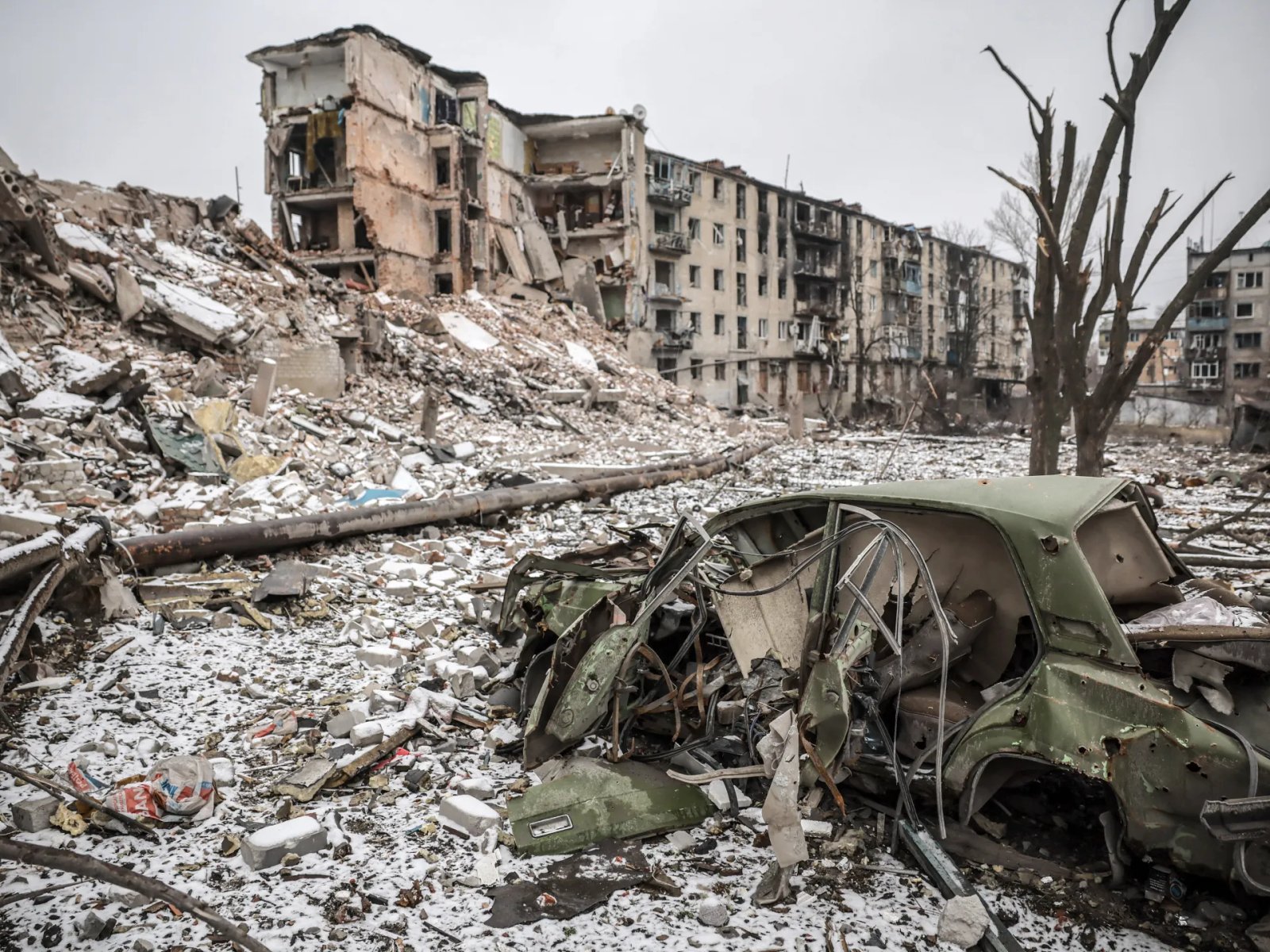
Meanwhile, the situation in Ukraine remains dire following a recent Russian missile attack on the Black Sea Odesa region, which has led to the deaths of eight individuals and injuries to 30 others. The attack struck a civilian bus, according to Ukrainian Prime Minister Yulia Svyrydenko. Russian strikes on the coastal region have caused significant disruption, damaging infrastructure and leaving thousands without electricity and heating amid freezing conditions.
In retaliation for attacks on its oil tankers, Moscow has indicated it will escalate strikes on Ukrainian ports. On the same day, Ukraine reported the destruction of two Russian fighter jets in Crimea and an attack on a Russian oil rig and patrol ship in the Caspian Sea.
Understanding the Context of the Conflict
Putin has characterized Russia’s full-scale invasion of Ukraine as a “special military operation,” aimed at “demilitarizing” Ukraine and halting NATO’s expansion. In contrast, Kyiv and its European partners view the conflict, the largest and deadliest in Europe since World War II, as an unprovoked aggression leading to widespread violence and devastation.
Conclusion
The discussions between US and Russian negotiators highlight the complexities of the ongoing conflict in Ukraine. As both sides engage in dialogue, the need for a comprehensive approach combining diplomacy with concrete pressure on Russia remains critical. The world watches closely as efforts continue towards a resolution to this significant geopolitical crisis.
- US and Russian negotiators met in Miami to discuss the ongoing war in Ukraine.
- Zelenskyy advocates for increased pressure on Russia alongside diplomatic efforts.
- Major differences still exist regarding territorial and security guarantees.
- The conflict has resulted in significant humanitarian and infrastructural challenges in Ukraine.