

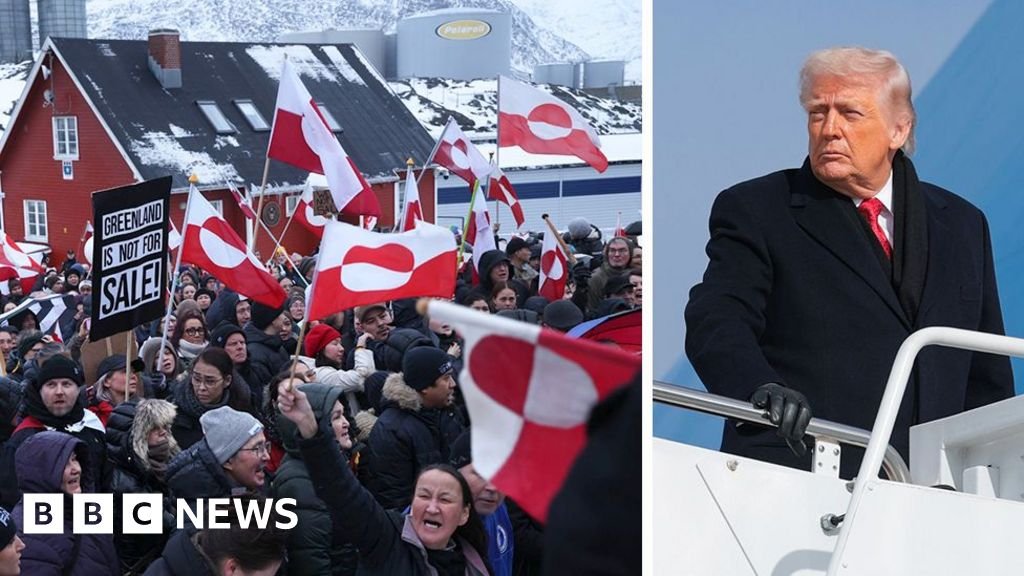
The Recent Tensions Surrounding Greenland and NATO
This month has been filled with surprising events concerning Greenland, particularly in light of recent military developments in Venezuela. With a surge in confidence, Donald Trump shifted his attention to Greenland, making headlines with bold claims about ownership, warnings of military action, and imposing tariffs on key European allies. However, just as quickly as this crisis escalated, it seems to have calmed down, thanks to the strategic interventions of NATO leaders.
The Build-Up to Tensions
The stirring events began following a notable military operation in Venezuela. Trump, buoyed by this success, began to express strong sentiments regarding Greenland. His rhetoric escalated, bringing attention to potential conflicts and ramping up tensions with traditional allies.
A Diplomatic Solution
However, a significant turning point occurred thanks to NATO Secretary General Mark Rutte, who managed to temper Trump’s fierce approach. During a recent visit by the foreign ministers of Denmark and Greenland to Washington, an agreement was reached to establish a “working group” that would explore Greenland’s future.
The Role of NATO
This agreement may have mitigated the growing concerns over the stability of the North Atlantic alliance. Denmark has historically been open to increasing American military presence in Greenland, and it seems that NATO’s commitment to bolster its position around the island is designed to address Trump’s worries about attention being paid to Greenland.
Potential Military Collaborations
While exact details remain under wraps, speculation suggests that discussions have included proposals for Denmark to relinquish control over select areas in Greenland for U.S. military installations. This would mirror the agreements the UK has with Cyprus regarding its sovereign bases.
Trump has hinted that these arrangements could involve American access to Greenland’s mineral resources. However, both Denmark and NATO have yet to validate any specific claims surrounding these discussions or their implications.
Arctic Security Focus
NATO indicated that any future discussions would prioritize Arctic security, especially among the seven Arctic Allies: the U.S., Canada, Denmark, Norway, Sweden, Finland, and Iceland. The goal is to thwart any unwanted economic or military advances from Russia and China in the region.
The Aftermath of the Crisis
While negotiations continue, the memories of this intense fortnight will linger, particularly the global response to Trump’s turbulent maneuvers. Canadian Prime Minister Mark Carney referred to the situation as a “rupture,” suggesting that the previous stable order may be irreparably altered. Furthermore, EU Commission President Ursula von der Leyen noted that we are witnessing “seismic change,” advocating for greater European autonomy.
Looking Forward
The path ahead remains uncertain, and a swift return to the status quo seems unlikely as the political landscape shifts. The events surrounding Greenland have ignited discussions about alliances, security, and international strategy in a rapidly changing world.
Conclusion
The recent tensions surrounding Greenland and NATO underscore the complexities of international relations in the Arctic region. As the world watches closely, the outcome of these discussions could reshape alliances and influence global dynamics. The unfolding narrative is a poignant reminder of the delicate balance of power on the world stage.
- This month saw heightened rhetoric from Trump regarding Greenland and its strategic importance.
- NATO leaders, particularly Mark Rutte, played a crucial role in calming the situation.
- Discussions may involve U.S. military presence in Greenland, reminiscent of the UK’s arrangements with Cyprus.
- The evolving political landscape signals major shifts in international relations and security strategies in the Arctic.