

Understanding the Impact of Recent US Strikes in Nigeria
The recent military strikes carried out by the United States against suspected ISIL (ISIS) locations in northwest Nigeria have been framed in Washington as a significant counter-terrorism move. Supporters of President Donald Trump perceive this operation as a vital step towards reaffirming America’s commitment to combating terrorism. Furthermore, it aligns with Trump’s promise to address what he describes as a “Christian genocide” in Nigeria. However, a closer examination reveals a more complex and troubling reality: such bombing campaigns are unlikely to enhance Nigeria’s security or assist in stabilizing this conflict-ridden nation. In fact, these strikes pose the risk of distorting the true nature of the underlying crisis that fuels violence in the region.
Analyzing the Strategic Logic Behind the Strikes
One of the key issues surrounding these strikes is the apparent lack of strategic reasoning. The initial attacks took place in Sokoto, an area in northwest Nigeria that has endured considerable chaos over the last decade. However, this violence is not predominantly driven by an ideological insurgency connected to ISIL; rather, it arises from factors such as banditry, the decline of rural economies, and conflicts over land. The armed factions in this region are fragmented and largely motivated by financial gain rather than ideological commitments.
Who Are the Real Players?
The recent bombings appear to target a comparatively newer armed group known as Lakurawa, although its exact connection to ISIL remains uncertain. In northern Nigeria, the most influential ideological groups are Boko Haram and the ISIL affiliate known as the West Africa Province (ISWAP). Their primary activities are concentrated many kilometers away from Sokoto in the northeastern states of Borno, Yobe, and Adamawa, which have a lengthy history of insurgency. This raises a critical question: Why focus on the northwest initially? The rationale is not clear.
Concerns Over Civilian Casualties and Information Gaps
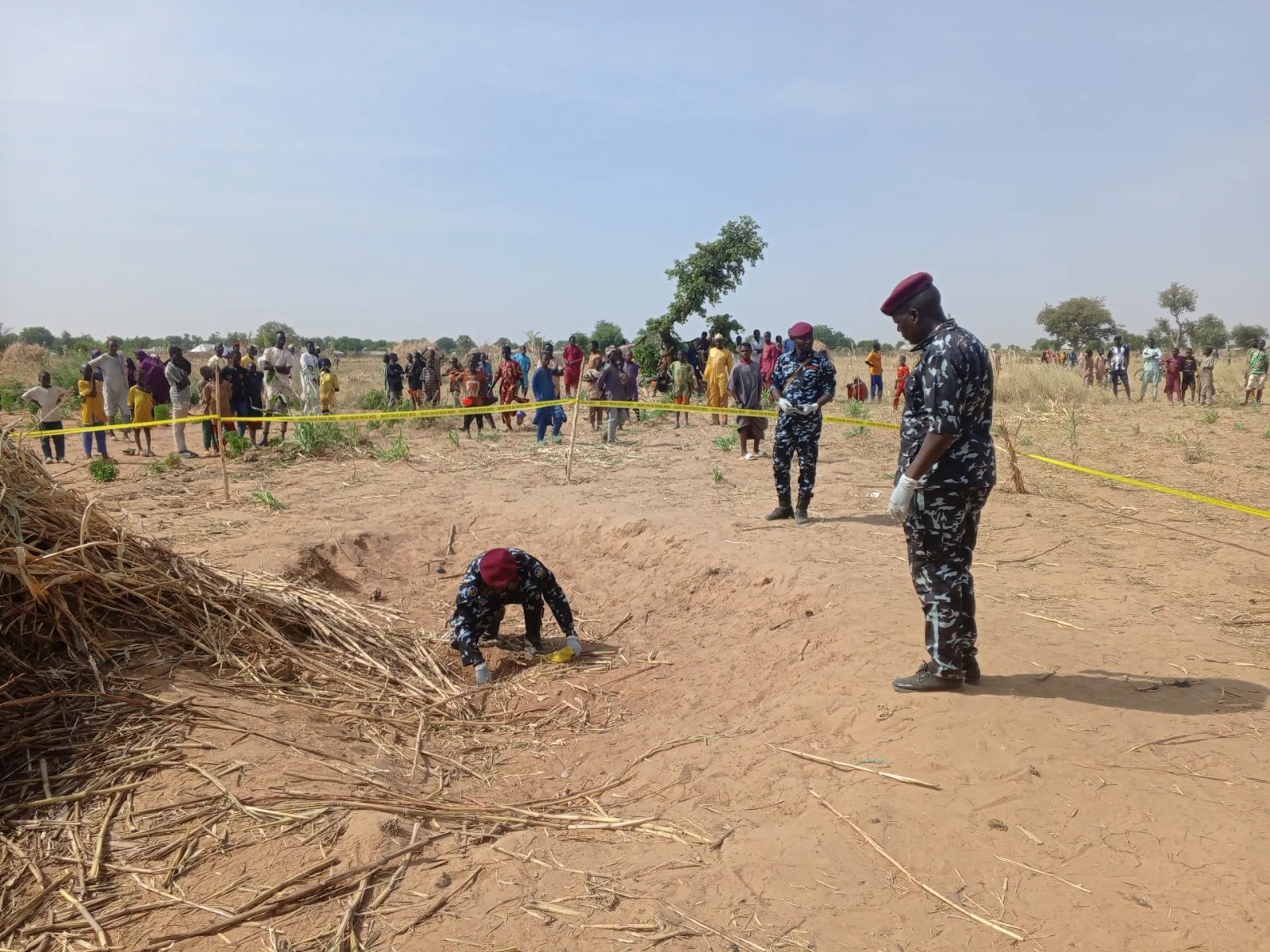
Another serious issue is the ambiguity surrounding any potential casualties resulting from the strikes. Currently, there are no credible figures available. Some social media accounts suggest that there were no human casualties, implying the bombs targeted empty locations. Analyst Brant Philip shared on social media that, according to a private source familiar with the US intervention, several strikes occurred, yet many intended targets were missed and the actual damage remains largely unknown.
Reporting from Arise TV indicated that local sources confirmed widespread panic following the attacks, including one strike in a district that had previously experienced no violence. They also noted that the overall impact, particularly regarding civilian casualties, is still unverified. Images circulating on social media claiming to document civilian injuries have also not been confirmed. In an environment where misinformation frequently spreads hand-in-hand with conflict, the absence of clear casualty data can exacerbate mistrust among local populations already skeptical of foreign military actions.
The Symbolism of the Strikes
The timing of the strikes, coinciding with Christmas Day, carries significant emotional and political weight. For many Muslims in northern Nigeria, this timing could be interpreted as part of a broader Western “crusade” against the Muslim community. Moreover, the choice to strike in Sokoto, a historically significant center for the 19th-century Sokoto Caliphate and a revered hub of Islamic faith, poses a risk of intensifying anti-US sentiment, heightening religious tensions, and providing hardline advocates with new opportunities to exploit grievances. Instead of diminishing ISIL’s influence, such actions might inadvertently bolster recruitment efforts and strengthen narratives of resentment.
A Better Path Forward for Nigeria
So if airstrikes are not the solution to Nigeria’s security challenges, what is? The answer is not found in foreign military intervention. The conflicts in Nigeria are symptoms of deeper governance issues, such as weakened security, corruption, and the state’s absence in rural regions. In the northwest, where banditry is rampant, residents often engage with armed groups not out of support but due to the state’s failure to provide security and basic services. In the northeast, where Boko Haram originated, years of government neglect, harsh security measures, and economic exclusion have created an environment conducive to insurgency.
A sustainable response to security challenges must be multifaceted. It should involve investments in community-oriented policing, dialogue initiatives, and pathways for deradicalization. A proactive state presence is necessary—one that prioritizes protection over punishment. This requires enhancing intelligence gathering, strengthening local governance, and rebuilding trust between citizens and government institutions.
While US strikes can attract media attention and satisfy domestic audiences, they risk doing little more than empowering extremist rhetoric and deepening local resentment in Nigeria. Nigerians do not need foreign powers to bomb their way into security. Instead, they require genuine reforms—localized, long-term support aimed at rebuilding trust, restoring livelihoods, and fortifying state institutions. Anything less is just a distraction.
Conclusion
The recent US military actions in Nigeria, despite being positioned as necessary measures against terrorism, risk misfiring by misinterpreting the region’s complexities. Rather than addressing security issues, these strikes could exacerbate existing tensions and conflicts. For meaningful progress, a focused approach on local empowerment and institution-building is essential.
- The US strikes in Nigeria are perceived as a key counter-terrorism effort.
- Violence in northwest Nigeria is driven by banditry and economic issues, not ISIL insurgencies.
- Concerns persist over the potential civilian impact and transparency surrounding the operations.
- Sustainable security solutions require investment in governance and community-oriented initiatives.