

Reviving Spheres of Influence: U.S. Policy in Latin America
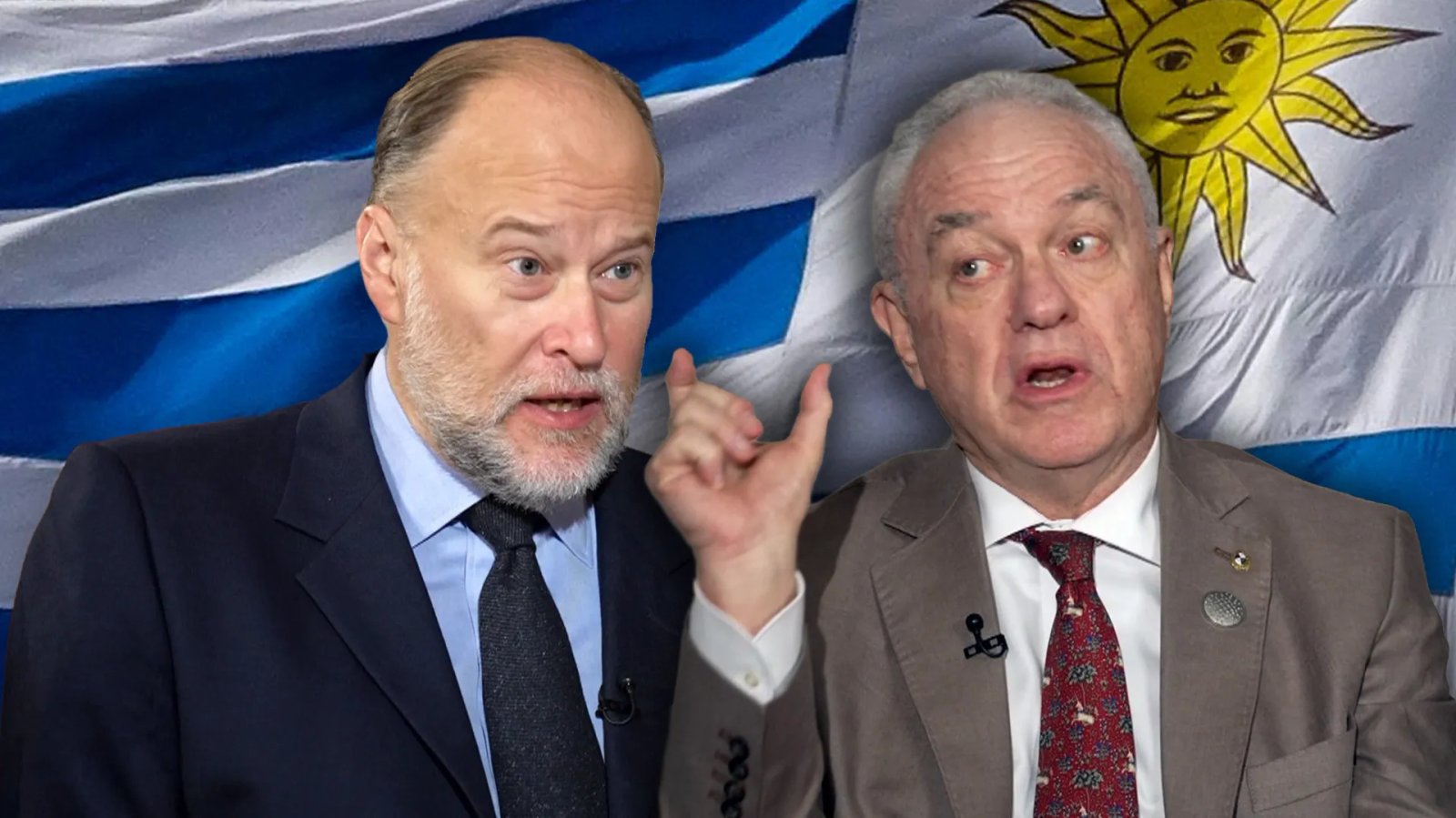
The United States is revisiting a historical doctrine that positions Latin America as its strategic sphere of influence, a policy rooted in the 19th century. As the U.S. ramps up its maritime operations in the Caribbean and eastern Pacific, there are growing concerns about legal implications and potential regional unrest. In this context, Uruguay’s Foreign Minister Mario Lubetkin joins the conversation to shed light on these dynamics, discussing topics such as U.S. military actions, the situation in Venezuela, migration issues, and China’s increasing presence in the area. The critical question remains: Can diplomacy mitigate tensions in a region once again influenced by power struggles?
Understanding the U.S. Sphere-of-Influence Doctrine
The historical context of the U.S. sphere-of-influence doctrine traces back to the 1800s, originally intended to prevent European interference in the Americas. This mindset has resurfaced, suggesting that the U.S. views Latin America as its domain, leading to both military and diplomatic actions to assert its influence.
Recent Developments in Maritime Operations
The expansion of U.S. maritime operations has raised eyebrows not only in Latin America but also globally. Critics argue that this aggressive posturing could result in legal violations and further destabilization of the region.
Concerns Over Legal Violations and Regional Instability
The implications of these operations are significant. Legal experts warn that the increased military presence might contravene international laws, leading to heightened tensions and backlash from Latin American countries.
Venezuela’s Situation and Migration Pressures
Venezuela remains a focal point of concern. The country’s ongoing crises fuel migration pressures across the region, challenging neighboring nations’ resources and policies. Lubetkin discusses how external influences, particularly from the U.S., can either exacerbate or alleviate these issues.
China’s Growing Influence
Amidst these developments, China’s expanding footprint in Latin America further complicates international relations. As the U.S. endeavors to reassert its influence, China is simultaneously solidifying its ties in the region, raising questions about a potential new era of geopolitical competition.
The Role of Diplomacy
Despite the challenges, there is still hope for diplomatic solutions to prevent further escalation. Lubetkin emphasizes the importance of dialogue and cooperation among nations, suggesting that proactive engagement could pave the way for a more stable future.
Conclusion
The revival of the U.S. spheres of influence doctrine in Latin America is a multifaceted issue marked by military strategies, legal concerns, and the influence of global powers. As the region grapples with these challenges, the need for effective diplomacy becomes increasingly vital in managing both regional stability and international relations.
Key Takeaways
- The U.S. is reasserting its strategic sphere of influence in Latin America, reminiscent of 19th-century policies.
- Increased maritime operations raise legal and regional stability concerns.
- Venezuela’s crisis continues to create migration pressures in neighboring countries.
- China’s growing presence complicates the geopolitical landscape in the region.